

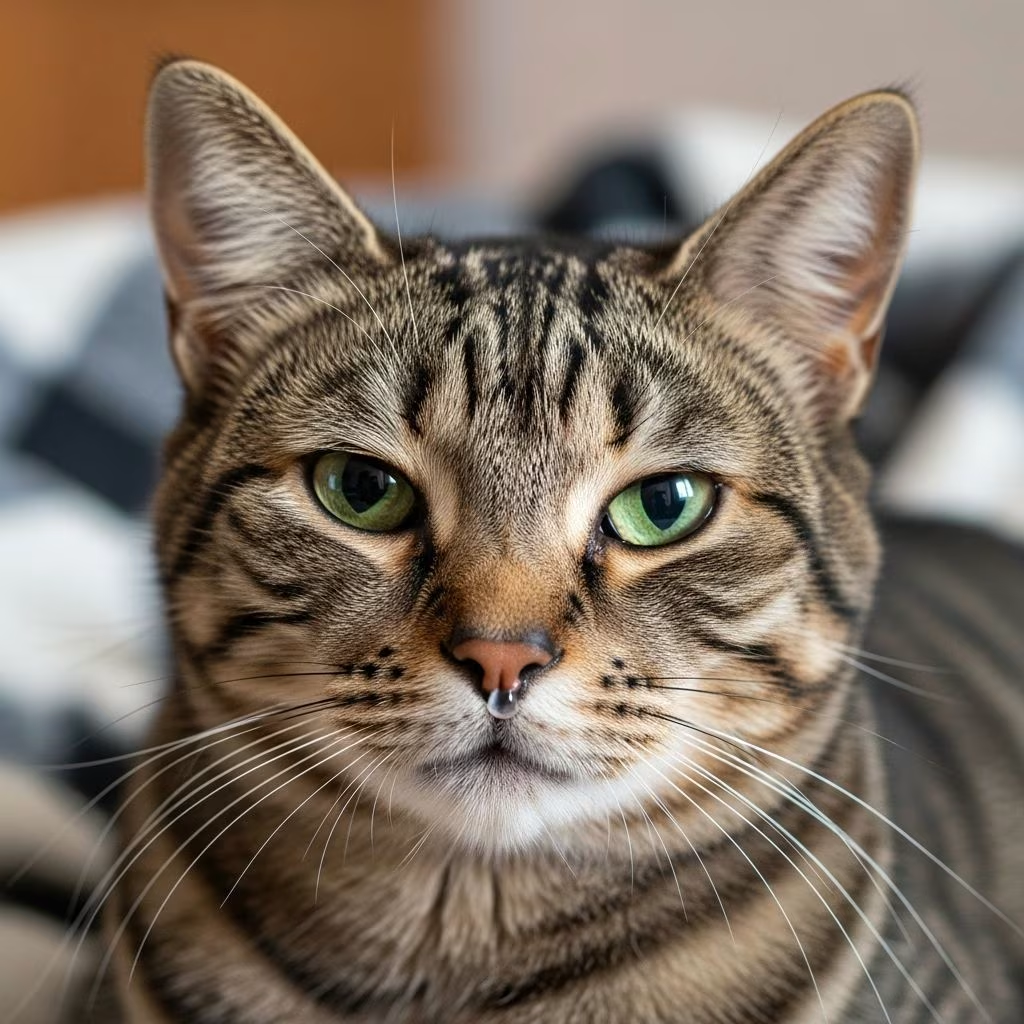
Understanding Cat Colds
Cats, like humans, can catch colds that affect their upper respiratory system. A cat cold is an infection of the upper respiratory tract, typically caused by viruses or bacteria. These infections are common in cats and are characterized by symptoms similar to those experienced by humans with the common cold. Understanding the nature of cat colds, their symptoms, and proper treatment methods is essential for any cat owner to ensure their feline companion recovers quickly and comfortably.
Most cat colds are relatively mild and self-limiting, meaning they resolve on their own within a week or two. However, some cats may develop complications that require veterinary intervention. The key to managing a cat cold effectively is recognizing the symptoms early and providing appropriate supportive care at home.
Cat Cold Symptoms
Recognizing the signs of a cat cold is the first step in providing proper care. Cats with colds may display a variety of symptoms that affect their respiratory system, eyes, and overall behavior:
- Sneezing and sniffling
- Runny nose or nasal discharge
- Watery or discharge from eyes
- Mild fever
- Coughing
- Loss of appetite
- Lethargy and reduced activity
- Increased need for rest and warmth
- Mouth ulcers or sores on the lips, tongue, or nose
- Difficulty breathing in severe cases
For many cats, these symptoms are relatively mild and will resolve on their own within about seven to ten days. However, it’s important to monitor your cat closely during this period. Some cats may experience complications such as secondary bacterial infections or pneumonia, which can extend the recovery period and require professional medical treatment.
Understanding Complications
While most cat colds are straightforward viral infections, complications can arise that warrant veterinary attention. A secondary bacterial infection can develop, causing yellow-green discharge from the eyes or nose and congestion severe enough to affect your cat’s sense of smell and taste, which may reduce their appetite. In more serious cases, pneumonia can develop, characterized by persistent coughing and difficulty breathing that may require hospitalization.
Kittens, elderly cats, and those with compromised immune systems are particularly susceptible to complications. If your cat falls into any of these categories, extra vigilance during a cold is warranted.
How to Treat a Cat With a Cold
Mild cases of cat colds typically don’t require any medical treatment, but there are numerous things you can do at home to help your cat feel better while recovering. These supportive care measures can significantly improve your cat’s comfort and speed up recovery.
Home Care Strategies
Use humidity to ease congestion: Keep your cat with you in the bathroom while you take a hot shower. The humidity can help relieve nasal congestion and make breathing easier. Alternatively, if the air in your home is dry (particularly during winter months), use a humidifier to help relieve airway irritation. A cool-mist humidifier is particularly effective for breaking up mucus and can be placed in your cat’s resting area.
Provide a comfortable recovery space: Reduce your cat’s stress during recovery by keeping her confined to a smaller, quiet room with all of her essentials close by, including a litter box, food, water, and warm bed. Pheromone products can also help create a calming environment that supports the healing process.
Maintain proper nutrition and hydration: Depending on the severity of the disease, affected cats tend to eat and drink less because they have problems with their sense of smell and taste. Offer wet food that has been warmed slightly, as this can make it more appealing and easier for your cat to consume. You can also mix some water into the food to ensure that your cat does not become dehydrated. Offering a variety of foods may help tempt your cat to eat.
Gentle facial care: Gently clean your cat’s nose and eyes with a soft, warm, and damp cloth to remove any discharge. This not only keeps your cat more comfortable but also prevents the buildup of bacteria that could lead to secondary infections.
Medical Treatment Options
Severe cases, or cases where a secondary bacterial infection is also present, often require antibiotics. Typically, this will be in the form of topical and/or oral medication administered at home. Your veterinarian may prescribe medications such as Clavamox or similar antibiotics to address bacterial infections.
Antiviral medications are sometimes used in cats suspected of having herpesvirus, especially if the signs are severe or if the cat has other immunocompromising conditions like feline immunodeficiency virus (FIV). Eye medications may also be prescribed if your cat develops bacterial eye involvement.
In cases where your cat is having trouble breathing or refusing to eat, hospitalization for one to two days may be necessary until she is stable enough to continue treatment at home. During hospitalization, your cat may receive oxygen therapy, nutritional support, and intravenous fluids if needed.
Recovery and Management of Cat Colds
Most healthy cats can make a full recovery from a cat cold without medical intervention in about seven to ten days. If your cat experiences more severe symptoms and medical treatment is required, the recovery period may last longer and be more difficult. The key to successful recovery is providing consistent supportive care and monitoring your cat’s condition closely.
During the recovery period, ensure your cat has access to fresh food and fresh, clean water at all times. Monitor her eating and drinking habits, as these are good indicators of her overall condition. As your cat begins to feel better, you should notice a gradual improvement in her energy levels and appetite.
When to Contact Your Veterinarian
While most cat colds resolve on their own with home care, there are circumstances that warrant professional veterinary evaluation. You should contact your veterinarian if you notice any of the following warning signs:
- Your cat has not eaten for more than 24 hours
- Signs of dehydration, evidenced by lack of drinking or insufficient water intake
- Green or yellow discharge from the nose or eyes
- Breathing difficulties or labored breathing
- Vomiting or diarrhea lasting longer than 24 hours
- Your cat appears unresponsive or unusually lethargic
- Little or no improvement or worsening of symptoms within a few days
- Development of mouth ulcers or eye ulcers
Early veterinary consultation is particularly important for kittens, elderly cats, and those with pre-existing health conditions or compromised immune systems. It’s better to err on the side of caution and have your veterinarian evaluate your cat if you’re uncertain about her condition.
Preventing Cat Colds
While you cannot completely prevent your cat from catching a cold, there are steps you can take to reduce the risk. Vaccination is one of the most effective preventive measures. Many vaccines protect against common respiratory viruses such as feline herpesvirus and calicivirus. Discuss vaccination options with your veterinarian, as kittens and at-risk cats may benefit from regular booster shots.
Additionally, maintaining good hygiene practices, minimizing stress, providing proper nutrition, and keeping your cat indoors can all help reduce the likelihood of respiratory infections. Regular veterinary check-ups can help identify any underlying health issues that might make your cat more susceptible to infections.
Key Differences Between Cat Colds and Other Conditions
It’s important to distinguish between a simple cat cold and more serious respiratory conditions. Cat flu, or feline upper respiratory infection, may present with similar symptoms but can be more severe and potentially life-threatening, particularly in young kittens or immunocompromised cats. Feline calicivirus and feline herpesvirus are the primary viral causes of cat flu and can cause more pronounced symptoms including high fever, mouth ulcers, and eye involvement.
If you’re unsure whether your cat has a simple cold or a more serious respiratory infection, it’s best to have your veterinarian evaluate her. They can perform appropriate diagnostic tests and recommend the best course of treatment based on your cat’s specific condition.
Frequently Asked Questions About Cat Colds
Q: How long does a cat cold typically last?
A: Most healthy cats recover from a cat cold within seven to ten days with supportive care at home. However, if complications develop or if your cat requires medical treatment, recovery may take longer.
Q: Can I catch a cold from my cat?
A: No, cat colds are caused by feline-specific viruses and bacteria that do not affect humans. You cannot catch a cold from your cat, and your cat cannot catch a human cold.
Q: Should I use a humidifier for my cat’s cold?
A: Yes, a humidifier can be very helpful in relieving nasal congestion and airway irritation. A cool-mist humidifier is generally preferred, and you should avoid using essential oils in the humidifier as these can be harmful to cats.
Q: What should I feed my cat during a cold?
A: Offer soft, wet foods that have been warmed slightly to make them more appealing. You can also try strong-smelling foods, as the odor may help entice your cat to eat even if her sense of smell is affected by nasal congestion.
Q: Is it normal for a cat to have a fever with a cold?
A: A mild fever is normal with a cat cold as it indicates the body’s immune system is fighting the infection. However, a high fever or a fever that persists longer than a few days warrants veterinary attention.
Q: When should I take my cat to the vet?
A: Contact your veterinarian if your cat shows no improvement within a few days, develops any warning signs such as difficulty breathing or yellow-green discharge, refuses to eat for more than 24 hours, or shows signs of dehydration.
Q: Can antibiotics help cure a cat cold?
A: Antibiotics are only effective if a secondary bacterial infection has developed. For viral infections, antibiotics cannot cure the cold, but they can prevent or treat bacterial complications that may arise.
References
- Cat Colds: Symptoms, Causes, and Treatment — PetMD. 2024. https://www.petmd.com/cat/conditions/respiratory/cat-colds
- Cat Has a Cold: What To Do? — FOUR PAWS International. https://www.four-paws.org/our-stories/publications-guides/cat-cold-what-to-do
- Can Cats Get The Flu? Symptoms, Causes, and Treatment for Cat Flu — PetMD. 2024. https://www.petmd.com/cat/conditions/infectious-parasitic/c_ct_cat_flu_H1N1_influenza_infection
- Feline Upper Respiratory Infection (Cat Flu): What It Is, Signs and Symptoms, And How To Treat It — Trudell Animal Health. 2024. https://trudellanimalhealth.com/blogs/blog/feline-upper-respiratory-infection-cat-flu-what-it-is-signs-amp-symptoms-and-how-to-treat-it
- Feline Calicivirus: More Than a Cold — Animal Emergency Care. 2024. https://animalemergencycare.net/aecprevents/feline-calicivirus-more-than-a-cold/
- Could Those Sniffles Be a Symptom of the Feline Flu? — The Pet Doctor Lippy. https://www.mobilepetdoctorlippy.com/articles/520947-could-those-sniffles-be-a-symptom-of-the-feline-flu



