

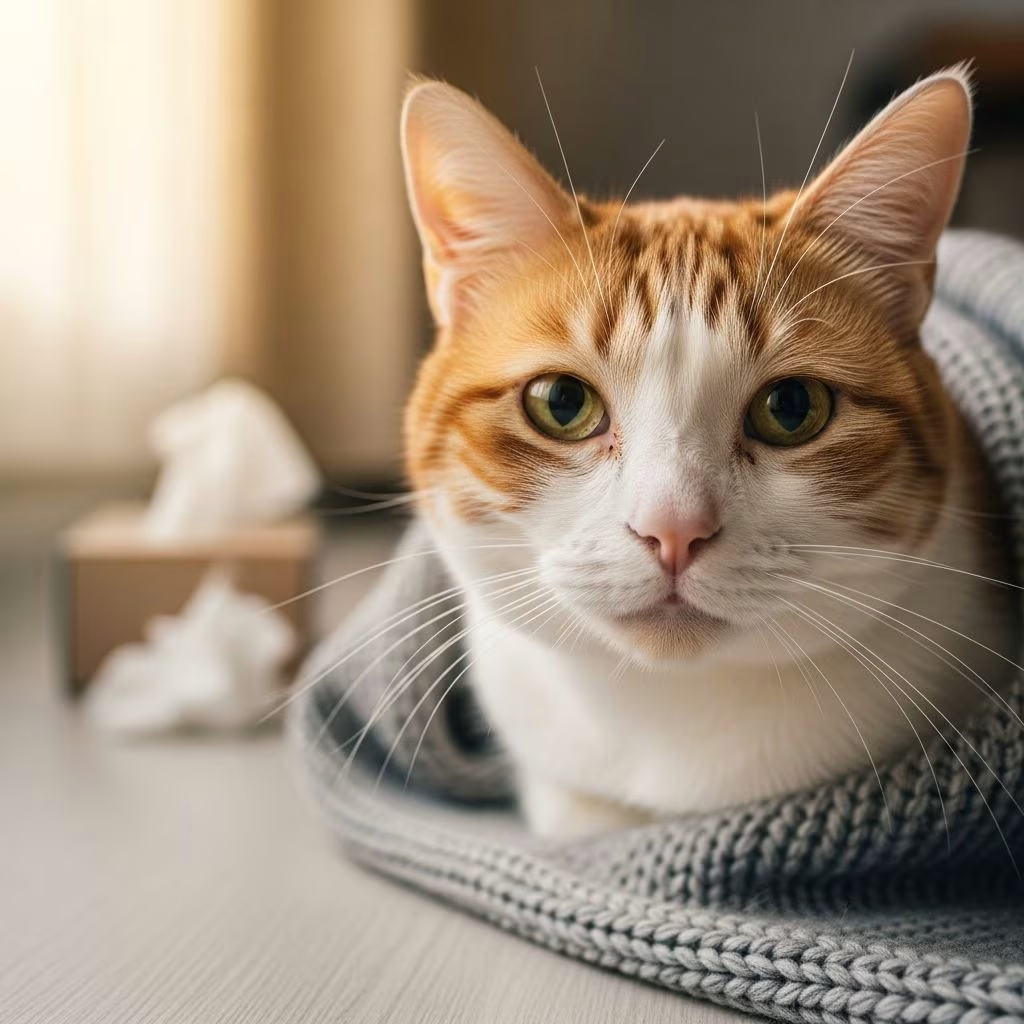
Feline upper respiratory infections, commonly known as cat colds or cat flu, typically resolve in 7-10 days for healthy cats with mild symptoms, though severe cases may extend to 6 weeks. These infections mimic human colds but stem from viruses like feline herpesvirus or calicivirus, often complicated by bacteria.
Understanding Feline Respiratory Infections
Cat colds affect the upper airways, causing inflammation in the nose, throat, and sinuses. Unlike human colds, they spread rapidly in multi-cat environments such as shelters or catteries due to highly contagious pathogens. Kittens, seniors, and immunocompromised cats face higher risks of prolonged illness or complications like pneumonia.
The primary culprits are viral: feline herpesvirus (FHV-1) leads to lifelong carriage with stress-triggered recurrences, while feline calicivirus causes oral ulcers alongside respiratory issues. Bacterial secondary infections, such as those from chlamydia or mycoplasma, worsen discharge and congestion.
Common Signs Your Cat Has a Cold
Early detection aids timely support. Watch for these indicators:
- Nasal discharge: Clear initially, turning yellow-green with bacterial involvement.
- Sneezing and coughing: Frequent, sometimes with eye watering.
- Eye issues: Conjunctivitis, squinting, or excessive tearing.
- Lethargy and appetite loss: Due to smell/taste impairment and throat soreness.
- Fever and mouth ulcers: Especially with calicivirus.
Symptoms peak in 2-4 days, then subside if uncomplicated.
Timeline of Cat Cold Recovery
Recovery varies by severity and cat health:
| Severity | Typical Duration | Key Factors |
|---|---|---|
| Mild | 5-10 days | Healthy adults; supportive care suffices. |
| Moderate | 10-14 days | Secondary bacteria; antibiotics needed. |
| Severe | Up to 6 weeks | Hospitalization for dehydration/pneumonia; FHV carriers. |
Monitor daily: improvement by day 4 signals good prognosis; persistence risks escalation.
At-Home Care Strategies for Comfort
Support your cat’s immune response with these vet-approved methods:
- Humidify the air: Use a humidifier or steam from showers to loosen mucus. Place carrier with hot water bowl under blanket for 15 minutes.
- Gentle cleaning: Wipe eyes/nose with warm, saline-dampened cloth.
- Enticing meals: Warm soft/wet food to enhance aroma; add water for hydration.
- Cozy setup: Quiet, warm space with extra bedding; minimize stress via pheromones.
- Encourage fluids: Offer low-sodium broth if refusing water.
Avoid human meds—toxic to cats.
Veterinary Interventions Explained
Consult a vet if no improvement in 4 days or severe signs appear. Treatments target symptoms and complications:
- Antibiotics: For bacterial infections (e.g., doxycycline).
- Antivirals: For FHV, like famciclovir in severe/recurrent cases.
- Eye drops/ointments: Reduce inflammation and clear infections.
- Supportive therapy: Fluids, feeding tubes, or oxygen for hospitalized cats.
Diagnosis involves exam, swabs, or bloodwork to rule out allergies or tumors.
Preventing Recurrence and Spread
Vaccines against FHV, calicivirus, and bordetella cut risks but don’t eliminate carriers. Core protocols include FVRCP boosters annually or every 3 years.
- Quarantine new cats 2-3 weeks.
- Disinfect with bleach (1:32 dilution).
- Reduce stress: stable routines, enrichment.
- Test/monitor FIV/FeLV status.
FHV carriers benefit from lysine supplements (consult vet).
Special Considerations for Vulnerable Cats
Kittens under 6 months or seniors over 10 years recover slower, often needing fluids early. FIV-positive cats face chronic issues; multi-cat homes amplify transmission—vaccinate all.
Pneumonia signs (labored breathing, blue gums) demand emergency care.
Frequently Asked Questions (FAQs)
How long does a cat cold usually last?
Mild cases clear in 7-10 days; severe up to 6 weeks with treatment.
Can I treat my cat’s cold at home?
Yes, for mild symptoms: humidity, cleaning, warm food. Vet if persists >4 days.
Is cat flu contagious to humans?
No, feline-specific pathogens don’t affect people.
What if my cat stops eating during a cold?
Critical—risks hepatic lipidosis. Seek vet for appetite stimulants or tubes.
Do vaccines prevent cat colds entirely?
No, but reduce severity; boosters essential.
References
- Feline Upper Respiratory Infection (Cat Flu): What It Is, Signs & Symptoms and How to Treat It — Trudell Animal Health. 2023. https://trudellanimalhealth.com/blogs/blog/feline-upper-respiratory-infection-cat-flu-what-it-is-signs-amp-symptoms-and-how-to-treat-it
- Cat Colds: Symptoms, Causes, and Treatment — PetMD. 2023. https://www.petmd.com/cat/conditions/respiratory/cat-colds
- Feline Upper Respiratory Disease, Kitty Cold — Animal Rescue League of Iowa. 2023. https://arl-iowa.org/adopt/adoption-info/resources/feline-upper-respiratory-disease/
- Cat Colds & How to Help Your Cat Feel Better — Whitesburg Animal Hospital. 2023-03-15. https://www.whitesburganimalhospital.com/site/blog/2023/03/15/cat-cold
- What to Do if Your Cat has a Cold — Carolina Veterinary Specialists Rock Hill. 2023-10-15. https://www.rock-hill.carolinavet.com/site/blog/2023/10/15/cat-cold



