

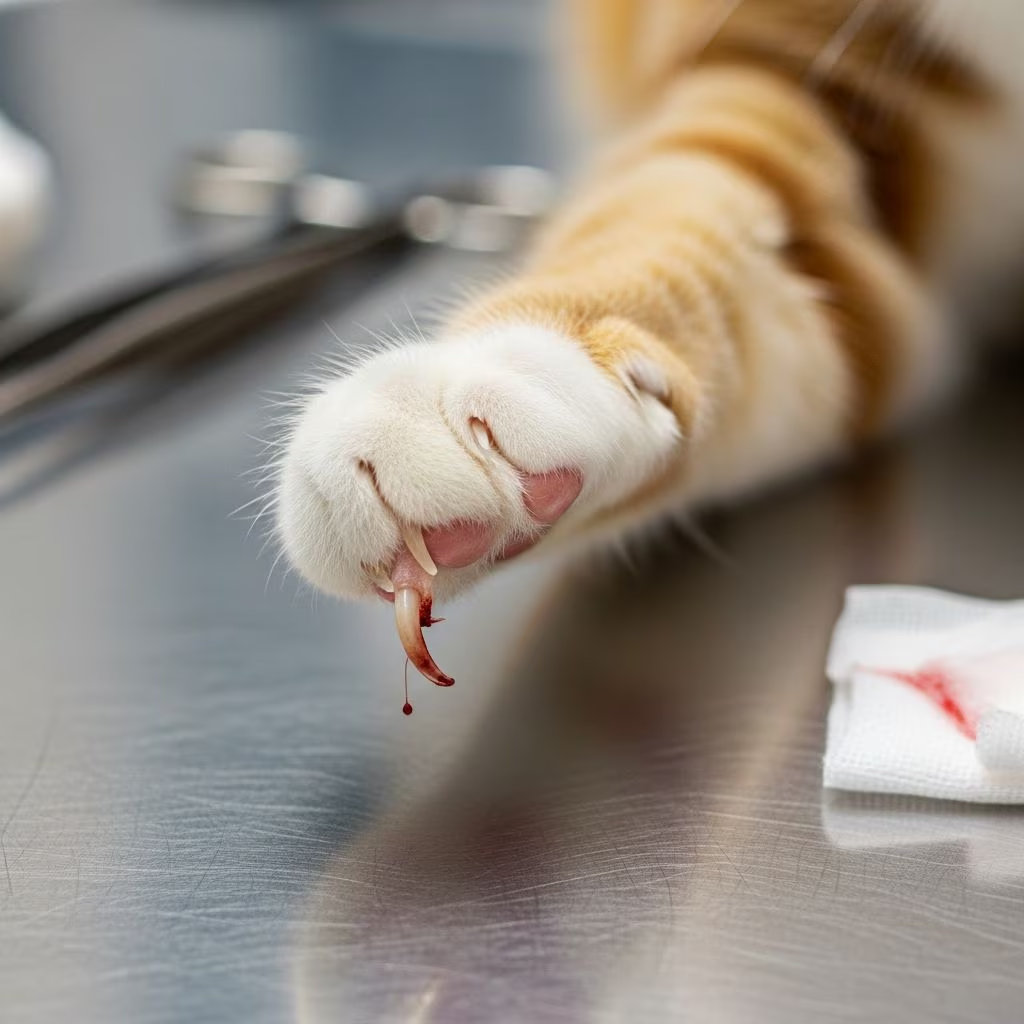
Cat claws are vital tools for climbing, scratching, and self-defense, but finding a lost claw on the floor can alarm any pet owner. In many cases, this is a routine part of feline biology where outer layers shed to reveal sharper nails underneath. However, complete claw loss accompanied by pain or bleeding often points to injury or illness requiring prompt attention.
The Biology of Feline Claws
Unlike human nails that grow from the tip, cat claws emerge from a central blood supply known as the quick. This vascular core nourishes continuous growth, pushing out older, keratinized outer layers called sheaths. These sheaths harden over time and eventually detach, maintaining claw sharpness and functionality.
This shedding cycle repeats every 2-3 months per claw, influenced by the cat’s activity level and scratching habits. Indoor cats may shed less frequently due to reduced wear, while outdoor explorers replace sheaths more often through natural abrasion.
Spotting Normal Claw Shedding
Normal shedding produces thin, hollow crescent-shaped pieces resembling empty husks. These fragments lack blood vessels and drop off painlessly, often after scratching on posts or fabrics. Your cat shows no distress—no limping, excessive licking, or paw favoring.
- Thin, lightweight sheath pieces: Look like translucent shells without pink quick exposure.
- No bleeding or swelling: Paw pads remain pink and firm.
- Active behavior: Cat grooms normally and uses all paws equally.
- Frequent around scratch zones: Common near posts, carpets, or beds.
Encourage this process by offering varied scratching surfaces: sisal posts, cardboard scratchers, and horizontal mats mimic outdoor textures.
When Claw Loss Signals Trouble
Not all claw detachments are benign. Thick chunks, fully missing nails exposing raw quick, or sudden loss demand scrutiny. Distinguish by examining the paw gently while observing behavior.
| Normal Shedding | Problematic Loss |
|---|---|
| Thin sheath only | Entire nail gone |
| No pain signs | Limping, yelping |
| Clean break | Bleeding, pus |
| One-off event | Recurrent or multiple claws |
Common Injury Causes
Trauma tops the list: claws snag on carpets, fabrics, or during rough play, ripping free with force. Overgrown nails from indoor lifestyles curl inward, piercing pads or snapping under pressure. Fights with other animals tear claws violently.
Health-Related Triggers
Beyond accidents, overgrown or splitting nails hint at nutritional gaps like poor protein intake affecting keratin production. Autoimmune conditions erode nail beds, causing sloughing alongside skin lesions. Infections from bacteria or fungi weaken structures, leading to premature loss.
Immediate Steps for a Lost Claw
Stay calm and assess first. Isolate the cat in a quiet space to prevent further paw stress.
- Inspect closely: Part fur to check for exposed quick (pink tissue), swelling, or discharge. Note if the socket is empty or bloodied.
- Clean gently: Rinse with cool water or saline; pat dry. Avoid hydrogen peroxide or human ointments toxic to cats.
- Bandage loosely: Use non-stick gauze and vet wrap if bleeding persists, changing daily.
- Monitor 24-48 hours: Track appetite, mobility, and paw appearance.
Administer no pain meds without vet guidance—human drugs like ibuprofen are lethal to felines.
Preventing Claw Problems
Proactive care minimizes risks. Trim nails biweekly, clipping only translucent tips beyond the quick to avoid pain. Use cat-specific clippers with built-in guards.
- Provide multiple scratchers: Vertical posts for stretching, flat ones for lounging scratches.
- Rotate textures: Rope, sisal, corrugated cardboard keep interest high.
- Diet optimization: High-quality food with taurine, omega-3s supports nail strength.
- Regular paw checks: During pets, feel for irregularities.
For multi-cat homes, separate resources reduce territorial claw damage from fights.
Veterinary Interventions Explained
When home care falls short, vets diagnose via exam, X-rays for bone involvement, or biopsies for systemic issues. Treatments vary:
Minor tears: Antibiotics prevent infection; styptic powder stops bleeding.
Severe avulsions: Sedation for cleaning, possible stitching, or claw removal if irreparable.
Chronic cases: Bloodwork rules out deficiencies; supplements or diet changes address roots.
Healing spans 7-14 days for simple cases, longer with complications. Follow-up ensures regrowth without deformity.
Regrowth and Long-Term Nail Health
New claws sprout from the quick within weeks, fully forming in 4-6 months. Monitor for curling or splitting indicating ongoing issues. Senior cats slow regrowth, needing gentler trims.
Soft爪caps offer non-surgical alternatives to declawing, protecting furniture while allowing natural shedding.
FAQs on Cat Claw Concerns
Is it normal for cats to lose claws occasionally?
Yes, shedding outer sheaths is standard, but full nail loss isn’t—vet check recommended.
How can I tell if my cat’s paw is infected?
Look for redness, heat, pus, foul odor, or fever; cat may hide or aggress when paw touched.
Should I trim my cat’s back claws?
Yes, though less visible, overgrown rear claws snag and cause slips; trim every 4-6 weeks.
What if my kitten loses a claw?
Puppies heal faster but still risk infection; isolate and consult vet promptly.
Can diet affect claw strength?
Absolutely—biotin, zinc deficiencies weaken nails; balanced kibble prevents this.
Holistic Claw Maintenance Tips
Integrate play: Toys encouraging pouncing sharpen claws safely. Monthly paw massages build trust for trims. Essential oils like lavender (diluted) soothe post-injury, but vet-approve first.
For allergy-prone cats, hypoallergenic litter reduces pad irritation leading to claw stress.
References
- Do Cat Claws Shed? Vet-Reviewed Facts & Advice — Catster. 2023. https://www.catster.com/cat-health-care/my-cat-lost-a-claw-is-that-normal/
- Why Is My Cat Losing a Nail? Understanding Cat Claw Health and Care — Meow Treat Your Cat. 2023. https://meowtreatyourcat.com/blogs/news/why-is-my-cat-losing-a-nail-understanding-cat-claw-health-and-care
- Broken Cat Claw or Nail: What You Should Do If This Happens — Partners Veterinary Animal Health Center. 2023. https://partnersvetavl.com/?p=4026
- Cat lost an entire claw recently. Is this something to be worried about? — Dial a Vet. 2023. https://www.dialavet.com/ask-a-vet/cat-lost-an-entire-claw-recently
- Why are my cats nails splitting? — Godspeed Animal Care. 2023-09-15. https://www.godspeedanimalcare.com/site/blog/2023/09/15/why-cats-nails-splitting



