

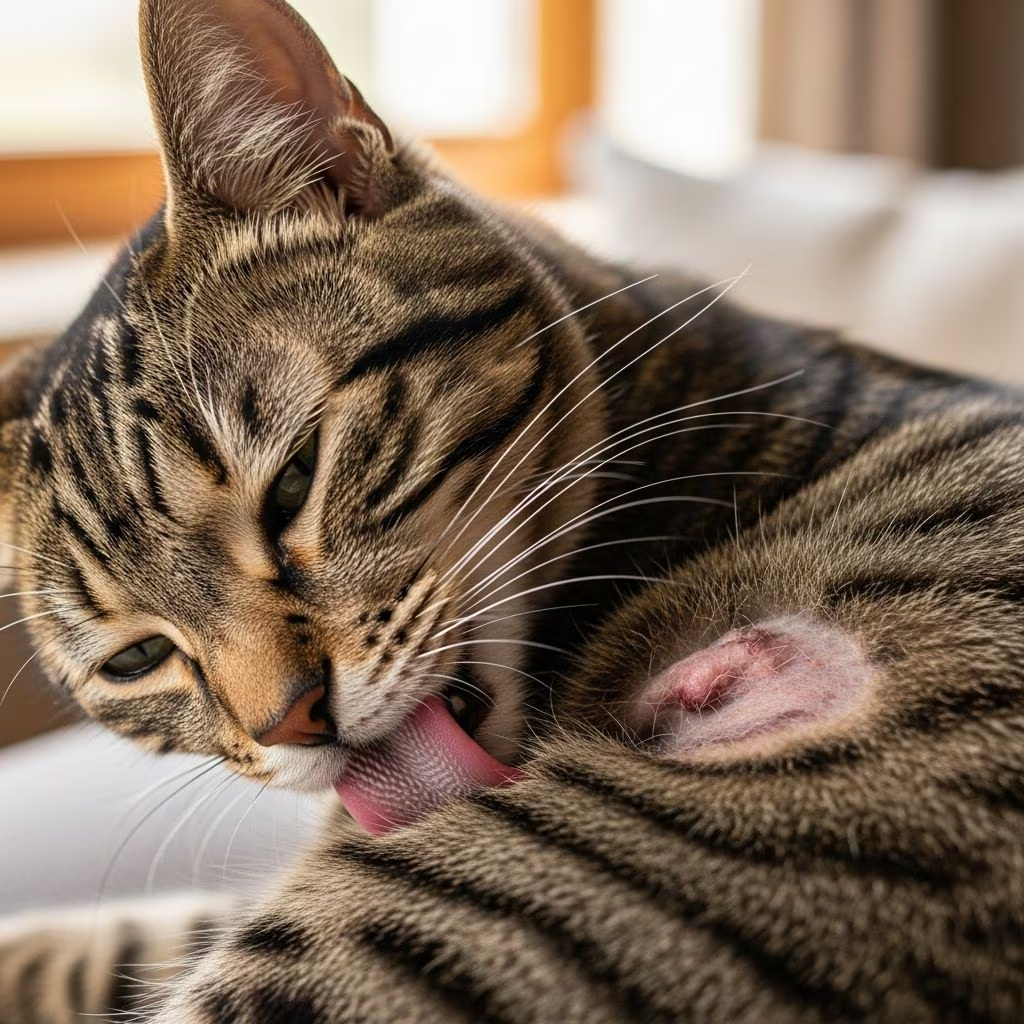
A cat’s grooming is typically a soothing sight, but when it escalates to chewing fur off, it signals an underlying issue. Overgrooming, often leading to bald patches or psychogenic alopecia, can stem from medical or behavioral causes like parasites, allergies, pain, stress, or boredom. Early intervention prevents secondary infections and restores your cat’s health.
This comprehensive guide covers the **5 primary reasons** your cat might be biting her fur off, backed by veterinary insights, and provides actionable steps to stop it. Always consult a vet for diagnosis, as self-treatment risks missing serious conditions.
The 5 Reasons Why Your Cat Is Chewing Her Hair Off & How to Stop It
Cats groom to clean and regulate body temperature, but excessive licking or chewing indicates distress. Here’s a breakdown of the top causes, symptoms, and treatments.
1. Fleas and Other Parasites
Fleas top the list as the most common trigger for fur chewing, especially in outdoor cats. Adult fleas feed on blood, causing intense itching. Cats with flea allergy dermatitis react severely to even one bite, leading to obsessive grooming at the tail base, neck, or hindquarters.
Other parasites like ticks, lice, mites (e.g., ear mites causing neck scabbing), and even tapeworms from swallowed fleas exacerbate the problem. Ingesting fleas risks worm transmission, while constant licking creates sores prone to bacterial infections.
Symptoms:
- Hair loss at tail base or lower back
- Red, inflamed skin or scabs
- Visible fleas (dark specks) or ‘flea dirt’ (black specks turning red with water)
- Restlessness and scratching
How to Stop Fur Chewing from Fleas:
- Apply vet-recommended flea treatments like topical spot-ons (e.g., fipronil) or oral medications. Avoid over-the-counter products.
- Treat the environment: 95% of fleas live off the host. Vacuum daily, wash bedding in hot water, and use household flea sprays.
- Worm your cat simultaneously to address tapeworms.
- For infections, vets may prescribe antibiotics or soothing creams.
Success rate is high with consistent treatment; monitor for 2-4 weeks.
2. Allergies
Allergies cause relentless itching, prompting cats to chew fur from paws, belly, face, or groin. Types include:
- Flea allergies (already covered).
- Food allergies: Reactions to proteins like beef, fish, or dairy.
- Environmental allergies (atopy): Pollen, dust mites, molds trigger paw-chewing or seasonal fur loss.
Feline Atopic Skin Syndrome (FASS) mimics human allergies, confirmed via blood/skin tests.
Symptoms:
- Symmetrical hair loss
- Red, itchy skin; possible ear infections
- Chewing paws or face
How to Treat Allergies:
- Food trials: Switch to hypoallergenic or novel protein diets (e.g., hydrolyzed) for 8-12 weeks under vet supervision.
- Anti-itch meds: Corticosteroids, cyclosporine, or apoquel for relief.
- Immunotherapy: Allergy shots build tolerance over months.
- Bathe with hypoallergenic shampoos to remove allergens.
Steroid-responsive mowing helps differentiate: seasonal points to fleas/atopy; year-round suggests food allergies.
3. Pain
Cats mask pain by grooming the affected area, chewing fur around injuries, arthritic joints, dental issues, or urinary problems. Limping or reluctance to jump signals this.
Common culprits: arthritis (older cats chew hips/lower back), wounds, abscesses, or internal pain like kidney disease.
Symptoms:
- Localized bald patches over joints or wounds
- Guarding the area; reduced appetite/activity
- Limping or mobility changes
How to Stop Fur Chewing from Pain:
- Vet exam: X-rays, bloodwork pinpoint issues.
- Pain relief: NSAIDs like meloxicam or opioids short-term.
- Supportive care: Ramps, soft bedding, joint supplements (glucosamine).
- Address root cause, e.g., dental cleaning.
Relief often stops grooming within days.
4. Psychogenic Alopecia (Stress/Anxiety)
Behavioral overgrooming, or psychogenic alopecia, occurs when stress triggers compulsive licking for endorphin release. No medical itch, but fur thins symmetrically on flanks, belly, or legs.
Triggers: New pets, moves, routine changes, household tension, or even owner stress cats absorb. Multi-cat homes amplify if resources are scarce.
Symptoms:
- Sudden overgrooming post-change
- No fleas/parasites; normal skin initially
- Other signs: hiding, aggression
How to Stop Psychogenic Alopecia:
- Environment fixes: Stable routine; safe spaces; one litter box per cat +1; block stray cat views.
- Slow new pet intros; pheromone diffusers (Feliway).
- Behavioral therapy: Desensitization/counterconditioning with treats.
- Vet-prescribed anti-anxiety meds (fluoxetine) if severe.
Consult a certified behaviorist for tailored plans.
5. Boredom
Understimulated indoor cats redirect energy to grooming, akin to stress but fixed via enrichment. Common in young/active breeds.
Symptoms: Fur loss + zoomies, destructive scratching, vocalizing.
Treating Hair Chewing from Boredom:
- Interactive toys, puzzle feeders, daily play (15-30 min).
- Vertical spaces: cat trees, shelves.
- Rotate toys; window perches for bird-watching.
- Clicker training for mental stimulation.
Enrichment reduces grooming by 70% in cases.
Diagnosis: When to See a Vet
Don’t delay: Bald spots, raw skin, or behavioral shifts warrant a vet visit. Expect skin scrapes, flea combing, cytology, allergy tests, or biopsies to rule out issues. Track patterns (location, timing) to aid diagnosis.
| Cause | Common Sites | Other Signs |
|---|---|---|
| Fleas | Tail base | Flea dirt, scabs |
| Allergies | Paws, belly | Itchy ears |
| Pain | Joints, wounds | Limping |
| Stress/Boredom | Flanks, symmetric | Anxiety behaviors |
Prevention Tips
- Yearly flea preventives and wellness exams.
- Balanced diet; stress-free environment.
- Enrichment routine from kittenhood.
Frequently Asked Questions (FAQs)
Q: Why is my cat suddenly chewing her fur off?
A: Sudden overgrooming often signals fleas, stress from changes, or allergies. Vet check rules out medical causes.
Q: Can overgrooming cause bald spots?
A: Yes, constant licking breaks hairs and prevents regrowth, leading to bald patches or thin fur.
Q: Is cat overgrooming dangerous?
A: It risks skin infections, ingested hairballs, and GI blockages. Untreated stress worsens.
Q: How long does it take for fur to regrow after stopping overgrooming?
A: 4-6 weeks with treatment; full coat in 2-3 months.
Q: Can diet fix cat fur chewing?
A: If food allergy-related, yes via elimination trials. Otherwise, combine with other treatments.
References
- Cat Chewing Her Fur Off? Vet-Reviewed Reasons & Solutions — Catster. 2023. https://www.catster.com/cat-behavior/cat-biting-fur-off/
- Why Cats Overgroom and How You Can Stop It — PetMD. 2024-05-15. https://www.petmd.com/cat/general-health/how-tell-if-your-cat-over-grooming
- Fur-Mowing (Feline) — Mar Vista Animal Medical Center. 2023-08-10. https://www.marvistavet.com/fur-mowing-feline.pml
- Cats and Compulsive Scratching, Licking, and Chewing — WebMD. 2024. https://www.webmd.com/pets/cats/features/cats-and-compulsive-scratching-licking-and-chewing
- Cat Overgrooming: What it Looks Like & How to Stop It — Zoetis Petcare. 2025-01-01. https://www.zoetispetcare.com/blog/article/cat-overgrooming



