

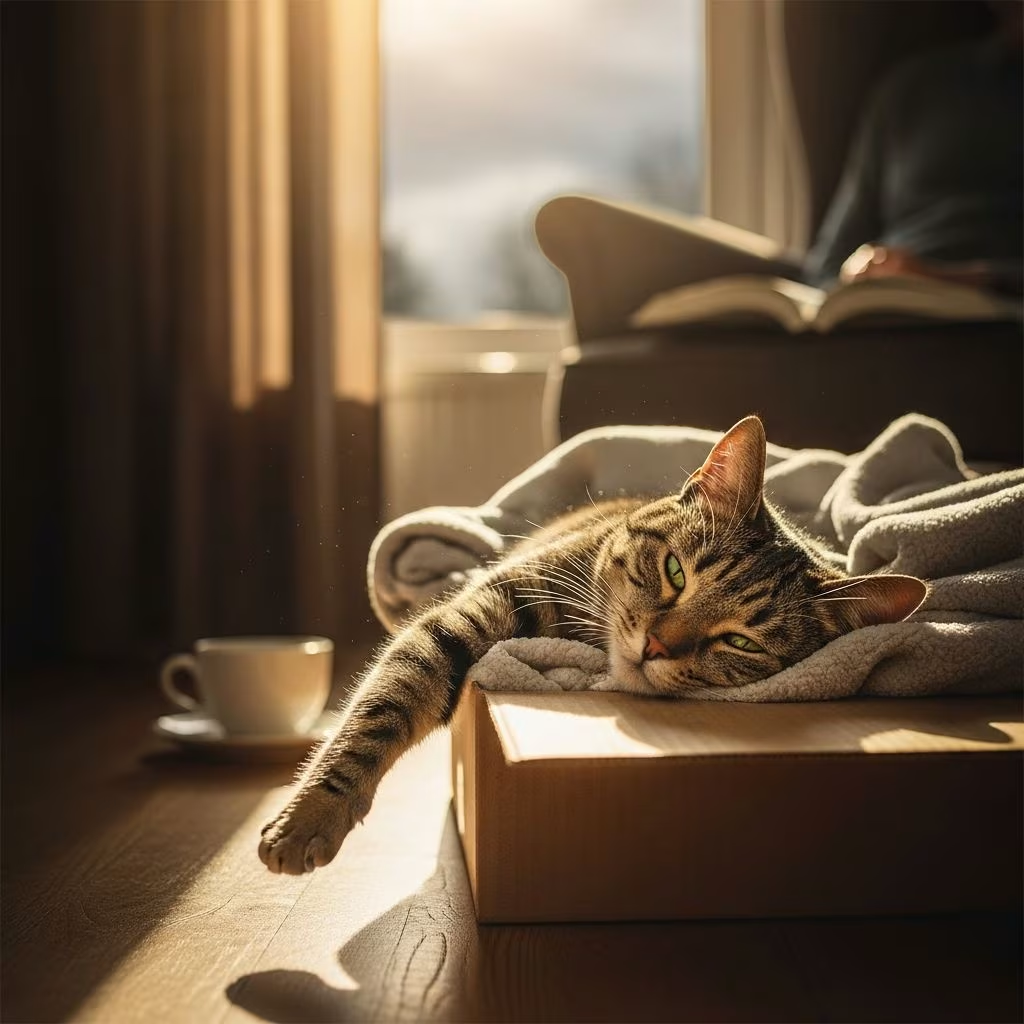
If you’ve noticed your feline companion’s sleeping habits have shifted dramatically, you’re not alone in experiencing this puzzling change. Cats are creatures of habit, and when their established routines alter significantly, it warrants investigation. Whether your cat has stopped cuddling up beside you at night or has begun sleeping in unusual locations, these behavioral modifications can stem from various causes—some benign and others requiring professional attention.
Understanding Your Cat’s Natural Sleep Architecture
Before examining why your cat’s sleep patterns have changed, it’s essential to understand what constitutes normal feline sleep behavior. Cats are crepuscular animals, meaning they’re most active during dawn and dusk hours when their wild ancestors would hunt for prey. This evolutionary adaptation explains why your cat might seem energetic during early morning hours or twilight while appearing lethargic throughout the day.
The typical adult cat sleeps between 12 and 20 hours daily, distributed across multiple short napping sessions rather than continuous nighttime rest. This polyphasic sleep pattern allows cats to conserve energy while remaining alert enough to respond to potential threats or hunting opportunities. Understanding this baseline helps you recognize when actual behavioral changes have occurred.
Sleep Stages in Felines
Cats experience multiple sleep stages similar to humans. During light sleep, cats maintain partial alertness, with their ears twitching in response to environmental sounds. This vigilant rest state enables them to spring into action if necessary. Deep sleep follows, during which growth hormones release and physical recovery occurs. Cats also experience rapid eye movement (REM) sleep, the dreaming phase, though we can only speculate about the contents of their feline dreams.
Age-Related Variations in Sleep Patterns
Your cat’s age significantly influences its sleep requirements and patterns. Recognizing age-appropriate sleep behaviors helps distinguish normal developmental changes from potential health concerns.
- Kittens: Young cats require extensive sleep to support rapid physical and neurological development. Growth hormones release predominantly during sleep, making rest crucial for their maturation.
- Adolescent cats: Junior cats often display irregular sleeping patterns mixed with periods of intense activity and playfulness.
- Adult cats: Mature felines establish more consistent sleep schedules, typically sleeping 12-20 hours daily in predictable patterns aligned with household routines.
- Senior cats: Older cats frequently sleep more than their younger counterparts and may experience disrupted nighttime rest.
If your cat’s age has recently changed categories—for instance, transitioning from adolescence to adulthood—some sleep pattern modifications represent normal development rather than cause for concern.
Environmental and Behavioral Factors Affecting Sleep
Cats demonstrate remarkable sensitivity to their surroundings. Environmental modifications, however subtle they might seem to humans, can profoundly impact your cat’s sleeping habits and locations.
Environmental Triggers
Weather conditions significantly influence feline rest patterns. Rainstorms and colder temperatures often prompt cats to increase their napping frequency. Your cat may seek out warmer spots during winter months or gravitate toward sunbeams during daylight hours. Similarly, the availability of comfortable sleeping locations—soft blankets, heated beds, or cozy boxes—can determine where your cat chooses to rest.
Behavioral environmental factors also matter considerably. The presence of boxes, sunny windowsills, or inviting blankets can trigger unscheduled sleeping sessions. Conversely, increased household noise, new pets, or changes in your routine can disrupt established sleep patterns.
Sensory Overload
Indoor cats face constant sensory stimulation from televisions, music, conversations, and household appliances. Sleeping allows cats to manage sensory overload by providing a quiet retreat where they can recharge mentally and physically. If you’ve introduced new audio-visual elements or increased household activity, your cat may sleep differently to cope with the additional stimulation.
Routine Disruptions
Cats are creatures of habit who thrive on predictable schedules. Any deviation in their daily routine—changes in your work schedule, new family members, or alterations to feeding times—can affect sleep patterns. These shifts might manifest as your cat sleeping at unusual times or in unexpected locations while adjusting to the new normal.
The Bond Between Sleep Location and Attachment
Many cat owners specifically notice their feline friends have stopped sleeping in their immediate vicinity. Understanding the reasons behind this change requires examining the multifaceted nature of feline bonding and comfort-seeking behavior.
Warmth and Body Temperature
Cats maintain higher resting body temperatures than humans and instinctively seek warmth to conserve energy. When your cat previously slept on your chest or beside you, they were leveraging your body heat while simultaneously ensuring they had sufficient energy reserves for hunting or play. If your cat has migrated to other sleeping locations, environmental factors like heated beds, sunny spots, or warmer household areas might be fulfilling this temperature regulation need.
Safety and Security Through Proximity
When cats sleep near their owners, they blend safety considerations with rest. Your presence provides protection, allowing them to enter deeper sleep phases with reduced anxiety. The shift away from sleeping near you might indicate increased confidence in their environment, reduced stress levels, or simply a preference for independent rest space. Conversely, some cats shift sleeping locations due to stress or discomfort that requires veterinary investigation.
Heartbeat and Soothing Rhythms
Your steady heartbeat provides a calming rhythm that can soothe your cat’s nervous system. Some cats find rhythmic vibrations—whether from heartbeats or purring—reassuring during rest. If your cat has stopped sleeping on your chest specifically, they may have developed alternative comfort mechanisms or simply prefer different sleeping positions that still maintain bonding connection.
Medical Conditions Associated with Sleep Pattern Changes
While many sleep behavior modifications stem from benign environmental or behavioral causes, sudden changes warrant veterinary attention. Several health conditions can significantly alter feline sleeping patterns.
Common Medical Causes
| Medical Condition | Sleep Pattern Changes | Additional Signs |
|---|---|---|
| Hypothyroidism | Increased sleepiness and lethargy | Slowed metabolism, weight changes |
| Anemia | Excessive fatigue and rest needs | Reduced oxygen in blood, weakness |
| Chronic Kidney Disease | Increased sleep from toxin buildup | Lethargy, changes in appetite or thirst |
| Diabetes | Energy fluctuations affecting rest | Variable activity levels, thirst changes |
| Heart Disease | Increased lethargy and rest | Breathing difficulties, reduced activity |
| Hyperthyroidism | Restlessness and insomnia | Hyperactivity, anxiety, vocalization |
| Pain (Arthritis, Injuries) | Altered sleeping positions and locations | Limping, reduced movement, behavior changes |
| Infections | Increased sleep and lethargy | Fever, behavioral changes, appetite loss |
Recognizing Problematic Sleep Changes
Excessive sleepiness combined with lethargy when awake signals potential health issues. If your cat is sleeping significantly more than their age-appropriate baseline and appears unwell during waking hours, veterinary consultation becomes essential. Similarly, restlessness or insomnia—where cats struggle to settle or seem anxious at night—may indicate pain, anxiety, or medical conditions like hyperthyroidism.
Unusual sleeping locations deserve attention as well. Cats that suddenly hide under furniture or sleep in closets might be feeling unwell or experiencing stress-related anxiety. Some cats experiencing urinary or digestive issues may sleep in their litter boxes—a clear indicator that medical evaluation is warranted.
Age-Related Sleep Disturbances in Senior Cats
As cats age, they commonly experience sleep pattern modifications beyond simply sleeping more. Senior cats may experience changes in sleep cycles, hearing loss, anxiety, or cognitive dysfunction that causes vocalization and increased wakefulness. These age-related changes can significantly alter when and where your cat chooses to rest.
Nocturnal activity often increases in older cats, with some becoming more vocal and active during nighttime hours. This shift results from normal aging processes combined with potential health problems. If your senior cat’s sleep habits suddenly change dramatically, scheduling a veterinary examination helps rule out medical issues treatable with intervention.
Nocturnal Behavior and Activity Changes
Some cat owners report their feline companions have become more active at night or during early morning hours. This behavioral shift can stem from multiple causes that specifically affect sleep distribution throughout the day.
Daytime Solitude Effects
Cats left home alone during work or school hours may spend most of their day sleeping or resting. This accumulated daytime rest can result in an active, energetic cat during nighttime when their owner is home. The shift doesn’t necessarily indicate a problem but rather reflects your cat’s adaptation to household schedules and social rhythms.
Medical Causes of Nocturnal Hyperactivity
Certain health conditions specifically cause increased nighttime activity. Pain, anxiety, and chronic illnesses can make cats uncomfortable during rest periods, prompting increased movement and wakefulness. Additionally, hyperthyroidism can cause hyperactivity and behavioral changes that manifest as excessive nighttime energy.
Strategies for Supporting Healthy Sleep Patterns
If your cat’s sleep changes haven’t revealed an underlying medical condition, several interventions can support healthy rest:
- Create comfortable sleeping zones: Provide heated cat beds, sunny windowsills, and cozy blankets throughout your home to maintain consistent sleep patterns.
- Maintain routine consistency: Keep feeding times, play sessions, and household schedules predictable to help your cat’s internal clock remain stable.
- Control environmental stimuli: Reduce excessive noise and visual stimulation, particularly during your cat’s natural sleeping hours.
- Ensure temperature comfort: Monitor household temperatures, particularly during winter months when cats may seek additional warmth.
- Respect independence preferences: Recognize that some cats naturally prefer sleeping in solitary, secure locations rather than near their owners.
When to Consult Your Veterinarian
Sudden or significant changes in your cat’s sleeping habits warrant professional evaluation, particularly when accompanied by other behavioral or physical changes. If your cat’s sleeping habits change suddenly or significantly, it is worth paying attention. Consulting your veterinarian becomes especially important when you observe excessive sleepiness with lethargy, unusual sleeping locations coupled with hiding behavior, restlessness or insomnia, or nocturnal activity changes in senior cats.
Your veterinarian can assess whether changes represent normal behavioral shifts or indicate underlying health conditions requiring treatment. They may recommend blood work, physical examinations, or additional diagnostics to identify potential medical causes.
Frequently Asked Questions
Is it normal for cats to change where they sleep?
Yes, cats frequently adjust their sleeping locations based on environmental factors, comfort preferences, and seasonal changes. However, sudden shifts to unusual locations—particularly hiding spots—warrant investigation.
How much should my adult cat sleep daily?
Adult cats typically sleep 12-20 hours daily, distributed across multiple napping sessions throughout the day and night.
Why might my cat suddenly sleep more than usual?
Increased sleep can result from environmental changes, stress management needs, cooler weather, or medical conditions affecting energy levels. If the increase is dramatic and accompanied by other symptoms, veterinary evaluation is recommended.
Does my cat need special sleeping arrangements?
While not strictly necessary, heated beds and comfortable sleeping areas support your cat’s natural tendency to seek warmth and security during rest.
Can anxiety affect my cat’s sleep?
Yes, anxiety and stress can disrupt normal sleep patterns, causing restlessness, insomnia, or avoidance of previous sleeping locations.
References
- Understanding Your Sleepy Cat — Richmond Veterinary Clinic. Accessed January 2026. https://rvetclinic.com/sleepy-cat/
- Cats Sleeping All Day? Here’s Why — Lane Veterinary. Accessed January 2026. https://lanevet.com/blog/cats-sleeping-all-day/
- Changes in Sleeping Habits — The Cat Clinic and Hospital. Accessed January 2026. https://www.catclinic.net/blog/1276667-changes-in-sleeping-habits
- Why Does My Cat Sleep on My Chest? Feline Bonding Explained — Brinker Veterinary. Accessed January 2026. https://brinkervet.com/blog/why-does-my-cat-sleep-on-my-chest-feline-bonding-explained/
- My cat sleeps constantly, should I be worried? — Cordova Veterinary Clinic. Accessed January 2026. https://www.germantownah.com/site/blog-memphis-vet/2024/04/15/cat-sleeps-constantly
- Nocturnal activity in Cats — WebMD Pets. Accessed January 2026. https://www.webmd.com/pets/cats/nighttime-activity-cats
- Nocturnal Behavior (Cats) — San Francisco SPCA. Accessed January 2026. https://www.sfspca.org/resource/nocturnal-behavior/



