

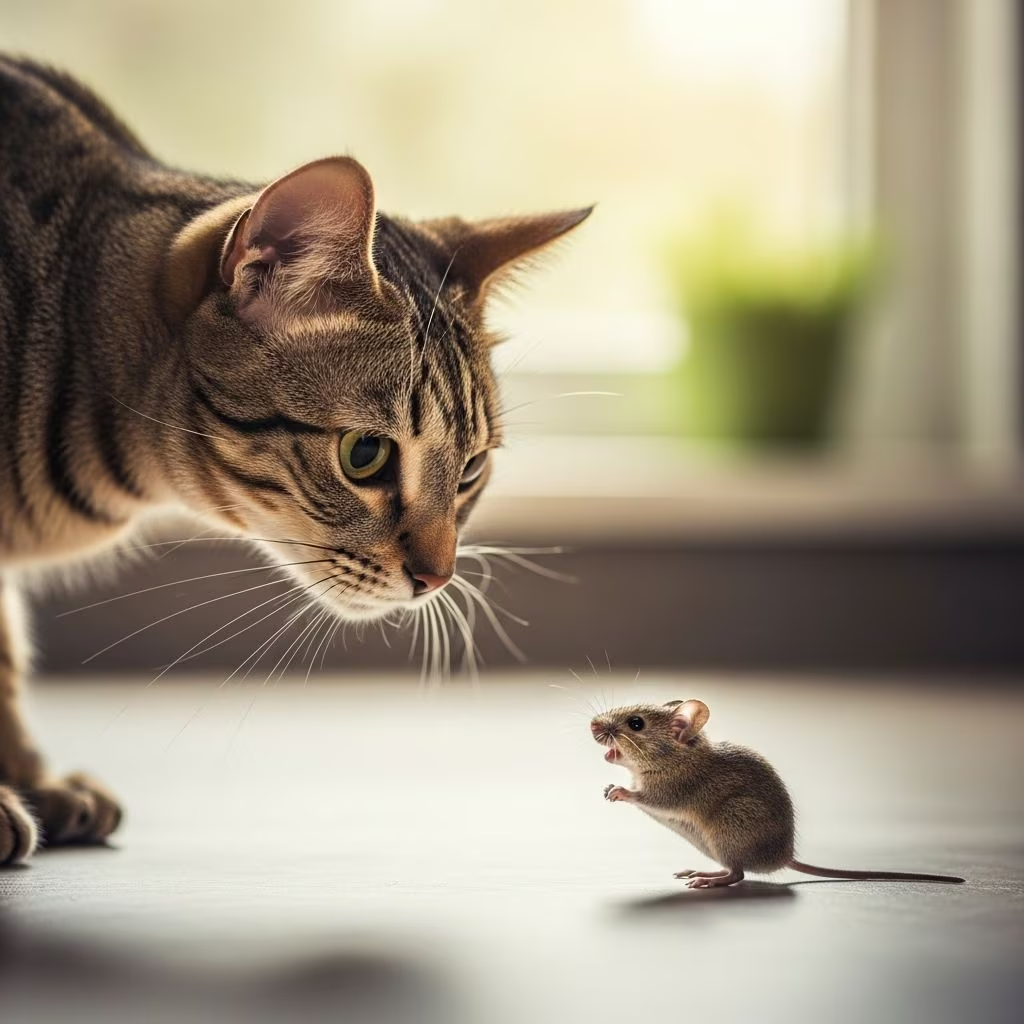
Your cat proudly parades through the door with a squirming mouse or a lifeless rodent in its jaws. This startling moment is more common than many pet owners realize, rooted deeply in feline biology. Understanding this behavior empowers you to respond effectively, safeguard your household, and respect your pet’s wild heritage without panic.
The Primal Drive Behind Feline Prey Presentation
Cats descend from solitary hunters in ancient deserts, where survival hinged on stalking small game. Domestic life hasn’t erased this DNA blueprint. Even well-fed indoor-outdoor cats retain an unquenchable urge to pursue, capture, and sometimes share their conquests. This isn’t rebellion or malice; it’s evolution at work.
Biologists note several motivations. Cats often transport kills to their “core territory”—your home—for secure consumption away from rivals. Well-nourished pets may abandon half-eaten prizes after the thrill fades, preferring kibble. Others interpret it as familial bonding: mothers teach kittens by delivering live quarry, so an adult cat might “instruct” clueless humans similarly. Pride in prowess or simple play extension also factors in, turning your living room into an unintended hunting ground.
Decoding Live Versus Lifeless Deliveries
Not all “gifts” are equal. A wriggling mouse signals ongoing engagement—your cat might intend this as a training tool, mimicking how queens nurture young by releasing live prey for pouncing practice. The rodent’s vitality allows prolonged interaction, honing reflexes for both cat and perceived “apprentice.”
Conversely, a motionless mouse conveys completion. This could stem from provisioning instincts, where your cat assumes you need sustenance since you rarely venture out to hunt. Or it’s territorial assertion: depositing trophies indoors reinforces dominance in a safe haven. Frequency matters too—regular offerings suggest robust health and ample outdoor access, a positive vitality indicator despite human discomfort.
| Mouse Condition | Possible Cat Motivation | Owner Action Priority |
|---|---|---|
| Live | Teaching/Play | Capture & Release |
| Dead | Provisioning/Pride | Safe Disposal |
Immediate Response Protocols for Safety
Stay composed—panicking reinforces the behavior or escalates chaos. Isolate the cat gently in another room to prevent re-engagement, minimizing injury risks to all parties.
For live mice:
- Dim lights and move slowly to avoid startling the animal.
- Use a large container (bucket or box) and stiff cardboard to trap it humanely—slide the lid underneath without crushing.
- Release outdoors at least 100 yards from home to deter return; wear gloves to shield from scratches or bites.
For deceased ones:
- Don thick gloves or use tongs; double-bag in plastic, seal tightly, and discard in outdoor bins.
- Disinfect surfaces with pet-safe cleaners (diluted bleach or enzymatic sprays) to erase scents that might lure more prey or encourage repetition.
- Wash hands thoroughly and monitor your cat for unusual lethargy, signaling potential illness.
Never punish the cat. Scolding links the “gift” to negativity, potentially sparking anxiety or redirected aggression. Instead, praise calm departures post-incident to associate good choices with rewards.
Health Hazards Lurking in Rodent Remains
These presents aren’t just gross—they pose real threats. Mice harbor pathogens like hantavirus, leptospirosis, and parasites transmissible via saliva, feces, or fur. Cats risk contracting toxoplasmosis or roundworms from ingestion, while owners face secondary exposure during cleanup.
Veterinary data underscores vigilance: felines hunting wild prey show elevated disease vectors. Lyme disease transmission via tick-laden mice endangers pets too. Prompt vet checks post-hunt, including fecal exams, mitigate these dangers. Vaccinations and flea preventives form your first defense line.
Preventive Tactics to Curb the Habit
Eliminate free access if feasible—install secure microchip-activated flaps limiting outdoor jaunts to supervised times. Enrich indoors with puzzle feeders, wand toys mimicking prey motion, and vertical perches channeling energy constructively. High-protein diets satisfy urges without live chases.
Yard fortifications help: trim overgrowth harboring rodents, seal home entry gaps with steel wool, and deploy humane traps baited away from feline paths. Bell collars (controversial for stifling hunts) or GPS trackers monitor escapades, though effectiveness varies.
- Indoor Enrichment Ideas: Laser pointers, treat-dispensing balls, window bird feeders for vicarious thrills.
- Outdoor Deterrents: Motion sprinklers, ultrasonic repellents, predator urine scents around perimeters.
Emotional Navigation for Cat Guardians
Revulsion clashes with affection, breeding guilt or frustration. Reframe: this validates your home as sanctuary and your cat as apex provider. Journal incidents to track patterns, consult behaviorists if distress mounts. Communities of owners share coping humor, normalizing the quirk.
For strays offering doorstop tributes, it signals trust—reciprocate with shelter, not rejection, fostering bonds responsibly.
Long-Term Management and Vet Insights
Spaying/neutering curbs roaming, indirectly reducing hunts. Age factors in: seniors hunt less vigorously, kittens more impulsively. Breed traits vary—Bengals retain wilder drives than Persians.
Consult vets annually; they assess if hunts indicate nutritional gaps or hyperthyroidism boosting activity. Holistic supplements like taurine bolsters support instinctual balance.
Frequently Asked Questions
Is it normal for cats to bring mice inside?
Absolutely—it’s instinctual, signaling health and security, not misbehavior.
Should I stop my cat from hunting altogether?
Suppression risks obesity or stress; redirect via enrichment instead.
Can cats get sick from eating mice?
Yes, risks include parasites and bacteria; regular deworming protects.
What if the mouse is half-alive and injured?
Humanely euthanize if suffering (vet or quick dispatch), then dispose safely.
Do indoor cats ever do this?
Rarely, but escaped prey or insects trigger similar displays.
Environmental Ripple Effects
Cats claim billions of small animals yearly, impacting ecosystems. Responsible ownership—leash walks, bell collars—balances pet joy with wildlife preservation. Support local conservation via no-kill shelters and native plantings repelling pests naturally.
References
- Cats Protection: Why do cats bring you dead animals? — Cats Protection. 2023-05-15. https://www.cats.org.uk/cats-blog/why-do-cats-bring-you-dead-animals
- Why Do Cats Bring You Mice or Dead Animals as Gifts? — Purina US. 2024-08-20. https://www.purina.com/articles/cat/behavior/understanding-cats/why-do-cats-bring-you-dead-animals
- What to Do When Your Cat Brings You a ‘Gift’ — Victor Pest. 2023-11-10. https://www.victorpest.com/articles/what-to-do-when-your-cat-brings-you-a-gift
- Is it Safe to Let Your Cat Get Rid of Mice? — PetCareRx. 2024-02-28. https://www.petcarerx.com/article/is-it-safe-to-let-your-cat-get-rid-of-mice/1482
- Why Do Cats Bring You Dead Animals? 3 Reasons — Lady N Pet. 2023-09-05. https://ladynpet.com/us/blog/why-do-cats-bring-you-dead-animals/



