

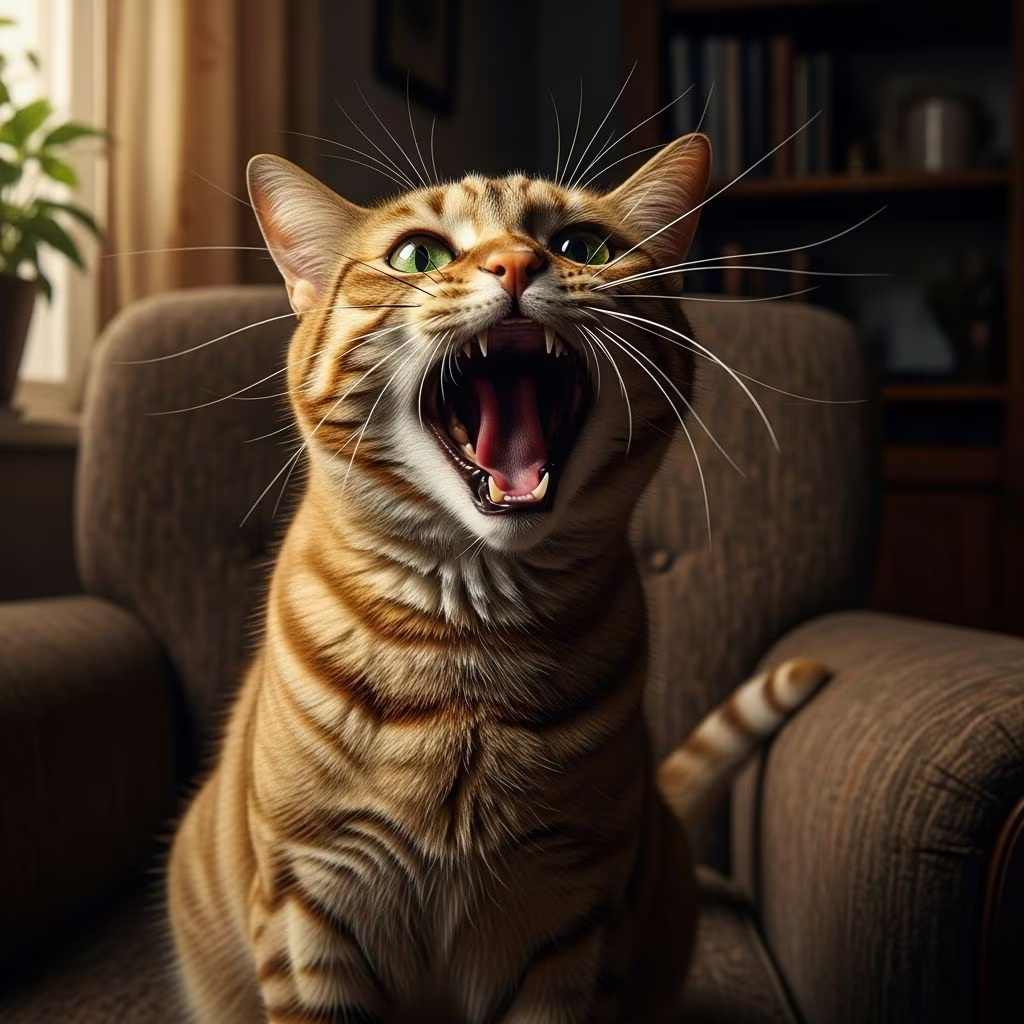
Loud, prolonged yowls known as caterwauling can disrupt households and worry cat owners. This vocalization often signals unmet needs, health concerns, or instinctual drives in felines.
Understanding Feline Vocalizations
Cats communicate through a range of sounds, from soft purrs to intense howls. Caterwauling stands out as a harsh, drawn-out cry typically linked to distress or urgency. Unlike standard meows directed at humans, this noise echoes territorial instincts or discomfort.
Domestic cats rarely caterwaul in the wild context but adapt these calls for interaction with owners. Recognizing patterns helps differentiate normal from problematic behavior.
Primary Triggers for Caterwauling
Several factors prompt this vocal behavior. Identifying the root cause allows targeted interventions.
Reproductive Instincts and Heat Cycles
Unspayed females frequently caterwaul during estrus to attract mates, producing piercing calls that intensify at night. Intact males respond similarly, driven by hormonal surges to locate receptive partners.
Spaying or neutering eliminates these episodes in most cases, preventing unwanted litters and reducing noise.
Demands for Interaction
Cats learn that persistent yowling yields responses like food or pets, reinforcing the habit. Affectionate breeds or lonely pets vocalize more when feeling ignored.
- Recent routine changes amplify attention-seeking cries.
- Boredom in understimulated environments leads to experimental yowls in echoey spaces.
Age-Related Cognitive Shifts
Senior cats often increase vocalization due to cognitive dysfunction syndrome (CDS), akin to dementia. Nighttime disorientation prompts confused yowls.
Hearing or vision loss exacerbates uncertainty, causing louder calls for reassurance.
Medical Conditions Behind the Noise
Health issues frequently underlie sudden or intensified caterwauling. Prompt veterinary evaluation rules out serious problems.
| Condition | Symptoms | Common in |
|---|---|---|
| Hyperthyroidism | Weight loss, hyperactivity, nighttime yowls | Older cats |
| Pain (e.g., arthritis) | Limping, hiding, reluctance to jump | All ages |
| Cognitive Dysfunction | Disorientation, sleep changes | Seniors |
| Neurological Issues | Circling, head pressing | Rare, any age |
Signs of Pain or Illness
Cats mask discomfort, but caterwauling paired with these indicators warrants a vet visit:
- Appetite fluctuations or pickiness.
- Altered grooming habits, like neglect or fixation on one area.
- Aggression, withdrawal, or panting at rest.
- Face pawing or squinting, hinting at dental woes.
Hyperthyroidism Details
This thyroid overactivity accelerates metabolism, leading to restless vocalizations. Guidelines from veterinary associations emphasize early blood tests for diagnosis.
Environmental and Behavioral Influences
Beyond biology, surroundings shape vocal habits.
Stress from Changes
Moves, new pets, or family additions trigger anxiety-fueled yowls. Territorial disputes with other animals prompt defensive cries.
Nocturnal Patterns
Cats’ crepuscular nature means peak activity at dawn and dusk. Insufficient daytime enrichment results in evening outbursts.
Strategies to Reduce Caterwauling
Addressing causes systematically quiets homes. Consistency proves key.
Medical Interventions
Schedule vet exams for bloodwork and imaging. Treatments like thyroid medication restore balance.
Behavioral Modifications
Ignore excessive calls to avoid reinforcement, rewarding silence instead. Enrich environments with toys and perches.
- Stick to feeding schedules to prevent frustration yowls.
- Provide puzzle feeders for mental stimulation.
Senior Cat Support
For CDS, maintain routines with nightlights and familiar bedding. Supplements may aid cognition, per veterinary guidance.
Reproductive Solutions
Sterilization halts heat-related noise effectively.
Daily Management Tips
Proactive steps minimize episodes:
- Engage in evening play to tire cats before bed.
- Use white noise machines to mask external triggers.
- Offer vertical spaces for security.
- Monitor for multi-cat tensions and separate resources.
When to Seek Professional Help
If yowling persists despite home efforts or accompanies concerning signs, consult a veterinarian immediately. Early intervention prevents progression of underlying issues.
FAQs
Why does my cat caterwaul at night?
Nighttime yowls often stem from CDS in seniors, hyperthyroidism, or natural activity peaks. Routine adjustments and vet checks help.
Is caterwauling always a health problem?
No, but sudden increases signal potential issues. Rule out medical causes first.
Can spaying stop caterwauling?
Yes, for estrus-driven cases, neutering resolves hormonal yowls reliably.
How do I ignore attention-seeking without stress?
Wait for quiet moments to interact, gradually extinguishing the behavior.
Long-Term Prevention
Annual wellness exams catch issues early. Balanced diets, exercise, and enrichment foster vocal restraint. Understanding your cat’s unique signals builds harmony.
References
- What Is Caterwauling and Why Do Cats Do It? — cats.com. 2023. https://cats.com/caterwauling
- Why Cats Start Meowing & Yowling More — Lolahemp. 2024. https://lolahemp.com/blogs/cat-health/5-reasons-your-cat-is-meowing-more
- Why Is My Cat Meowing So Much? Exploring Excessive Vocalization in Cats — Bayview Pets. 2024. https://bayviewpets.com/why-is-my-cat-meowing-so-much-exploring-excessive-vocalization-in-cats/
- Meowing and Yowling — ASPCA. 2023-10-01. https://www.aspca.org/pet-care/cat-care/common-cat-behavior-issues/meowing-and-yowling
- 9 Cat Noises and What They Mean — PetMD. 2024. https://www.petmd.com/cat/general-health/cat-noises



