

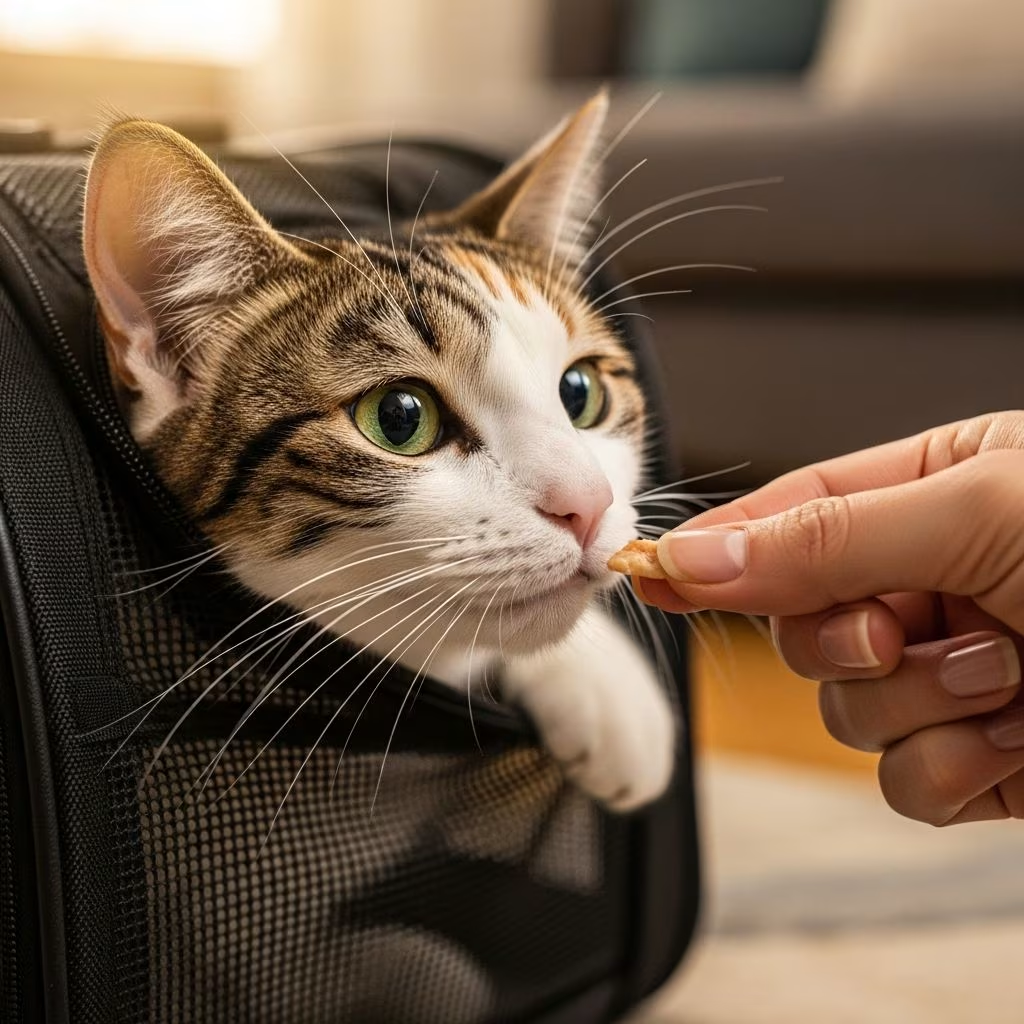
Many cat owners face the daunting task of convincing their feline companions to enter a carrier without drama. This common issue often stems from past negative associations, making routine trips to the vet or short drives feel like battles. Fortunately, systematic training transforms carriers from foes into familiar friends, easing stress for both cat and owner. By focusing on positive reinforcement and gradual exposure, cats learn to associate carriers with comfort and rewards.
Why Cats Resist Carriers and How to Spot the Signs
Cats are wired for caution, viewing enclosed spaces as potential traps if linked to unpleasant memories like car sickness or vet exams. Signs of resistance include hiding when the carrier appears, hissing, swatting, or bolting away. Ears flattening, tail lashing, or dilated pupils signal rising anxiety. Recognizing these cues allows owners to intervene early with calming strategies.
Understanding feline body language is crucial. A relaxed cat shows slow blinks, loose posture, and upright ears. Training success hinges on progressing only when these positive signals appear, preventing setbacks.
Selecting the Perfect Carrier for Your Cat
Not all carriers suit every cat. Opt for designs prioritizing safety, ventilation, and escape-proof features. Top-loading models ease entry for timid cats, while hard-sided ones offer durability for travel. Soft carriers provide portability but ensure secure latches.
| Carrier Type | Pros | Cons | Best For |
|---|---|---|---|
| Top-Loading | Easy access, less bending | Bulkier storage | Aging or large cats |
| Hard-Sided | Durable, secure | Heavier | Long trips |
| Soft-Sided | Lightweight, portable | Less stable | Air travel |
Size matters: the carrier should allow standing, turning, and stretching without crowding. Line it with familiar bedding scented with your cat’s pheromones for instant appeal.
Building Positive Associations from Day One
Start by integrating the carrier into daily life. Place it in a high-traffic area, door removed or secured open, to demystify it. Sprinkle treats or toys inside sporadically, encouraging voluntary exploration. Feed meals progressively closer, eventually inside, fostering a link between carrier and good things.
- Leave carrier accessible 24/7 as a cozy nook.
- Toss high-value treats near or in it during playtime.
- Use pheromone sprays like Feliway to enhance calm.
Sessions should last under two minutes, ending on a high note to build anticipation for next time.
Step-by-Step Desensitization Techniques
Desensitization breaks the process into manageable phases, rewarding each micro-progress.
Phase 1: Visual Familiarity
Position the carrier openly. Reward glances toward it with treats, advancing to sniffing or pawing. Shaping rewards tiny steps: eye contact, approach, head dip inside.
Phase 2: Voluntary Entry
Lure with a trail of treats leading in. Jackpot rewards—multiple treats at once—for full entry. Avoid forcing; let choice empower the cat.
Phase 3: Door Desensitization
With cat inside willingly, practice door movements. Squeeze latches paired with treats, progressing to brief closures (1-3 seconds). Gradually extend durations, always monitoring relaxation.
Pro tip: Mimic vet sounds like latches without closing fully first, conditioning calm responses.
Phase 4: Lid and Movement Intro
Reattach the lid loosely, feeding treats through vents. Lift gently from the base for stability, rewarding stillness. Short walks around the room precede car simulations.
Advanced Training: Simulating Real Travel
Once comfortable stationary, simulate drives. Place carrier in the car stationary first, offering treats via door cracks. Progress to short engine idles, then neighborhood loops, covering with a blanket to muffle visuals and secure scents.
Incorporate play post-session to reinforce positivity. Vary practice destinations beyond vets, like peaceful parks, diluting negative ties.
Common Hurdles and Smart Fixes
- Past Trauma: Get a new carrier; old ones carry scent memories.
- High Anxiety: Consult vets for anti-anxiety aids like gabapentin pre-training.
- Slow Progress: Revert steps; patience trumps speed.
- Multi-Cat Homes: Train individually, rewarding observers too.
For kittens, start early—younger cats adapt faster. Seniors benefit from orthopedic padding.
Enhancing Comfort During Actual Trips
Prep minimizes stress: withhold food 2-4 hours pre-travel to curb nausea, but ensure hydration. Secure carrier on flat car seats, avoiding air bags. Post-trip, clean with enzyme sprays to erase stress pheromones.
Travel blankets dampen motion cues; familiar toys distract positively.
Long-Term Maintenance for Lasting Results
Weekly mini-sessions sustain gains. Random treat drops keep carriers exciting. Track progress in a journal, noting triggers for tweaks.
Owners report 80-90% improvement in compliance after 4-6 weeks of consistent effort, per behaviorist insights.
Frequently Asked Questions
How long does carrier training take?
Typically 2-8 weeks, varying by cat’s history. Short daily sessions yield faster results.
What treats work best?
High-value like tuna flakes, chicken bits, or commercial feline treats your cat adores.
My cat panics when lifted; what now?
Lift from base securely; practice stationary holds first, rewarding calm.
Can I use clicker training?
Yes, pair click with treats for precise timing on behaviors like entering.
Is medication ever needed?
For severe cases, vet-prescribed options complement training effectively.
Real Owner Transformations
One owner shared: After weeks of treats and patience, my escape artist now saunters in voluntarily. Another noted total training under 40 minutes across sessions for two cats. These stories underscore training’s efficacy.
References
- Cat Carrier Training Simplified — Insight Animal Behavior. 2023. https://www.insightfulanimals.com/cat-carrier-training-simplified
- Training Tips: Carrier Training Cats — San Diego Humane Society. 2024-01-15. https://sdhumane.org/resources/training-tips-carrier-training-cats/
- Teaching Your Cat to Ride in a Carrier — ASPCApro. 2020-06-01. https://www.aspcapro.org/sites/default/files/resource/downloads/2020-2020-06/aspca-teaching-cats-to-ride-in-carriers.pdf
- Teach Your Cat to Love the Carrier — Wisconsin Humane Society. 2023. https://www.wihumane.org/behavior/ask-the-experts/cat-behavior/teach-your-cat-to-love-the-carrier



