

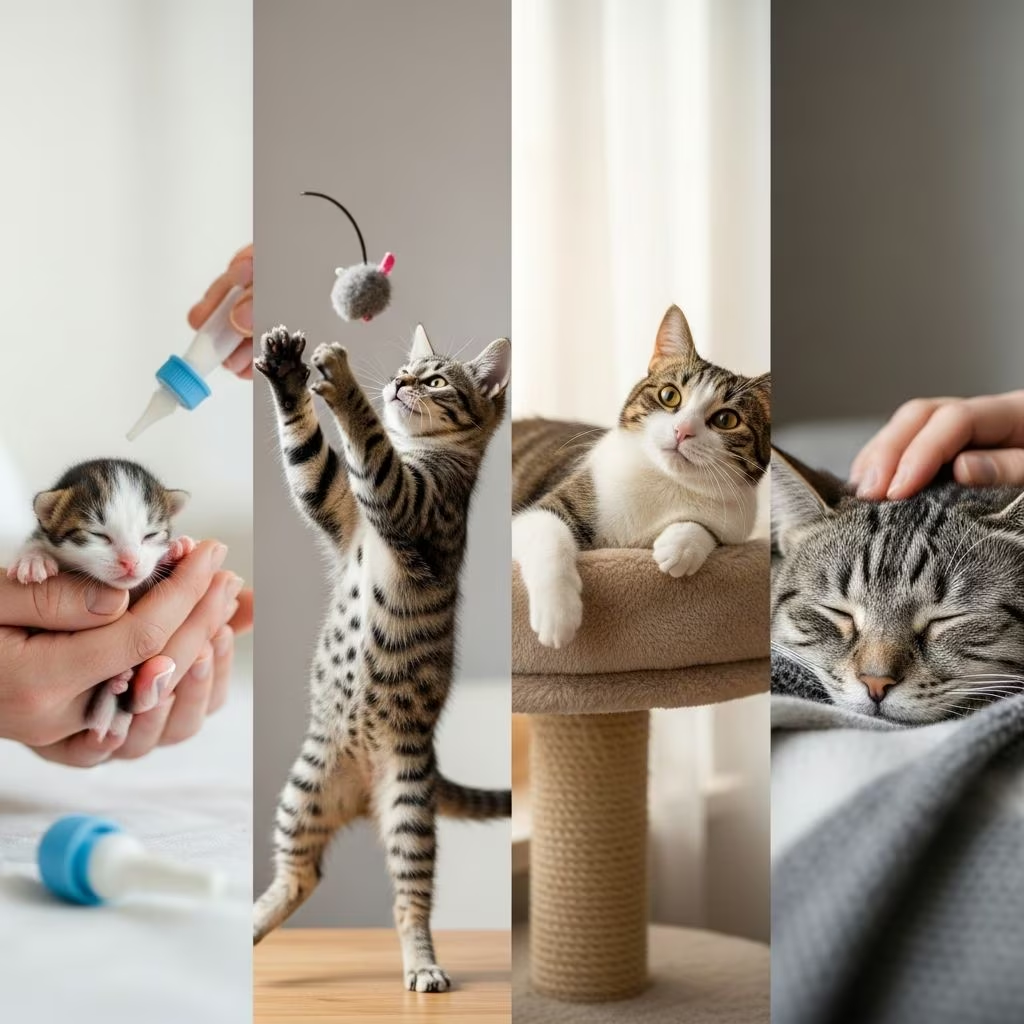
Cats experience distinct phases of growth, maturity, and aging, each demanding specific attention to diet, exercise, veterinary care, and environmental needs. Understanding these stages enables pet owners to provide optimal support, fostering a healthier and more fulfilling life for their companions. This guide outlines key considerations for every period, drawing from veterinary recommendations to help you navigate your cat’s journey.
Understanding Feline Development Phases
A cat’s lifespan typically spans 15-20 years or more, divided into phases that reflect physiological and behavioral shifts. Veterinary organizations like the American Animal Hospital Association (AAHA) and American Association of Feline Practitioners (AAFP) classify these as kitten (birth to 1 year), young adult (1-6 years), mature adult (7-10 years), senior (11+ years), and end-of-life. These divisions account for rapid early growth, peak vitality, subtle declines, and age-related vulnerabilities. Regular monitoring and adjustments in care are crucial as needs evolve.
Nurturing the Kitten: Birth to 1 Year
The kitten phase is marked by explosive growth and socialization. From birth to 16 weeks, kittens wean from mother’s milk, exploring their world with high energy. Provide frequent health exams, initial vaccinations, parasite checks, and deworming. A high-quality growth diet supports development, while positive interactions with humans and pets build confidence.
Between 6-12 months, growth slows, and sexual maturity emerges. Introduce grooming routines like brushing and nail trims to reduce future stress. Spay or neuter non-breeding cats to prevent behaviors like spraying. Play is vital for physical coordination and mental stimulation—use toys mimicking prey to channel instincts.
- Daily play sessions: 15-20 minutes to prevent obesity and boredom.
- Litter training: Use shallow boxes with clumping litter; praise successes.
- Heartworm and flea prevention: Start early for lifelong protection.
By year’s end, kittens transition to adult food gradually, ensuring nutritional balance.
Prime Years: Young Adult Cats (1-6 Years)
Young adults reach full size with boundless energy, equivalent to human teens to young adults. Maintain bi-annual vet exams, booster vaccines, and dental care to avert periodontal disease. Regular grooming keeps coats healthy, and interactive play promotes muscle tone.
This stage may bring inter-cat aggression or territoriality, especially in multi-pet homes. Redirect energy through scheduled play and enrichment like scratching posts. Monitor weight, as indoor lifestyles increase obesity risk—aim for lean body condition via portion control and activity.
| Key Focus Areas | Recommendations |
|---|---|
| Exercise | Twice-daily sessions with wand toys or laser pointers. |
| Diet | High-protein adult formula; avoid free-feeding. |
| Health Screens | Flea/tick prevention, annual bloodwork if at risk. |
Socialization continues; expose to carriers and car rides for stress-free vet visits.
Mature Adulthood: 7-10 Years
Mature cats slow down, akin to human middle age, with potential weight gain and reduced play. Equivalent to 44-56 human years, they need diet tweaks for maintenance, emphasizing fiber for digestion and joint support. Bi-annual vet checks screen for early kidney or thyroid issues.
Grooming intensifies as self-care wanes; brush weekly to prevent mats. Encourage gentle exercise via puzzle feeders or low-impact toys. Behavioral shifts like increased vocalization signal discomfort—consult vets promptly.
- Professional dental cleanings: Essential to combat plaque buildup.
- Weight management: Transition to senior formulas if overweight.
- Environmental adaptations: Ramps for high perches.
Senior and Geriatric Care: 11 Years and Beyond
Seniors (11-14 years) mirror human 60s-70s, sleeping more and moving stiffly. Geriatrics (15+) face arthritis, cognitive decline, and organ failure risks. Every six months, vets perform comprehensive exams with bloodwork, urinalysis, and imaging for early detection.
Nutrition shifts to easily digestible, calorie-controlled food with added omega-3s for joints and antioxidants for immunity. Hydration is critical—fountain bowls encourage drinking to prevent kidney strain. Soft bedding and low-entry litter boxes ease mobility.
| Common Senior Issues | Management Strategies |
|---|---|
| Arthritis | Joint supplements, heated beds, physical therapy. |
| Kidney Disease | Prescription diets, subcutaneous fluids if needed. |
| Hyperthyroidism | Medication, iodine-restricted food. |
Mental stimulation via food puzzles combats dementia-like symptoms.
End-of-Life Considerations
When quality of life diminishes—marked by persistent pain, appetite loss, or immobility—humane euthanasia offers dignity. Discuss signs with vets: the AAHA guidelines emphasize comfort-focused care. Home hospice with pain meds and familiar surroundings eases the transition.
Nutrition Across Ages
Diet evolves with stages: kittens need 2-3x adult calories for growth; adults prioritize protein (30-40%); seniors require lower phosphorus for kidneys. Always transition foods over 7-10 days to avoid GI upset. Wet food boosts hydration, vital for all ages but especially seniors.
- Kitten: Frequent small meals of DHA-rich kibble/wet mix.
- Adult: Measured portions twice daily.
- Senior: Palatable, softened textures.
Preventive Healthcare Essentials
Vaccinations, parasite control, and dental hygiene form the backbone. Core vaccines (rabies, FVRCP) continue lifelong, boosters per lifestyle. Microchipping aids lost pet recovery. Annual fecal tests detect worms early.
Behavioral and Environmental Tips
Tailor environments: vertical spaces for kittens/adults, ground-level for seniors. Pheromone diffusers calm anxious cats. Multi-cat homes need resources per cat plus one (litter boxes, bowls).
Common Health Challenges by Stage
| Stage | Challenges | Prevention |
|---|---|---|
| Kitten | Parasites, socialization gaps | Deworming, handling |
| Young Adult | Obesity, aggression | Play, neutering |
| Mature | Weight gain, dental disease | Diet control, cleanings |
| Senior | Organ failure, mobility loss | Screens, supplements |
Frequently Asked Questions
How often should I take my cat to the vet?
Kittens and adults: annually or bi-annually; seniors: every 6 months.
When to switch from kitten to adult food?
Around 12 months, gradually over a week.
What are signs of pain in senior cats?
Hiding, reduced grooming, litter avoidance, vocalizing.
Is wet food better than dry?
Wet aids hydration; combine for balance.
How to keep indoor cats fit?
Interactive toys, climbing trees, scheduled hunts.
References
- The Four Life Stages of a Cat – Cat Friendly Homes — Cat Friendly Homes. 2023. https://catfriendly.com/life-stages/
- Life Stages Of A Cat [Infographic] — ASPCA Pet Insurance. 2025-05. https://vet.aspcapetinsurance.com/cms/wp-content/uploads/2025/05/ASPCA_CatLifeStages_Infographic_Final_NM.pdf
- 2021 AAHA/AAFP Feline Life Stage Guidelines — American Association of Feline Practitioners. 2021. https://catvets.com/resource/aaha-aafp-feline-life-stage-guidelines/
- 2021 AAHA/AAFP Feline Life Stage Guidelines [PDF] — American Animal Hospital Association. 2021. https://www.aaha.org/wp-content/uploads/globalassets/02-guidelines/feline-life-stage-2021/2021-aaha-aafp-feline-life-stage-guidelines.pdf
- Cat Life Stages & Behavior by Age — Fresh Step. Accessed 2026. https://www.freshstep.com/cat-care/the-6-life-stages-of-your-feline/



