

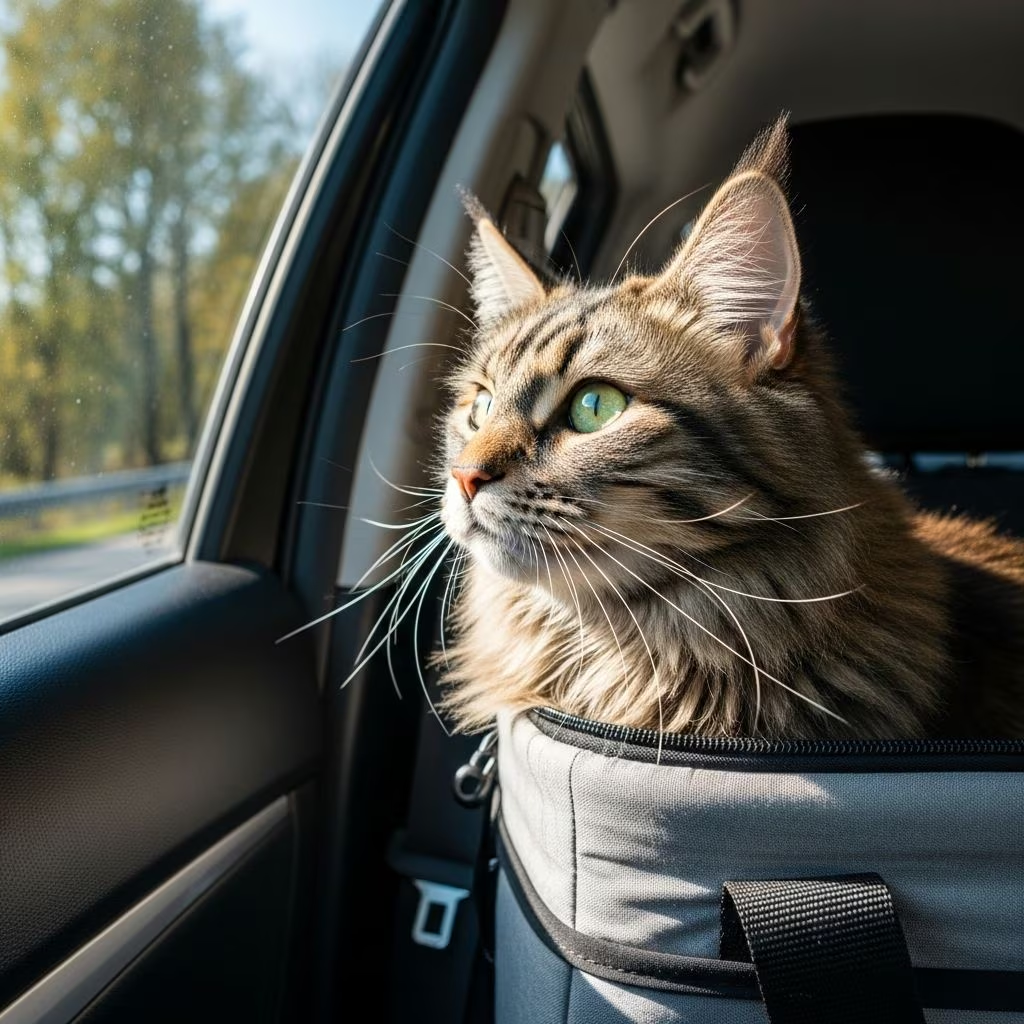
5 Tips to Help Your Cat Love Car Rides and Carriers
For many cat owners, getting their feline companion into a carrier can feel like an impossible task. The sound of the carrier being taken out of the closet often sends cats scrambling to find hiding spots, and the anxiety associated with car rides can be overwhelming for both pets and their owners. However, with patience, proper training, and the right approach, you can help your cat view carriers and car travel in a completely different light. This comprehensive guide will walk you through five essential tips to transform your cat’s relationship with carriers and make car rides a stress-free experience.
Tip 1: Make the Carrier a Positive Part of Your Home Environment
The foundation of successful carrier training begins long before you actually need to transport your cat anywhere. Many cats develop carrier anxiety because they only see the carrier when it’s time for an unpleasant trip to the veterinarian. To change this association, you need to reframe how your cat perceives the carrier itself.
Leave the Carrier Out Permanently
Rather than storing your cat’s carrier in a closet or storage area, leave it out in a common area where your cat spends time regularly. Position it somewhere accessible and safe, such as a bedroom, living room, or any area where your cat enjoys spending time. If possible, remove the door or secure it so it won’t swing shut unexpectedly, as this can startle your cat and create negative associations.
Create an Inviting Space
Make the carrier appealing by adding comfortable bedding, toys, or blankets inside. You can also place treats throughout the carrier for your cat to discover on their own terms. Consider spraying the carrier with feline pheromone products like Feliway, which have been shown to have some effect in relieving stress in cats.
Associate the Carrier with Rewards
Begin by tossing treats near and around the carrier while your cat is at a distance. Gradually move the treats closer to the carrier entrance as your cat becomes more comfortable. The key is to allow your cat to approach the carrier on their own terms without any pressure or force. This voluntary engagement helps your cat understand they won’t be forced into a scary situation.
Tip 2: Use Food and Treats as Powerful Training Tools
Food is one of the most effective motivators for cat training, and strategic use of treats and meals can dramatically accelerate your cat’s carrier comfort level.
Feed Meals Near the Carrier
Start by placing your cat’s regular food bowl in front of the carrier during meal times. If your cat seems anxious about eating near the carrier, place the bowl further away initially and gradually move it closer over several meals. This creates a positive association between feeding time—something your cat already enjoys—and the carrier’s presence.
Move Food Inside Gradually
Once your cat eats comfortably in front of the carrier, begin placing the food bowl slightly inside the carrier entrance. Over the course of several meals, gradually move the bowl deeper into the carrier so your cat must enter completely to eat. This method is highly effective because it allows your cat to build confidence at their own pace.
Use Treat Rewards for Specific Behaviors
Implement a training method called “shaping,” which breaks down the desired behavior (entering the carrier) into smaller, easier steps. Reward each small progression: looking toward the carrier, looking inside, approaching, and finally entering. When your cat fully enters the carrier, provide a “treat jackpot”—a larger quantity of treats all at once—to reinforce this major milestone.
Keep Training Sessions Short
Cats have shorter satiation thresholds than dogs, meaning they become satisfied with food more quickly. Keep training sessions to just one to two minutes, using only five or six treats per session. You can easily incorporate two short training sessions daily into your routine—such as before each regular feeding time.
Tip 3: Gradually Acclimate Your Cat to Carrier Doors and Confinement
Once your cat is comfortable entering the carrier, the next crucial step is desensitizing them to having the door closed. This requires a slow, methodical approach that respects your cat’s comfort level.
Begin with Hand Movements Near the Door
Before attempting to close the door, slowly begin reaching your hand toward the door while your cat is engaging with or inside the carrier. Make sure your cat can see you and isn’t facing away, as cats can feel trapped when their back is turned to you. If your cat shows signs of stress—flinching, fidgeting, or freezing—immediately stop and remove your hand.
Practice with the Latch Mechanism
Introduce your cat to the sound and sensation of the latch before closing the door. While your cat is relaxed and facing toward the carrier, sit next to it and squeeze the latch mechanism while simultaneously tossing a treat. After several repetitions, make the latch sound again but delay the treat for a moment, allowing your cat to associate the sound with a positive reward.
Progressively Close the Door
Begin closing the door for just 1-3 seconds while your cat remains inside. Pause for 5-10 seconds before opening it fully and reward your cat for staying calm. Gradually increase the duration the door stays closed, always rewarding calm behavior both during closure and upon opening. This incremental approach prevents overwhelming your cat and builds genuine confidence.
Add the Latch
Once your cat is comfortable with the door being closed, begin latching it for one second while continuing to reward calm behavior. Unlock and open the door, allowing your cat to exit if desired. Slowly increase the duration of the latched door at a pace your cat is comfortable with.
Tip 4: Introduce Movement and Car Exposure in Controlled Steps
Once your cat is comfortable being confined in the carrier with the door closed, the next phase involves building comfort with movement and car travel.
Practice Lifting and Carrying
Start by lifting the carrier just a few inches off the ground while your cat is inside. Reward your cat for remaining calm. Gradually increase the height, eventually lifting the carrier several feet off the floor and holding it fully off the ground. Begin walking around slowly while carrying the carrier, continuing to provide treats and positive reinforcement.
Use Coverings to Reduce Stress
Place a towel or blanket over the carrier to block your cat’s visual access to their surroundings. This covering can lower stress during travel and in veterinary waiting rooms, and may even help prevent motion sickness. You can enhance this by spraying the towel with feline pheromones before your cat enters. Note that you may need to repeat earlier training phases when introducing the towel, though your cat should progress faster through steps they already know.
Take Short Practice Rides
Begin with very brief car rides without any specific destination—just sit in the parked car with your cat in the carrier and offer treats. Gradually progress to short drives around the neighborhood. These practice trips help prevent your cat from associating the carrier solely with veterinary visits, which are often stressful.
Tip 5: Remain Patient and Adjust Your Approach Based on Your Cat’s Progress
Understanding individual differences in learning pace is crucial for successful carrier training.
Recognize Individual Timelines
The duration of training varies significantly depending on your cat’s age and prior experience. A kitten being introduced to carrier training for the first time might become comfortable in just a few days. However, an adult cat with established negative associations—having learned that the carrier leads to stressful veterinary visits—may require several months of consistent, patient training. This extended timeline still represents only a few minutes of training daily, which is very manageable.
Monitor Body Language Carefully
Pay close attention to your cat’s body language throughout the training process. Signs of stress include tail tension, ear position changes, dilated pupils, and withdrawal behaviors. If you notice these signs, pause the training and return to the previous step where your cat felt comfortable. Moving too quickly causes setbacks that can take additional time to overcome.
Maintain Consistency and Regular Practice
Once your cat becomes comfortable with carriers and car travel, continue practicing occasionally to maintain their comfort level. Ongoing positive experiences prevent regression and help your cat maintain their improved associations.
Additional Strategies for Success
Use Positive Reinforcement Throughout
Positive reinforcement, where your cat learns that certain behaviors earn rewards, is the most effective training method. This operant conditioning approach means your cat will naturally want to repeat behaviors that result in treats, praise, or play.
Choose Appropriate Carrier Features
Select a carrier that is comfortable and appropriately sized for your cat. Top-loading carriers often feel less threatening than front-loading models. Ensure the carrier has adequate ventilation and comfortable bedding.
Plan for Emergencies
Learning carrier comfort isn’t just about routine vet visits—it’s essential for emergency situations. A cat trained to enter a carrier willingly can be evacuated quickly in case of hurricanes, fires, or other emergencies. This makes carrier training a crucial part of disaster preparedness.
Frequently Asked Questions About Cat Carriers and Car Rides
Q: How long does carrier training typically take?
A: Timeline varies based on your cat’s age and prior experience. Kittens may adapt in just a few days, while adult cats with previous negative experiences may require several months of consistent daily training (usually just 1-2 minutes per day).
Q: What if my cat refuses to enter the carrier even with treats?
A: Start smaller by rewarding your cat for simply looking at the carrier or approaching it. Break the training into even smaller steps. Some cats need to progress very gradually—reward for putting one paw in, then both front paws, then deeper inside.
Q: Can I use the same treats throughout training?
A: Using higher-value treats as you progress through training phases is recommended. Reserve special treats for challenging steps to maintain your cat’s motivation and enthusiasm.
Q: Is it safe to cover the carrier with a blanket during car travel?
A: Yes, covering the carrier with a breathable blanket or towel can reduce your cat’s stress and help prevent motion sickness by limiting visual stimuli, as long as proper ventilation is maintained.
Q: What should I do if my cat shows signs of severe anxiety in the carrier?
A: If your cat shows extreme distress, pause training and consult with your veterinarian. They may recommend anxiety-reducing medications, supplements, or referral to a feline behavior specialist for additional guidance.
Q: Can adult cats really learn to enjoy carriers?
A: Absolutely. While adult cats may take longer than kittens, they can definitely learn to tolerate and even enjoy carriers through patient, consistent positive reinforcement training.
Q: How often should I practice car rides once my cat is trained?
A: Continue occasional short practice rides to maintain your cat’s comfort level and prevent regression to previous anxiety behaviors.
References
- Training Tips: Carrier Training Cats — San Diego Humane Society. 2024. https://sdhumane.org/resources/training-tips-carrier-training-cats/
- Teaching Your Cat to Love Their Carrier — CattleDog Publishing. 2024. https://cattledogpublishing.com/blog/teaching-your-cat-to-love-their-carrier/
- Teach Your Cat To Go Into A Carrier—Without A Struggle — Fear Free Happy Homes. 2024. https://www.fearfreehappyhomes.com/teach-your-cat-to-go-into-a-carrier-without-a-struggle/
- Teaching Your Cat to Ride in a Carrier — ASPCApro. 2020. https://www.aspcapro.org/
- Teach Your Cat to Love the Carrier — Wisconsin Humane Society. 2024. https://www.wihumane.org/behavior/ask-the-experts/cat-behavior/teach-your-cat-to-love-the-carrier



