

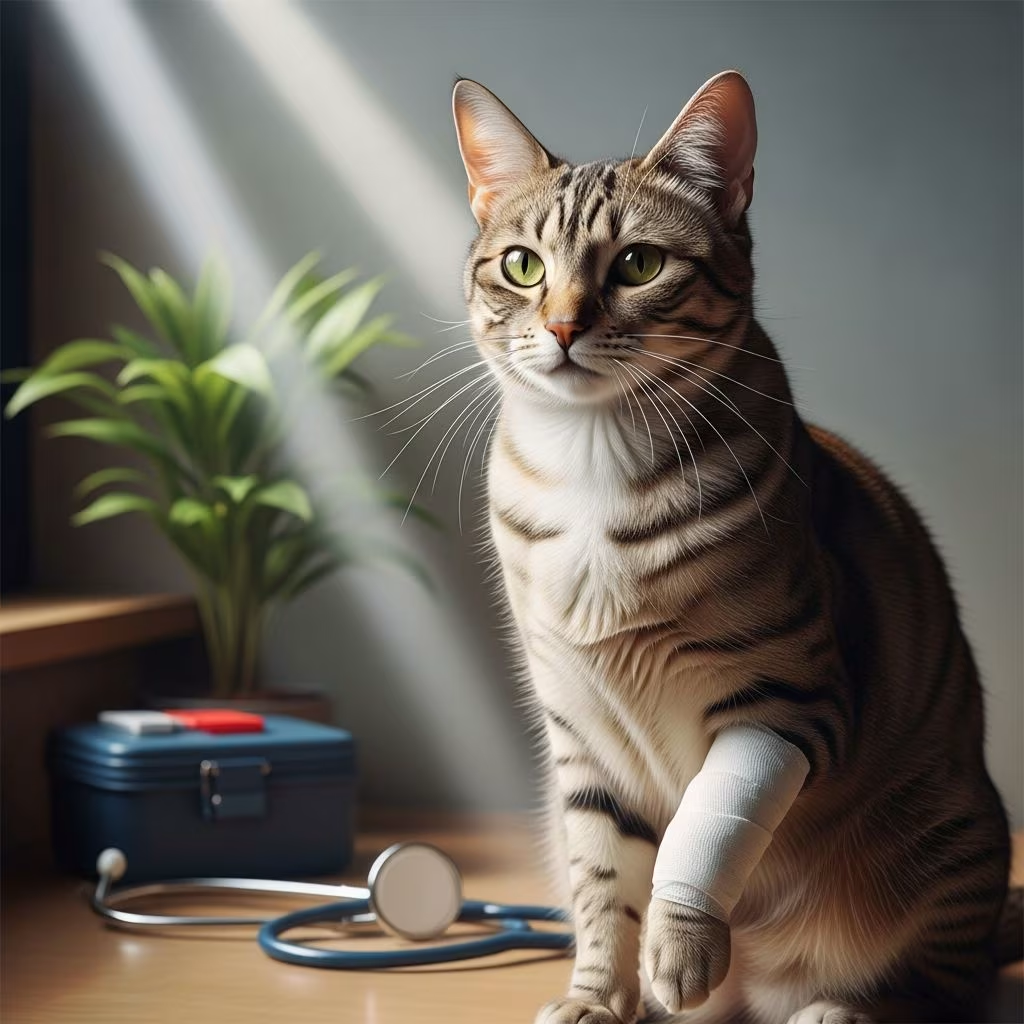
Cancer is a serious health concern for cats, affecting thousands of feline companions each year. Understanding the signs, types, and available treatment options can help cat owners make informed decisions about their pet’s care and quality of life. Modern veterinary oncology has made significant advances in treating feline cancer, offering multiple therapeutic approaches tailored to each cat’s specific condition.
Understanding Cancer in Cats
Cancer develops when cells in the body grow abnormally and uncontrollably. In cats, cancer can affect virtually any organ or tissue system, from the skin to internal organs. The disease can range from localized tumors that affect only one area to systemic cancers that spread throughout the body. Early detection and intervention significantly improve treatment outcomes and quality of life for affected cats.
Most Common Types of Cancer in Cats
Certain cancers are diagnosed more frequently in cats than others. Recognizing these common types can help owners understand their cat’s diagnosis and what to expect from treatment.
Lymphoma
Lymphoma is the most frequently diagnosed cancer in cats, affecting lymphoid tissues such as lymph nodes, the gastrointestinal tract, and kidneys. This cancer develops in the cells of the immune system and can manifest in different forms depending on which organs are involved.
Cats with lymphoma typically exhibit symptoms including weight loss, vomiting, diarrhea, and decreased appetite. Small cell gastrointestinal lymphoma is a common presentation and often responds well to treatment. The prognosis for lymphoma varies based on the type and stage at diagnosis, but many cats respond positively to chemotherapy.
Squamous Cell Carcinoma (SCC)
Squamous cell carcinoma is the most common oral tumor in cats, particularly affecting white cats and those with prolonged sun exposure. This aggressive cancer typically presents as non-healing mouth ulcers, facial swelling, bad breath, drooling, and difficulty eating. The skin forms of SCC, especially on the ears or nose, are frequently linked to sun exposure.
SCC is locally aggressive and can invade bone, often necessitating surgery or radiation for management. Unfortunately, very few cats with SCC can be cured, so treatment focuses on maintaining an excellent quality of life for as long as possible.
Fibrosarcoma
Fibrosarcoma is a cancer of soft tissues including muscle and connective tissue. This tumor type is locally invasive but slow to metastasize (spread to other parts of the body). Owners typically notice a skin mass that does not initially appear to cause pain or discomfort. As the disease advances, cats may become dehydrated, lethargic, or lose their appetite.
Surgical removal at the earliest possible opportunity is the most effective therapy for fibrosarcoma. If the tumor is very small, complete surgical excision may be curative. For larger tumors or when there is evidence of lymph node involvement, post-surgical chemotherapy may be recommended.
Other Common Cancers
Additional cancer types affecting cats include mast cell tumors (the most common malignant skin tumors in cats), mammary gland tumors, ovarian tumors, and uterine cancers. Uterine tumors are rare in cats and typically affect middle-aged and older cats, with treatment involving surgical removal of the uterus (ovariohysterectomy).
Recognizing the Symptoms of Cancer in Cats
Cancer in cats can present with a variety of symptoms that often overlap with other health conditions. Recognizing these signs early is crucial for timely diagnosis and treatment.
Common symptoms of feline cancer include:
- Abnormal lumps or masses under the skin or in the mouth
- Non-healing sores or ulcers that persist despite treatment
- Weight loss and reduced appetite, which may develop gradually or rapidly
- Lethargy and behavioral changes, including hiding or decreased activity
- Drooling, bad breath, or difficulty eating, particularly with oral cancers
- Enlarged lymph nodes that can be felt under the skin
- Changes in urination or defecation patterns
- Bleeding or discharge from unusual sites
- Unexplained lameness or limping, particularly with bone tumors
- Difficulty breathing or other respiratory changes
- Changes in fur quality, appearing shabby or rough
Any persistent changes in your cat’s health, behavior, or appearance warrant a veterinary evaluation. While these symptoms can indicate other conditions, professional diagnosis is essential to rule out or confirm cancer.
How Cancer is Diagnosed in Cats
The first key to cancer treatment is proper diagnosis. Veterinarians employ several diagnostic methods to confirm cancer and determine its type, stage, and extent.
Diagnostic procedures typically include:
- Physical examination, where the veterinarian palpates the body for lumps, masses, or other abnormalities
- Blood work and laboratory tests to assess organ function and identify abnormalities
- Diagnostic imaging such as radiography (X-rays) or ultrasound to visualize internal organs and tumors
- Advanced imaging including CT or MRI scans for detailed visualization of tumors and surrounding tissues
- Fine needle aspiration, a biopsy technique where a needle is inserted into the tumor to collect cells for analysis
- Tissue biopsy sent to laboratories for definitive diagnosis and tumor characterization
These diagnostic tools help veterinarians determine the cancer type, stage, and whether it has spread to other areas of the body—all critical information for developing an appropriate treatment plan.
Treatment Options for Feline Cancer
Treatment for cancer in cats varies greatly depending on the location, type, and stage of the cancer. There are three basic types of treatment available, often used in combination to maximize effectiveness.
Surgery
Surgery is often the primary treatment for localized, resectable tumors, aiming for clean surgical margins. Surgical removal is appropriate when tumors are small, well-defined, and have not yet spread to other areas. For certain soft tissue sarcomas, amputation of an affected limb may be recommended if it offers the best chance for complete tumor removal and quality of life.
Surgical treatment is the most effective approach for fibrosarcoma when performed early. For mammary gland tumors, surgically removing the mass, especially if small, is often the most effective treatment. In some cases, such as oral squamous cell carcinoma, sections of the upper or lower jaw may be removed to prevent the cancer from invading deeper structures.
Chemotherapy
Chemotherapy uses anti-cancer drugs to kill cancer cells throughout the body and is often administered by injection or orally. It is particularly useful for cancers that have already spread or cannot be surgically removed. Chemotherapy is frequently recommended following surgery to eliminate remaining cancer cells and reduce recurrence risk.
Cats tolerate chemotherapy remarkably well, with most experiencing minimal side effects. Approximately 70% of cats treated with chemotherapy for lymphoma experience remission. Serious side effects occur in less than 5% of treated cats. When side effects do occur, they may include nausea, vomiting, loss of appetite, diarrhea, tiredness, or increased infection risk. Unlike humans, cats do not lose their hair but may lose their whiskers and experience changes in fur texture.
Chemotherapy protocols are tailored for feline tolerance, with agents such as lomustine, methotrexate, and cytarabine showing efficacy and reasonable tolerability, especially when used as rescue treatments for lymphoma.
Radiation Therapy
Radiation therapy uses targeted beams of radiation to kill cancer cells and may be suggested for tumors that cannot be surgically removed or to complement surgical treatment for incompletely resected tumors. This treatment is often the choice for certain cancers and can produce remission lasting one to two years.
Additional Treatment Approaches
Beyond the three primary treatments, several complementary and emerging therapies are available:
- Immunotherapy uses your cat’s immune system to fight cancer and represents a relatively new treatment option in veterinary medicine
- Photodynamic therapy combines light and light-sensitive substances to destroy cancerous tissue
- Acupuncture may provide pain management and support during cancer treatment
- Nutritional therapy addresses dietary needs during and after cancer treatment
- Palliative care focuses on comfort and quality of life for cats unable to undergo intensive treatment
Combined Treatment Approaches
A combination of treatments is often suggested for cats with cancer. For example, surgery to remove the tumor followed by chemotherapy can help ensure all cancerous cells have been removed or destroyed. This multimodal approach frequently produces better outcomes than single-treatment strategies.
Your veterinarian will recommend a treatment plan based on your cat’s specific cancer type, stage, overall health status, and your preferences regarding treatment intensity and duration.
Palliative and Supportive Care
Some cats may not be healthy enough to withstand intensive cancer treatment. In these cases, palliative care may be used to keep them comfortable. This compassionate approach prioritizes quality of life and symptom management.
Palliative care may include:
- Pain and anti-inflammatory medications
- Specialized diet formulations
- Fluid therapy
- Blood transfusions when necessary
- Medication to manage nausea and appetite loss
Quality of life remains paramount in cancer treatment decisions. If your cat is suffering, your veterinarian may recommend euthanasia as the kindest option. Discussing these difficult decisions with your veterinarian ensures your cat’s comfort and dignity throughout their care.
Frequently Asked Questions About Cat Cancer
Q: What is the prognosis for cats with cancer?
A: The prognosis varies greatly depending on cancer type, stage at diagnosis, and the cat’s overall health. Some cancers, like small cell lymphoma, respond well to treatment with remission rates around 70%. Others, like oral squamous cell carcinoma, are more challenging to treat, and the focus shifts to maintaining quality of life rather than achieving a cure.
Q: Will chemotherapy cause my cat to lose their hair?
A: Unlike humans, cats do not lose the hair on their body from chemotherapy. However, they may lose their whiskers and experience changes in fur texture. Overall, most cats tolerate chemotherapy well with minimal side effects.
Q: How much does cancer treatment for cats cost?
A: Cancer treatment costs vary widely depending on the type of cancer, treatment chosen, and your geographic location. Surgery may range from hundreds to several thousand dollars, chemotherapy protocols typically cost several hundred to a few thousand dollars, and radiation therapy can be quite expensive. Discuss costs and financing options with your veterinarian or oncology specialist.
Q: Should I see a veterinary oncologist?
A: Some treatments are widely available in primary care practice, while others are only available at specialist centers.[10] Depending on your cat’s cancer type, your veterinarian may suggest referring your cat to a specialist with expert knowledge and a greater range of treatment options.[10]
Q: What can I do to support my cat during cancer treatment?
A: Provide a comfortable, quiet space for rest, maintain regular veterinary appointments, follow medication instructions carefully, offer supportive nutrition, and monitor for side effects or changes in condition. Most importantly, offer your cat love and companionship throughout their treatment journey.
Q: Can cancer in cats be prevented?
A: While not all cancers can be prevented, some risk factors can be reduced. Limiting sun exposure for outdoor cats, particularly white cats prone to skin cancer, maintaining healthy weight, and providing preventive healthcare may help reduce certain cancer risks.
Moving Forward with Your Cat’s Cancer Diagnosis
Receiving a cancer diagnosis for your beloved cat is emotionally challenging. However, advances in veterinary oncology mean you now have more treatment options than ever before. Fortunately, we do know more about cancer in cats now than we ever have before and because of this, you now have more options than ever when pursuing cat cancer treatment.
Work closely with your veterinarian to understand your cat’s specific condition, explore available treatment options, and develop a care plan that aligns with your cat’s needs and your family’s circumstances. Whether pursuing aggressive treatment, palliative care, or a combination approach, the goal remains ensuring your cat’s comfort, dignity, and quality of life.
References
- Cancer in Cats: Types, Causes, and Treatment — PetMD. 2025. https://www.petmd.com/cat/conditions/cancer/cancer-cats
- Diagnosis and Treatment of Cancer in Cats — Valley West Veterinary Hospitals. 2025. https://www.valleywestvets.com/services/cats/cat-cancer
- Cancer in Cats: Common Types, Symptoms, Diagnosis, and Treatment — OncoDaily. 2025. https://oncodaily.com/oncolibrary/cancer-in-cats
- Common Cancers In Cats — Flint Animal Cancer Center, Colorado State University. 2019. https://www.csuanimalcancercenter.org/2019/11/20/common-cancers-in-cats/
- Cancer in Cats | Signs, Types and Treatment — Blue Cross. 2025. https://www.bluecross.org.uk/advice/cat/health-and-injuries/coping-with-cancer-in-cats
- Cancer In Cats: Types, Symptoms And Treatments — Gaithersburg Veterinary Clinic. 2022. https://www.vravet.com/site/blog/2022/04/22/cancer-in-cats-types-symptoms-and-treatments
- Pet Cancer In Cats — PetCure Oncology. 2025. https://petcureoncology.com/cancer-in-cats/



