

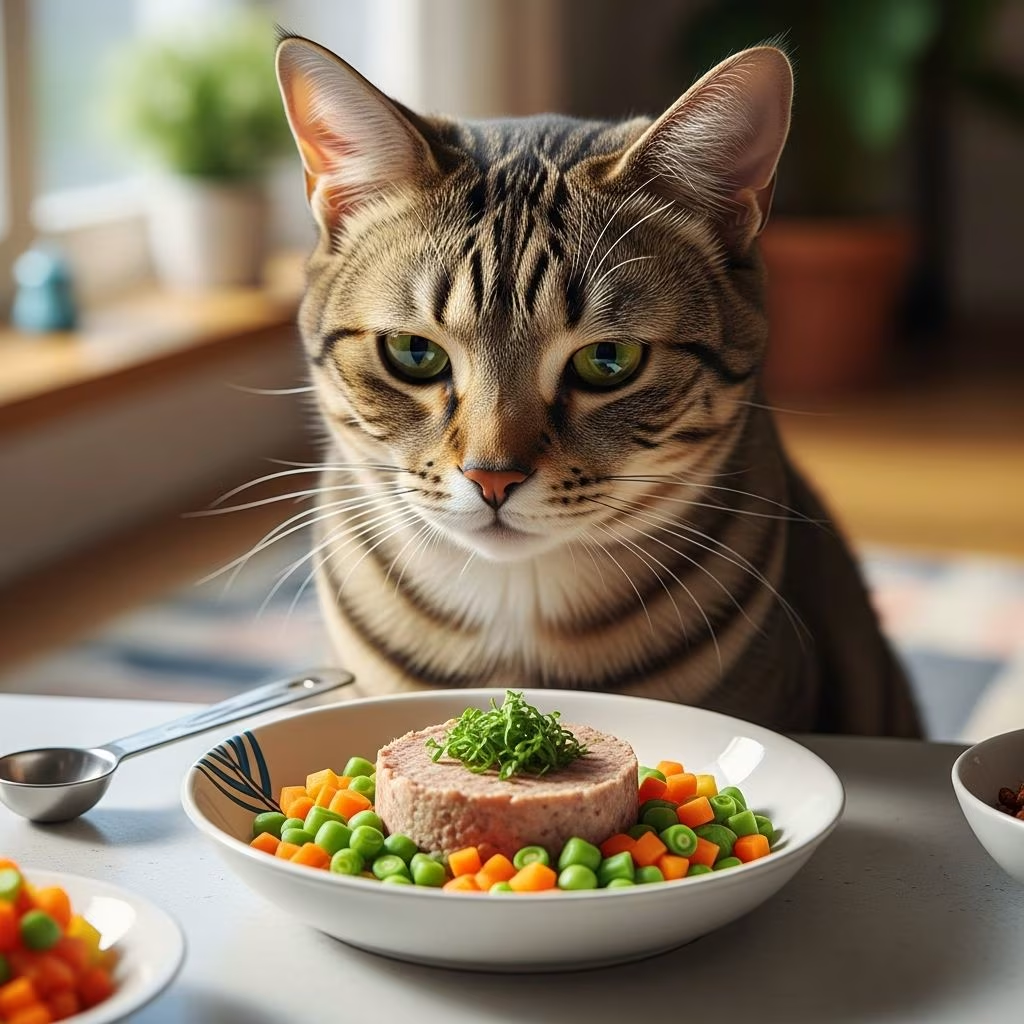
Cats with cancer often face challenges like weight loss, reduced appetite, and treatment side effects that impact nutrition. A tailored **cat cancer diet** focuses on high palatability, energy density, and balanced nutrients to support the immune system, maintain muscle mass, and improve quality of life during oncology treatments. Veterinary guidance is essential, as individual needs vary based on cancer type, stage, and therapies like chemotherapy or radiation.
Why Nutrition Matters for Cats with Cancer
Cancer induces **cachexia**, a wasting syndrome causing muscle and fat loss despite adequate calorie intake. This affects up to 50-75% of feline cancer patients, exacerbating weakness and reducing treatment tolerance. Proper nutrition counters this by providing high-quality proteins (>35% dry matter), fats (>20% dry matter), and omega-3 fatty acids to combat inflammation. Studies show no survival benefit from low-carb diets, as cancer cells adapt to use fats and proteins. Instead, prioritize diets your cat will eat consistently to prevent malnutrition.
Key goals include maintaining body weight, ensuring complete nutrient balance (over 35 essential nutrients for cats), and adapting to treatment side effects like nausea or mouth sores. Commercial diets are preferred over homemade, as cats require taurine and other amino acids deficient in unbalanced recipes.
Core Principles of a Cat Cancer Diet
- High Protein and Fat: Aim for diets with >35% protein and >20% fat on dry matter basis to support muscle preservation and provide calories in smaller volumes.
- Increased Energy Density: Higher calorie foods (e.g., kitten formulas or oncology-specific like Hill’s Onc Care) allow intake without overfilling the stomach.
- Palatability: Warm food, add low-sodium broth, or switch textures (wet vs. dry) to entice eating.
- Avoid Raw Diets: Risk of bacterial contamination (Salmonella) compromises immunocompromised cats during chemo.
- No Grain-Free Extremes: Linked to taurine deficiency and heart disease (DCM).
Debunking Low-Carb Myths
Some advocate **low-carbohydrate diets** to “starve” cancer cells of glucose, based on outdated research. However, studies in lymphoma patients show no difference in remission or survival between high-carb and high-fat diets. Cats naturally eat low-carb (e.g., prey is ~2% carbs), but forcing ultra-low carbs risks imbalance and weight loss. Focus on balanced commercial foods over restrictive fads.
Recommended Foods and Supplements
Select **AAFCO-complete** commercial diets: wet/canned for hydration, kibble for dental health, or therapeutic lines like Hill’s Prescription Diet or Purina Pro Plan Veterinary Diets. For weight maintenance, calculate daily calories: ~90% from meals, 10% treats.
| Diet Type | Benefits | Examples |
|---|---|---|
| High-Calorie Wet Food | Hydration, easy digestion, small volumes | Kitten food, oncology formulas |
| High-Protein Dry | Muscle support, convenience | Hill’s Onc Care dry |
| Omega-3 Enriched | Anti-inflammatory, cachexia reversal | Fish oil (EPA/DHA) |
Omega-3 Fatty Acids (EPA/DHA): Evidence supports supplementation (e.g., 40-100mg/kg EPA) to enhance treatment response and reduce inflammation in cachexia. Veterinary fish oils are palatable and safe; avoid human versions.
Antioxidants: Controversial—may interfere with chemo/radiation. Food sources (blueberries, spinach—cat-safe) are safer than supplements.
Feeding During Cancer Treatments
Chemotherapy
Chemo causes nausea, vomiting, diarrhea in 10-30% of cats. Offer small, frequent meals (4-6/day), anti-nausea meds (e.g., Cerenia), and bland foods like boiled chicken/rice temporarily. Monitor hydration; subcutaneous fluids may be needed. Appetite stimulants like mirtazapine boost intake.
Radiation Therapy
Side effects depend on site: head/neck (salivary changes, ulcers), chest (nausea), abdomen (diarrhea). Fast appropriately for anesthesia but provide nutrient-dense recovery meals. High-energy kibble/wet post-treatment minimizes volume.
Surgery and Palliative Care
Post-op: calorie-dense diets prevent weight loss. For advanced cases, feeding tubes (esophagostomy) deliver nutrition if oral intake fails. Palliative steroids (prednisolone) stimulate appetite.
Practical Feeding Tips for Cats with Cancer
- Small, frequent meals: 4-8x/day to combat nausea.
- Variety: Rotate wet/dry, flavors, temperatures.
- Environment: Quiet feeding area, elevated bowls, hand-feeding.
- Track intake: Weigh food, monitor weight weekly.
- Home-cooked: Only with veterinary nutritionist; balance taurine/arginine.
- Appetite stimulants: Mirtazapine, cyproheptadine per vet.
If intake drops >3 days, seek vet ASAP for tubes/fluids.
Risks of Inappropriate Diets
Homemade/raw diets risk deficiencies (taurine leading to blindness/heart failure) and infections. High-fat without need worsens obesity in some cats, impairing therapy. Always consult vets to avoid unbalancing nutrients.
Monitoring and Veterinary Collaboration
Weigh bi-weekly; adjust calories (e.g., 200-300kcal/day for 4kg cat, increase 20-50% if active/treatment). Bloodwork checks for malnutrition. Specialists like veterinary oncologists/nutritionists tailor plans. New diets like Hill’s Onc Care (2023) offer high omega-3, L-carnitine for energy metabolism.
Frequently Asked Questions (FAQs)
What is the best diet for a cat with cancer?
A high-protein (>35%), moderate-fat (>20%) commercial diet that’s palatable and energy-dense. Examples: oncology therapeutics or kitten food.
Should I feed my cat a low-carb diet for cancer?
No strong evidence supports it; cancer cells adapt. Balanced commercial low-carb is fine, but avoid extremes.
Are omega-3 supplements safe for cats with cancer?
Yes, EPA/DHA reduce inflammation and aid treatment response. Use vet-recommended doses.
Can I feed raw food during cancer treatment?
No, due to bacterial risks like Salmonella in immunocompromised cats.
What if my cat won’t eat during chemo?
Small frequent meals, stimulants, anti-nausea meds, or tubes. Consult vet immediately.
Are homemade diets okay for cancer cats?
Only if formulated by a veterinary nutritionist to ensure balance.
This comprehensive guide empowers cat owners to support their feline’s fight against cancer through informed nutrition. Always partner with your veterinarian for personalized advice.
References
- What should I feed my pet with cancer? — Wear Referrals. 2023. https://www.wear-referrals.co.uk/services/oncology/what-should-i-feed-my-pet-with-cancer
- Feeding Your Cat During Cancer Treatment — VCA Animal Hospitals. 2024-01-14. https://vcahospitals.com/know-your-pet/feeding-the-feline-cancer-patient
- How to Care for a Cat Undergoing Cancer Treatment — PetCareRx. 2023. https://www.petcarerx.com/article/how-to-care-for-a-cat-undergoing-cancer-treatment/6398
- Veterinary Blog: Nutritional Support for Dogs and Cats with Cancer — Vet Education. 2023. https://veteducation.com/nutritional-support-of-dogs-and-cats-with-cancer/
- Nutrition in Pets with Cancer — The Pet Oncologist. 2023. https://www.thepetoncologist.com/blog/nutrition-in-pets-with-cancer
- What diet should we feed a cat or dog with cancer? — Veterinary Practice. 2023. https://www.veterinary-practice.com/article/what-diet-should-we-feed-a-cat-or-dog-with-cancer



