

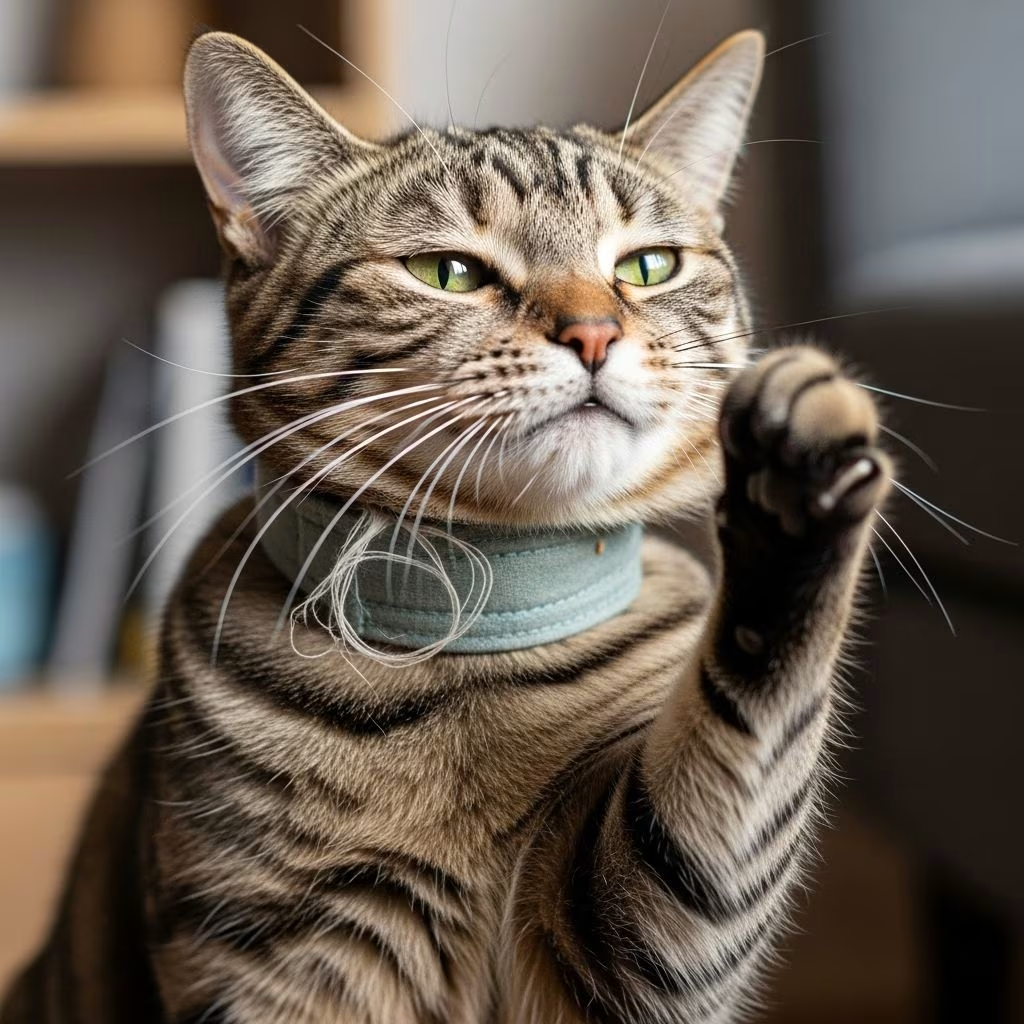
Cat calming collars release synthetic pheromones to mimic maternal scents, aiming to reduce anxiety in felines, but they carry risks like skin reactions and inconsistent results across cats.
Understanding Pheromone Technology in Feline Calming Products
These collars embed synthetic analogs of feline facial pheromones (Feliway Optimum), detected via the vomeronasal organ to signal safety. Unlike sedatives, they target stress without altering personality, yet efficacy varies by individual cat response.
Research shows pheromones can lower stress hormones during events like travel or multi-cat conflicts, promoting relaxation through chemical messaging similar to nursing mothers with kittens. However, not all cats respond, with some studies noting only mild anxiety benefits.
Common Adverse Reactions Reported by Cat Owners
Potential issues include dermatitis from collar materials, with 27.2% of cats in a trial experiencing reactions like itching or fur loss, though not significantly higher than controls. Owners report collar rejection, where cats paw at or remove them, adding stress rather than relief.
- Skin irritation or allergic responses to polymers or pheromones.
- Neck discomfort from stiffness, especially in active cats.
- Hair loss at contact points, mimicking flea allergy patterns.
Monitoring fur and skin weekly is essential; discontinue if redness appears. Dermatologically tested options exist, but sensitivity persists in some breeds.
Effectiveness: What Science Reveals
A randomized controlled study on 491 cats found pheromone collars significantly improved problem urination (P=0.0172), scratching (P=0.0013), and inter-cat conflicts (P=0.0029), with 12.1% lost or removed collars.
Yet, skeptics highlight mixed evidence; one review deemed support weak due to study quality, suggesting placebo or environmental factors at play. Forums echo variability: some cats calm during vet visits, others show no change.
| Behavior Issue | Improvement with Pheromone Collar | P-Value | Control Comparison |
|---|---|---|---|
| Problem Urination | Significant | 0.0172 | Better than control |
| Scratching | Significant | 0.0013 | Better than control |
| Inter-Cat Conflict | Significant | 0.0029 | Better than control |
| Fear Scores | Non-significant | 0.063 | Trend toward improvement |
Pros include drug-free use and travel convenience, but limitations like individual non-response and inferior coverage versus diffusers reduce universal appeal.
Factors Influencing Success Rates
Collars suit mild stressors like introductions or thunderstorms but falter in severe anxiety, where vet-prescribed options outperform. Multi-cat homes see tension reduction, yet single-cat separation cases vary.
Fit matters: loose collars slip, tight ones chafe. Replace every 30 days as pheromone release wanes. Combine with enrichment like toys for amplified effects.
Safer Alternatives for Feline Stress Management
Opt for diffusers covering larger areas without wear issues, or sprays for targeted spots. Natural aids like L-theanine supplements or CBD (vet-approved) offer collar-free calm.
- Pheromone diffusers: Broader dispersal, no skin contact.
- Behavioral training: Desensitization for travel phobia.
- Environmental tweaks: Hiding spots, consistent routines.
- Vet therapies: Anti-anxiety meds for chronic cases.
Holistic approaches, including play therapy, yield sustainable results without hardware.
Best Practices for Introducing a Calming Collar
Consult vets first, especially for kittens under 12 weeks or health-compromised cats. Acclimate gradually: let sniff before fitting, start indoors.
Choose adjustable, breakaway designs to prevent choking. Track behavior via journal: note pre/post changes in marking or aggression.
Long-Term Considerations and Monitoring
Extended use risks tolerance buildup, diminishing effects; rotate with other aids. Annual vet checks rule out underlying issues like hyperthyroidism mimicking anxiety.
Cost-benefit: Collars run $20-40 monthly, justified if reducing vet visits for stress behaviors.
Frequently Asked Questions
Are cat calming collars safe for all felines?
Generally yes for healthy adults, but monitor for irritation; avoid in very young or skin-sensitive cats.
How long until a calming collar works?
Effects may start in 7 days, peaking by 28; full trials last a month.
What if my cat removes the collar?
Try softer materials or diffusers; persistence indicates poor fit or aversion.
Do they work for aggressive cats?
Promising for conflict-related aggression, less for fear-based.
Can I use with medications?
Yes, non-drug; vet confirmation advised.
Expert Guidance on When to Avoid Calming Collars
Skip if cat history includes collar trauma or allergies. Severe cases need professional behaviorists over OTC aids. Prioritize root causes like pain via exams.
References
- The Benefits of Using a Cat Calming Collar — Aura Health. 2023. https://www.aurahealth.io/blog/the-benefits-of-using-a-cat-calming-collar
- Do Calming Collars Work for Cats? Vet Insights & Solutions — FurLife. 2024. https://getfurlife.com/blogs/news/do-calming-collars-actually-work-for-cats
- Efficacy of a pheromone-impregnated collar in controlling feline behaviors — PubMed (Journal of Feline Medicine and Surgery). 2024-10-15. https://pubmed.ncbi.nlm.nih.gov/39748873/
- Will Calming Collars Work for Cats? Vet-Reviewed Effectiveness — Hepper. 2024. https://articles.hepper.com/will-calming-collars-work-for-cats/
- Do Cat Calming Collars and Pheromone Diffusers Work? Vets Explain — Rover. 2023. https://www.rover.com/blog/cat-calming-pheromones/



