

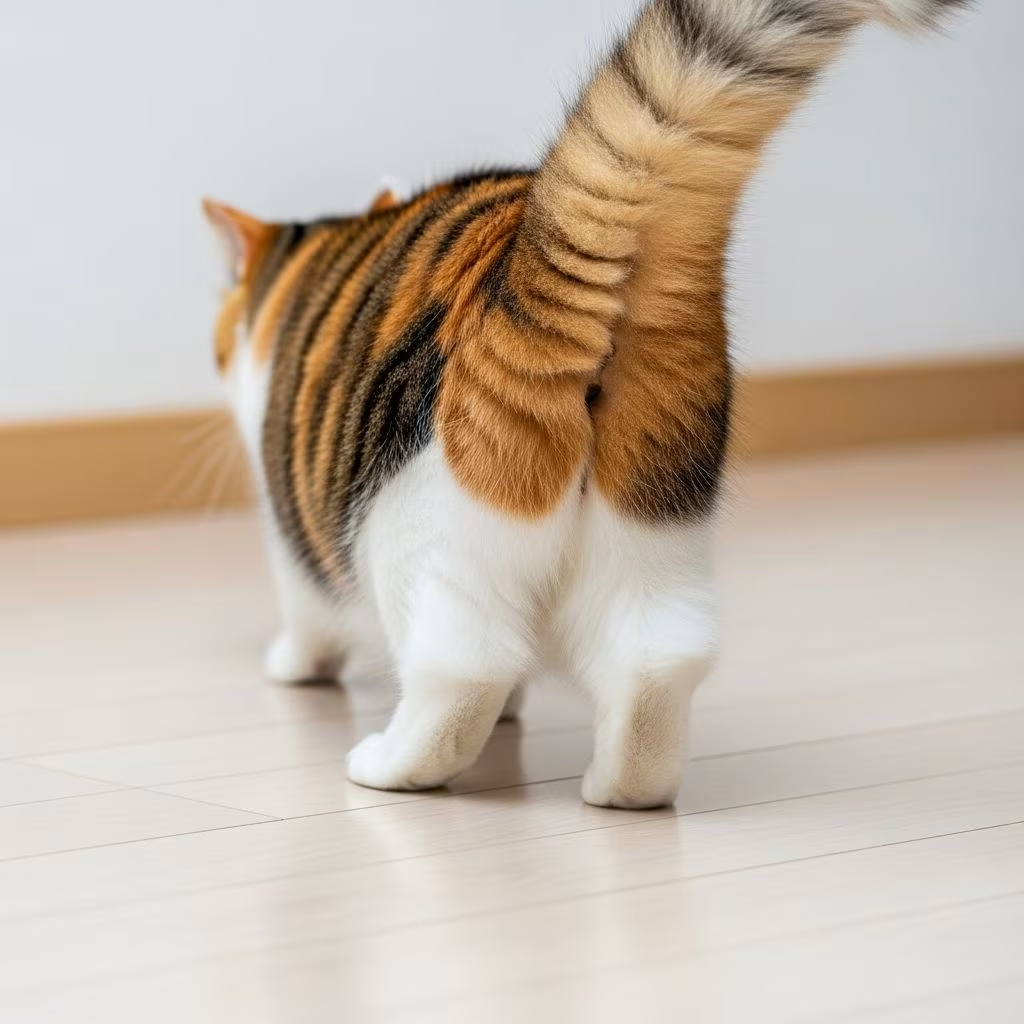
Observing your cat dragging its rear across the floor can be alarming for any pet owner. This behavior, known as scooting, typically stems from irritation or discomfort in the anal region. While occasional instances might resolve on their own, persistent scooting warrants attention to prevent escalation into serious health problems. Understanding the underlying triggers allows for timely intervention, ensuring your feline companion remains happy and pain-free.
Recognizing the Signs of Scooting in Cats
Scooting involves your cat positioning itself with hindquarters low to the ground, propelling forward using its front legs while rubbing the anal area against surfaces like carpets or rugs. Accompanying signs often include excessive licking or biting at the rear, a fishy odor emanating from the area, visible redness or swelling, and changes in litter box habits such as straining or producing small, hard stools. These symptoms indicate that something is amiss, ranging from minor irritations to conditions requiring professional veterinary care.
- Frequent rear dragging on floors or furniture.
- Intense grooming focused on the tail base.
- Noticeable discharge or odor near the anus.
- Signs of discomfort, like yelping or sensitivity when touched.
Early detection of these indicators is crucial, as they can point to issues that, if ignored, lead to infections or abscesses.
Primary Culprits Behind Feline Rear Dragging
Several factors contribute to this distressing habit. The most prevalent involve the anal sacs, small glands flanking the anus that naturally express during defecation to release scent markers. When these malfunction, they provoke scooting as a relief-seeking response.
Anal Sac Disorders
Anal sacs can become impacted with thick secretions, infected, or abscessed. Impaction occurs when the material fails to expel naturally, building pressure and causing itchiness or pain. Infections introduce bacteria, leading to inflammation, pus, and a pungent smell. In severe cases, abscesses form, potentially rupturing and creating painful wounds. Breeds with short tails or those prone to soft stools are particularly susceptible, as normal evacuation is hindered.
Parasitic Infestations
Intestinal worms, especially tapeworms, release segments that adhere near the anus, triggering intense itching. Fleas exacerbate this by serving as intermediate hosts for tapeworms, creating a cycle of infestation. External parasites like fleas directly irritate the skin around the tail.
Allergies and Skin Irritations
Environmental allergens, food sensitivities, or contact with irritants such as cleaning products cause dermatitis in the perianal area. Food allergies often manifest with gastrointestinal upset alongside skin issues, prompting scooting to alleviate the itch.
Other Contributing Factors
Matted fur, fecal residue, or foreign objects trapped near the anus provide mechanical irritation. Rarely, urinary tract problems mimic scooting due to straining sensations, or tumors and prolapses in the rectal area cause persistent discomfort.
| Cause | Key Symptoms | Common in Cats? |
|---|---|---|
| Anal Sac Impaction | Fishy smell, swelling, scooting | Very common |
| Tapeworms | Visible segments, itching | Common |
| Allergies | Redness, licking, diarrhea | Frequent |
| Fleas | Visible pests, hair loss | Common outdoors |
| UTI/Obstruction | Straining to urinate, blood | Rare |
Step-by-Step Home Management Strategies
Before rushing to the vet, certain mild cases can be addressed at home, provided your cat shows no signs of acute pain, lethargy, or fever. Always monitor closely and seek professional help if improvement doesn’t occur within 24-48 hours.
- Clean the Area: Gently wash the rear with warm water and a mild, pet-safe wipe to remove debris or matted fur. Avoid soaps that could worsen irritation.
- Parasite Control: Administer a broad-spectrum dewormer for tapeworms and roundworms, and apply flea treatment if pests are suspected.
- Warm Compresses: For suspected full anal sacs, apply a warm, damp cloth for 5-10 minutes, 2-3 times daily to encourage natural expression.
- Dietary Adjustments: Switch to wet food temporarily to soften stools and promote gland emptying. Increase hydration with fresh water fountains.
- Barrier Creams: A thin layer of pet-safe ointment like diaper rash cream can soothe minor redness, but discontinue if no relief.
These measures target common, reversible issues but are not substitutes for veterinary diagnosis.
When to Consult a Veterinarian Urgently
Immediate vet visits are essential if scooting persists beyond a day, accompanies blood in stool, prolapse, severe swelling, or refusal to eat. Vets perform physical exams, including digital rectal checks, to assess gland status and rule out deeper problems. Diagnostic tools may include fecal analysis for parasites, bloodwork, urinalysis, or imaging like X-rays/ultrasound.
Professional Treatment Options
- Gland Expression: Manual emptying of sacs, possibly under sedation for impacted cases.
- Antibiotics/Anti-inflammatories: For infections or abscesses.
- Flushing: Irrigation of glands to clear blockages.
- Surgery: Rare, for chronic issues or tumors.
- Specialized Diets: Hypoallergenic food trials.
Post-treatment, prognosis is excellent for most cats, with symptoms resolving quickly upon addressing the root cause.
Preventive Measures for Long-Term Anal Health
Proactive care minimizes recurrence. Regular flea and worm preventives are foundational. High-fiber diets firm stools, aiding natural gland expression. Routine grooming prevents matting, and annual vet check-ups include gland inspections. Monitor weight, as obesity hinders defecation efficiency.
- Monthly parasite preventives.
- Balanced, fiber-rich nutrition.
- Daily grooming sessions.
- Plenty of exercise for bowel regularity.
Frequently Asked Questions
Is cat scooting always a sign of worms?
No, while tapeworms are a frequent trigger due to irritating segments, anal gland problems are more common. Deworming helps rule it out.
Can I express my cat’s anal glands at home?
Not recommended without training, as improper technique risks injury or incomplete relief. Leave it to professionals.
How long does recovery take after treatment?
Most cats improve within 24-48 hours post-expression or medication, though allergies may require dietary changes over weeks.
Does diet affect anal gland health?
Yes, soft stools from poor diet lead to impactions; fiber supplements or prescription foods promote healthy evacuation.
Is scooting more common in certain cat breeds?
Short-tailed breeds like Manx or those with chronic diarrhea issues face higher risks due to anatomical or stool consistency factors.
Holistic Approaches and Monitoring Tips
Integrate omega-3 supplements for anti-inflammatory benefits and probiotics for gut health, potentially reducing allergy-related scooting. Track episodes in a journal noting diet, stool quality, and environment changes to identify patterns. Post-resolution, observe litter box use and grooming habits for early relapse signs.
In summary, cat butt scooting is a distress signal not to ignore. From anal sac woes to parasites, prompt action restores comfort. Collaborate with your vet for tailored solutions, prioritizing prevention through vigilant care.
References
- Scooting in cats | Health A-Z – Joii Pet Care — Joii Pet Care. 2023. https://www.joiipetcare.com/blogs/health-symptoms/scooting-in-cats
- Scooting in Cats: Why It Happens and How To Help – Cats.com — Cats.com. 2024. https://cats.com/cat-scooting
- Why is Your Cat Dragging Their Butt? – Kinship — Kinship. 2023. https://www.kinship.com/cat-health/scooting-in-cats
- Scooting in cats – PDSA — PDSA. 2024. https://www.pdsa.org.uk/pet-help-and-advice/pet-health-hub/symptoms/scooting-in-cats
- Why Is My Cat Dragging Its Butt Across the Floor? – Rover.com — Rover. 2023. https://www.rover.com/blog/why-is-my-cat-dragging-its-butt/



