

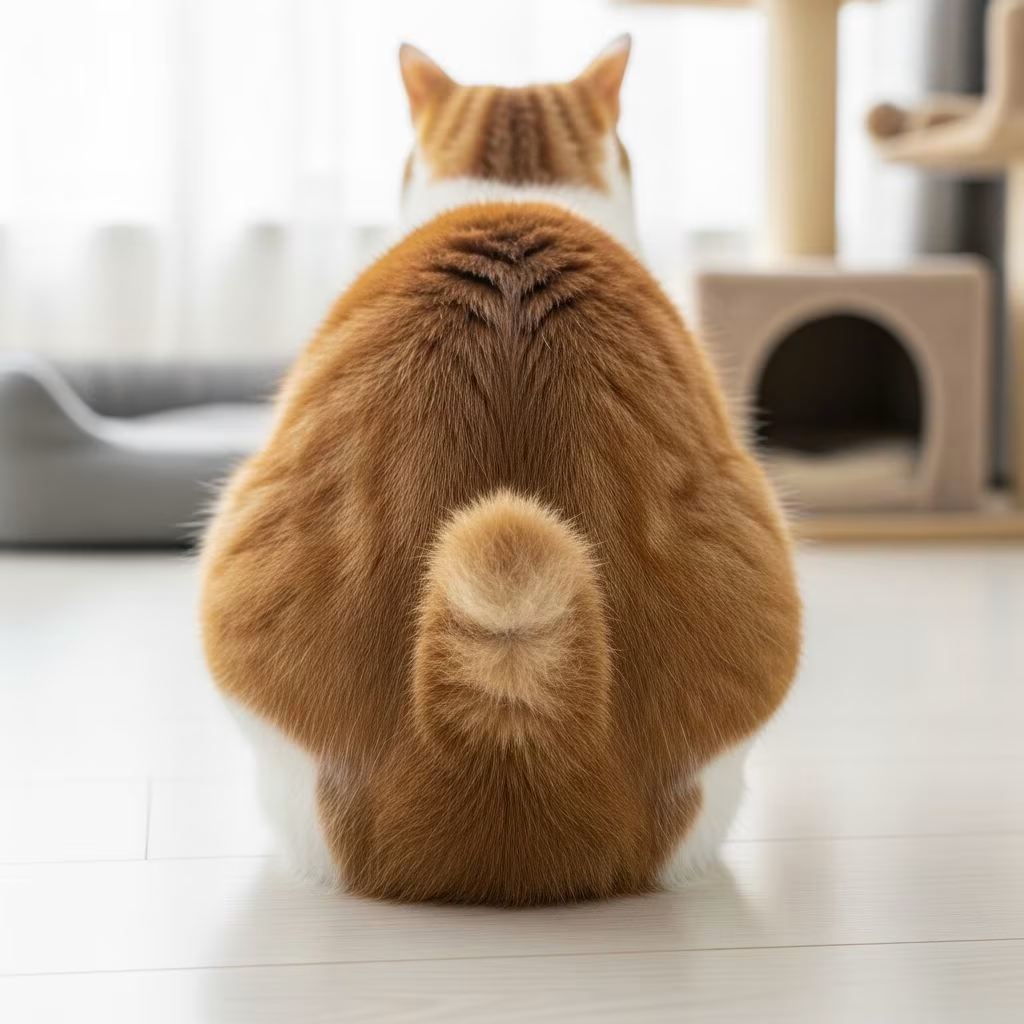
Cats are notoriously clean animals, but sometimes their rear ends need a little extra attention from their owners. A dirty or problematic cat butt can signal underlying health issues or simply require basic hygiene maintenance. This comprehensive guide covers everything from **why your cat’s butt might be dirty** to **step-by-step cleaning instructions**, **anal gland care**, and **prevention strategies**. Whether it’s matted fur, diarrhea aftermath, or gland impactions, we’ll help you keep your feline’s backend fresh and healthy.
Why Is My Cat’s Butt Dirty?
A soiled cat butt is more common than you might think and can stem from several causes. Understanding the root problem is key to effective care and preventing recurrence. Here’s a breakdown of the most frequent reasons:
- They Can’t Reach Their Butt: Elderly, obese, injured, or disabled cats often struggle to groom their hindquarters effectively. Arthritis, mobility issues, or excess weight make twisting into position painful or impossible.
- They Need Grooming: Long-haired or fluffy breeds like Persians or Maine Coons accumulate fur around the anus, trapping debris. A sanitary clip from a groomer can prevent this by shortening fur in the problem area.
- Diarrhea: Loose stools from diet changes, parasites (like worms), food intolerances, toxins, foreign objects, or illnesses leave residue that’s hard for cats to clean. Chronic cases risk dehydration and require vet attention.
- Litter Box Too Small: Inadequate box size means the cat’s butt contacts feces during elimination, especially if the box isn’t scooped frequently. Upgrade to a larger box (1.5 times cat length) and clean daily.
If dirtiness persists, consult a vet to rule out serious conditions like allergies or infections.
How to Clean a Cat’s Butt: Vet-Approved Step-by-Step Guide
Cleaning your cat’s butt doesn’t have to be a battle. Follow these **five essential steps** for a safe, stress-free process. Always prioritize your safety and your cat’s comfort.
- Suit Up: Wear disposable gloves to protect against bacteria like toxoplasmosis, even for minor dirt. Wash hands thoroughly post-cleaning.
- Strike at the Right Moment: Choose a calm time, like post-meal or nap, when your cat is relaxed. Avoid post-play adrenaline highs.
- Restrain Them Safely: For longer sessions, use a towel wrap or helper to secure limbs. Offer treats and pets for positive reinforcement, but never force if aggressive.
- Wipe Away: Lift the tail gently and use pet wipes, unscented baby wipes, damp cloth, or wet paper towel. Wipe front-to-back to avoid spreading bacteria. For heavy mess, lukewarm water rinse if tolerated.
- Dry the Area: Pat dry with a soft towel—no hairdryers, as they scare cats and dry skin. Moisture invites bacteria.
Pro Tip: Waterless shampoos or wipes are ideal for bath-hating cats. Trim excess fur first for long-haired pets using blunt clippers.
| Method | Best For | Pros | Cons |
|---|---|---|---|
| Pet Wipes | Quick clean-ups | Convenient, no water | Disposable waste |
| Damp Cloth | Light dirt | Reusable, gentle | Requires drying |
| Waterless Shampoo | Fluffy coats | No rinse, refreshes fur | May need brushing |
| Sanitary Clip | Long-haired cats | Prevents future issues | Professional recommended |
Understanding Cat Anal Glands and When to Express Them
Anal glands (or sacs) are small pouches on either side of a cat’s anus (4-5 o’clock and 7-8 o’clock positions). They naturally express during defecation via firm stool pressure, releasing oily fluid for scent marking. Problems arise when they impinge, leading to scooting, licking, or odor.
Signs Your Cat’s Anal Glands Need Attention
- Scooting butt on floors/carpets
- Excessive licking or biting rear
- Fishy or foul anal odor
- Swelling, redness, or discharge (blood/pus)
- Straining to poop or ribbon-like stools
Routine expression isn’t always needed—healthy cats self-express. Only intervene if symptomatic, and learn from a vet first.
How to Express Your Cat’s Anal Glands at Home
Expression should be gentle; improper technique causes pain or rupture. Have a vet demonstrate.
- Prepare: Glove up, wear protective clothing/oven mitts. Do in bathtub for easy cleanup. Trim anal fur if long.
- Position: Helper holds cat securely (towel wrap). Lift tail, locate glands (small bumps at anus sides).
- Express: Place gloved thumb and forefinger on glands. Press upward/inward gently like squeezing a pea. Fluid (brown, smelly) squirts out—normal.
- Clean Up: Wipe area with pet wipe/damp towel. Check for blood/pus (vet emergency). Rinse with lukewarm water if possible.
- Aftercare: Monitor for distress. Apply warm compress for softening if clogged. Repeat only if needed, not routinely.
Warning: If cat cries, fluid is thick/pus-like, or abscess forms (swollen, leaking), seek vet care immediately. Abscesses require antibiotics, flushing, and pain meds.
Treating Anal Sac Disease and Complications
Untreated impactions lead to **anal sac disease**: infection, abscesses, or tumors. Vets diagnose via exam, possibly tests for cancer.
- Impaction: Express/flush sacs, infuse antibiotics/anti-inflammatories (sedation often needed).
- Infection: Antibiotics, pain relief, warm compresses. Cone collar prevents licking.
- Abscess: Drainage, antibiotics. Clean with saline; e-collar essential.
- Home Remedies: Cool compress for inflammation (chilled washcloth, 5-10 mins). High-fiber diet/probiotics for firm stools.
Preventing Cat Butt Problems
Proactive steps reduce issues:
- Diet: High-fiber food, probiotics for solid stools. Address diarrhea causes (deworming, hypoallergenic kibble).
- Litter Box: Oversized, scooped daily, low-dust litter.
- Grooming: Brush regularly; sanitary trims for longhairs.
- Routine Checks: Vet anal gland exams during checkups for recurrent cases.
- Weight Management: Keep cats lean for better grooming access.
Frequently Asked Questions (FAQs)
Why does my cat scoot its butt on the floor?
This ‘scooting’ often indicates full anal glands, allergies, worms, or impacted feces. Clean and express glands; see vet for parasites.
Is it safe to clean my cat’s butt with baby wipes?
Yes, unscented baby wipes match cat skin pH and are gentle for occasional use. Opt for pet-specific if possible.
How often should I express my cat’s anal glands?
Not routinely—only if symptomatic. Healthy cats self-express. Vets handle chronic cases.
What if my cat’s butt is swollen or bleeding?
Emergency vet visit: could be abscess, infection, or trauma. Don’t attempt home treatment.
Can diet help with dirty cat butts?
Absolutely. Fiber-rich diets firm stools, aiding natural gland expression and easier cleaning.
Summing Up
Maintaining your cat’s butt health involves vigilance, gentle cleaning, and timely vet care. Most dirty butts are fixable at home, but persistent issues signal deeper problems. With these tips, your cat stays comfortable and clean. Regular grooming, proper diet, and box hygiene go a long way.
References
- How to Clean a Cat’s Butt: Vet-Approved Step-by-Step Guide — Catster. 2023-10-15. https://www.catster.com/cat-health-care/how-to-clean-cats-butt/
- When and How To Express a Cat’s Anal Glands — Rover.com. 2024-05-20. https://www.rover.com/blog/how-tell-cat-glands-need-expressed/
- Anal Sac Disease in Cats — VCA Animal Hospitals. 2025-01-10. https://vcahospitals.com/know-your-pet/anal-sac-disease-in-cats
- How to Successfully Express Your Cat’s Anal Glands — YouTube (Vet Tutorial). 2023-08-05. https://www.youtube.com/watch?v=jNRG7UYx6Uw
- Rectal and Anal Inflammation in Cats — PetMD. 2024-11-12. https://www.petmd.com/cat/conditions/digestive/rectal-and-anal-inflammation-cats



