

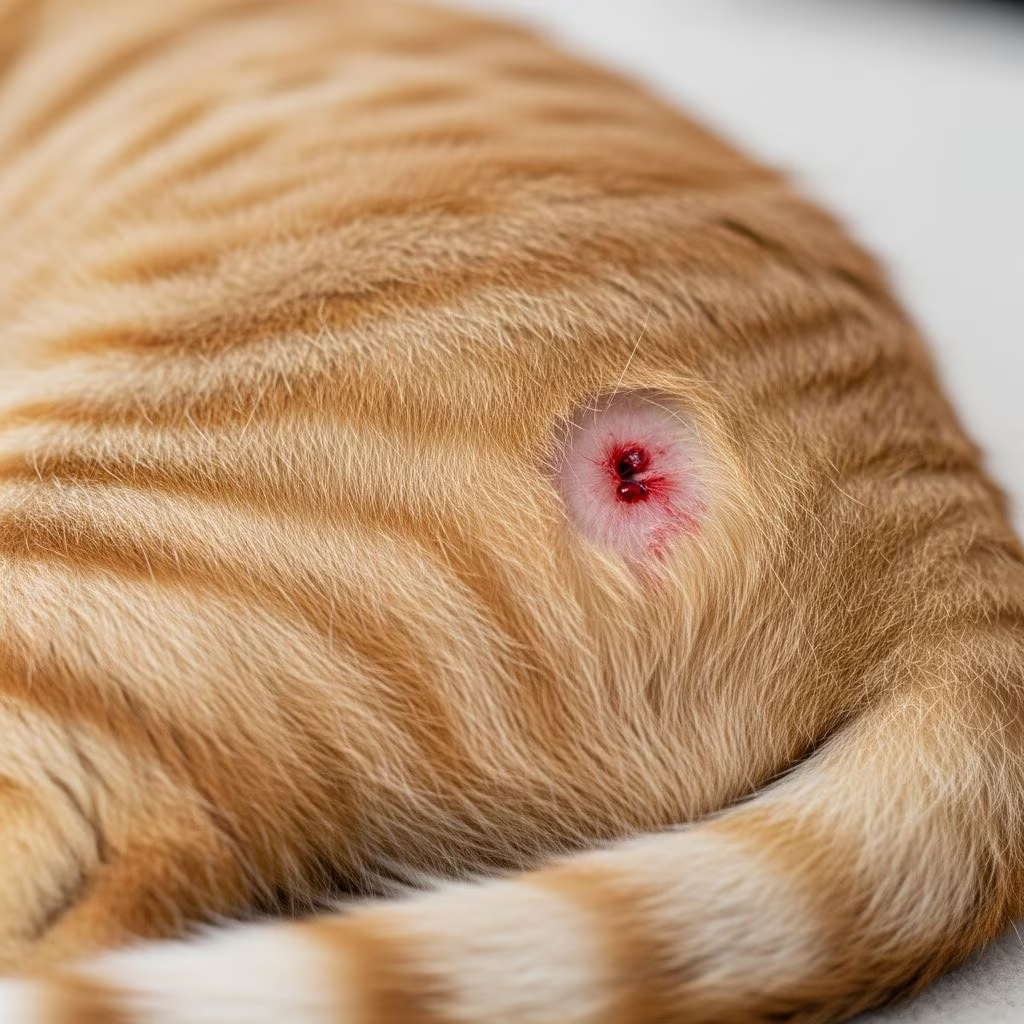
Seeing blood from your cat’s butt can be alarming for any pet owner. Rectal bleeding in cats, also known as hematochezia when fresh and bright red, indicates issues in the lower gastrointestinal tract, anus, or rectum. Prompt identification of the cause is crucial, as it ranges from minor irritations to life-threatening conditions. This comprehensive guide outlines common causes, diagnostic steps, treatments, home care tips, and prevention strategies to help you support your feline companion.
What caused your cat’s butt to bleed?
Rectal bleeding occurs when blood vessels in the anus, rectum, or lower colon rupture due to inflammation, infection, trauma, or growths. Fresh blood on stool, litter, or fur around the anus signals lower GI problems, unlike dark, tarry stools from upper GI bleeds (melena).
Anal sac disease
Cats have two anal sacs (glands) on either side of the anus that produce a smelly fluid for marking territory, typically expressed during defecation. Blockage leads to impaction, followed by infection, inflammation, or abscess formation. Ruptured abscesses cause bloody or pus-like discharge, scooting, licking, and pain. Full sacs may prolapse or bleed from pressure.
- Symptoms: Scooting, excessive grooming, foul odor, swelling near anus, blood or pus drainage.
- Risk factors: Soft stools, obesity, dehydration preventing natural expression.
Veterinarians diagnose via physical exam, expression attempt, and cytology if infected.
Intestinal parasites
Worms like roundworms, hookworms, tapeworms, or protozoa (Giardia) irritate the intestinal lining, causing inflammation, diarrhea, and bloody stools. Kittens are especially vulnerable; heavy infestations lead to anemia and weakness. Flea tapeworms cause anal itching and scooting.
- Common signs: Visible worms in stool, weight loss, potbelly, bloody mucus in feces.
Fecal flotation confirms parasites; dewormers like pyrantel or fenbendazole treat most.
Inflammatory bowel disease (IBD)
IBD involves chronic intestinal inflammation from immune responses to food, bacteria, or genetics. Lymphocytic-plasmacytic or eosinophilic forms erode the mucosa, leading to bleeding, diarrhea, vomiting, and weight loss. Middle-aged cats are prone.
- Diagnosis: Biopsy via endoscopy, ruling out hyperthyroidism or lymphoma.
- Complications: Vitamin B12 deficiency from malabsorption.
Polyps or other growths
Benign polyps or malignant tumors (adenocarcinoma, lymphoma) in the rectum or colon bleed when abraded by stool. Lymphosarcoma spreads via lymphatics. Older cats face higher cancer risk.
- Treatment varies: Surgical excision for polyps, chemotherapy for lymphoma.
Biopsy determines malignancy; histopathology guides prognosis.
Linear foreign body
Swallowed strings, ribbons, or yarn anchor in the tongue or duodenum, sawing through intestines as peristalsis pulls them, causing perforations and bleeding. Cats’ curiosity makes this common.
- Urgency: Surgery required; delays lead to peritonitis.
- Prevention: Secure linear objects.
Rectal prolapse
Straining from parasites, diarrhea, or constipation evaginates rectal tissue through the anus. Exposed mucosa swells, ulcerates, and bleeds. Kittens with worms are at high risk; adults less so.
- Grades: Partial (mucosa only) vs. complete (full thickness).
- Emergency: Replace tissue surgically; purse-string suture prevents recurrence.
Other causes
Trauma (bite wounds, road accidents), bacterial/viral infections (salmonella, panleukopenia), colitis, strictures, or coagulopathies also provoke bleeding. Foreign objects like bones lacerate the rectum.
What to do if your cat is bleeding from their butt
Never ignore rectal bleeding—contact your vet immediately, especially with lethargy, appetite loss, vomiting, or straining. Observe stool color/consistency, frequency, and behavior changes.
Immediate steps at home
- Isolate to clean area; monitor litter output.
- Prevent licking with cone if needed.
- Offer water; encourage hydration.
- Avoid OTC meds—they’re toxic to cats.
For mild cases (bright cat, trace blood), a 24-48 hour bland diet (boiled chicken/rice) may suffice, but vet approval first.
Veterinary diagnostics
Exams include:
- Physical/rectal exam.
- Fecal analysis for parasites.
- Bloodwork (CBC, chemistry, coagulation).
- Imaging (X-rays, ultrasound).
- Endoscopy/colonoscopy with biopsy.
| Test | Purpose |
|---|---|
| Fecal float | Detect parasites |
| Rectal cytology | Check anal sac infection |
| Biopsy | Diagnose IBD, cancer |
| Contrast radiographs | Find foreign bodies |
Treatment options
Tailored to cause:
- Anal sacs: Manual expression, flushing, antibiotics (Clavamox, Convenia), surgery for recurrent issues.
- Parasites: Dewormers (pyrantel, praziquantel).
- IBD: Steroids (prednisolone), immunosuppressants, hypoallergenic diets, B12 injections.
- Prolapse/Trauma: Reduction, sutures, stool softeners.
- Tumors: Surgery, chemo.
- General: Probiotics, metronidazole trial, fiber (psyllium).
Home care after vet visit
- Bland diet: Transition slowly.
- Probiotics: Restore gut flora.
- Fiber supplements: Firm stools.
- Hydration: Wet food, fountains.
- Litter: Clean frequently; low-sided boxes.
Preventing rectal bleeding in cats
Proactive care minimizes risks:
- Monthly flea/worm preventives (Revolution).
- Hypoallergenic or novel protein diets for allergy-prone cats.
- Regular vet checkups for seniors.
- Secure hazards; supervise play.
- High-fiber diet for constipation.
Monitor weight, stool quality, and behavior. Early detection saves lives.
Frequently Asked Questions (FAQs)
Q: Is cat butt bleeding an emergency?
A: Yes, if accompanied by lethargy, no appetite, vomiting, or prolapse. Mild traces in a perky cat warrant a vet call within 24 hours.
Q: Can I express my cat’s anal glands at home?
A: No—risks injury or infection. Leave to professionals.
Q: How long does treatment take?
A: Varies; parasites clear in days, IBD manages lifelong.
Q: Does diet cause bleeding?
A: Allergies to beef/wheat trigger IBD; trial novel proteins.
Q: What if my kitten has bloody stool?
A: Likely worms—deworm urgently; check for prolapse.
References
- Cat Bleeding From the Anus: Causes and Treatment — Cats.com. 2023. https://cats.com/cat-bleeding-from-the-anus
- My Cat’s Butt Is Bleeding. What Should I Do? — Kinship. 2024. https://www.kinship.com/cat-health/cat-butt-bleeding-treatments
- Why Is My Cat’s Butt Bleeding? Our Vet Explains Causes & Treatments — Catster. 2024. https://www.catster.com/ask-the-vet/why-is-my-cats-butt-bleeding/
- Rectal and Anal Inflammation in Cats — PetMD. 2023. https://www.petmd.com/cat/conditions/digestive/rectal-and-anal-inflammation-cats
- Anal Sac Disease in Cats — VCA Animal Hospitals. 2024. https://vcahospitals.com/know-your-pet/anal-sac-disease-in-cats



