

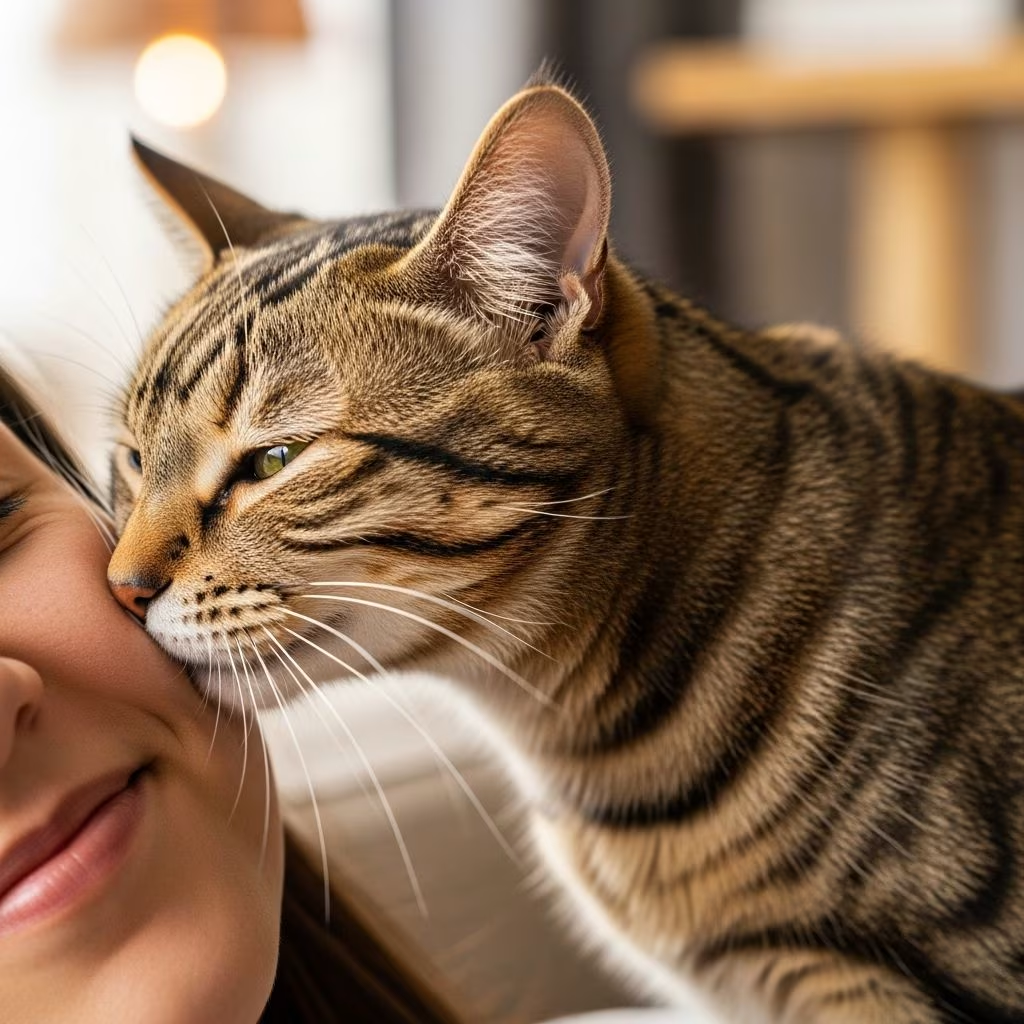
Cat bunting, commonly known as headbutting, is one of the most endearing behaviors cats exhibit toward their owners. When your cat rubs its head against you, it’s not just seeking attention—it’s a complex form of communication rooted in instinct. This article delves into the reasons behind cat bunting, from scent marking and bonding to self-soothing and social dynamics, helping you understand your feline friend’s affectionate gestures.
What Is Cat Bunting?
Cat bunting refers to the behavior where a cat rubs its head, cheeks, or forehead against people, objects, or other animals. This action, also called headbutting or allorubbing, involves the cat’s scent glands located in the cheeks, forehead, lips, flanks, paw pads, and tail. These glands release pheromones—invisible chemical signals that convey information to other cats.
Unlike aggressive marking like spraying urine, bunting is a gentle, social act. Cats use it to deposit their unique scent, creating a ‘colony scent’ that identifies safe spaces and companions. In domestic settings, when a cat buns its owner, it’s integrating you into its family scent profile.
Why Do Cats Bunt?
Cats bunt for several instinctual reasons, each tied to survival, communication, and emotional well-being. Here’s a breakdown:
- Scent Marking and Colony Scent: Bunting deposits pheromones to mark owners or objects as part of the cat’s safe territory, helping create a unified colony scent among household pets and humans.
- Social Bonding: This behavior strengthens relationships. Cats bunt familiar individuals to reinforce trust and group identity, similar to feral cat colony rituals.
- Mapping Safe Zones: By scenting areas, cats map their environment, signaling safety to themselves and others.
- Self-Soothing: The act releases comforting pheromones, reducing anxiety in new or stressful situations.
- Seeking Attention: Cats may bunt to prompt petting, play, or feeding, communicating needs affectionately.
Research indicates bunting evolves from kittenhood, where young cats rub against their mother for stimulation and security. This persists into adulthood across felines and some mammals.
Is Cat Bunting a Sign of Affection?
Yes, cat bunting is often interpreted as affection, though it’s primarily about scent communication. Your cat wouldn’t bunt you without feeling safe and trusting—marking you as ‘family’ shows deep comfort. A study on shelter cats found frequent rubbers were adopted faster, suggesting humans intuitively recognize this as loving.
However, it’s not purely emotional; it’s functional. Bunting says, ‘You’re mine, and I feel secure with you.’ In multi-pet homes, it’s a bonding tool that diffuses tension.
Headbutting Between Cats
When cats bunt each other, it’s a key social interaction. In multi-cat households, this creates a shared colony scent, indicating harmony and mutual safety. Dominant cats often initiate, establishing hierarchy without aggression.
Feral cats perform elaborate allorubbing rituals—rubbing sides and tails for minutes—to channel potential conflicts and maintain colony peace. Domestic cats mirror this, using bunting for greetings and kinship recognition.
Are Cats Marking Their Territory with Bunting?
Bunting is territorial but not possessive. Cats aren’t claiming exclusive ownership; they’re signaling a safe, familiar area via pheromones. This differs from urine marking, which warns intruders.
Post-aggression, cats bunt nearby objects to reassert control non-violently. For owners, it’s inclusive marking: ‘This space and person are safe for us.’
The Science Behind Cat Bunting
Cat pheromones are species-specific chemicals influencing behavior. Facial pheromone (F3) from cheek glands promotes calm and marking. Studies, like those by Landsberg et al., confirm bunting communicates ownership and familiarity.
Evolutionary roots trace to wild ancestors kneading and rubbing for nests and bonds. In labs, synthetic feline pheromones mimic bunting to reduce stress in vets or new homes.
| Behavior | Purpose | Scent Glands Involved |
|---|---|---|
| Bunting/Headbutting | Social bonding, marking | Cheeks, forehead, chin |
| Kneading | Comfort, territory | Paw pads |
| Rubbing flanks | Full-body scent mix | Flanks, tail |
What If My Cat Doesn’t Headbutt?
Not all cats bunt frequently—personality, breed, and environment play roles. Shy or recently adopted cats may take time to warm up. As long as your cat shows other comfort signs (purring, kneading, slow blinks), lack of bunting isn’t concerning.
New environments delay bunting due to anxiety. Encourage it with pheromone diffusers or gentle interactions.
How to Respond to Cat Bunting
Respond positively to reinforce the bond:
- Acknowledge Gently: Pet the head or cheeks where glands are, mixing scents further.
- Avoid Overstimulation: If the cat seems insistent, it might want food or play—check needs.
- Use Synthetic Pheromones: Products like Feliway replicate bunting scents for anxious cats.
- Observe Context: Frequent bunting in new cats signals adjustment; sudden cessation might indicate health issues—consult a vet.
Cat Bunting vs. Head Pressing
Don’t confuse bunting with head pressing, a medical red flag. Bunting is rubbing motion; head pressing is stationary leaning against walls, often with neurological symptoms like disorientation. Seek vet care immediately for the latter.
Frequently Asked Questions (FAQs)
Why does my cat headbutt me in the morning?
Morning bunting often seeks attention for breakfast or greets you as family, mixing scents after overnight separation.
Do all cats bunt?
No, but most do occasionally. Independent or less social cats may prefer other affections like tail wrapping.
Is cat bunting dominance?
Not typically; higher-rank cats initiate, but it’s bonding over control. Urine spraying is true dominance marking.
Can I encourage bunting?
Yes, offer cheeks for rubbing, use catnip toys, or pheromone products. Patience builds trust.
What if my cat buns strangers?
Rare, but possible if very social. Monitor for stress; it might seek temporary safety scenting.
Conclusion: Embrace the Bunt
Cat bunting is a testament to your bond—a whisker-to-skin affirmation of trust. Understanding it deepens your relationship, turning headbutts into cherished moments. Next time your cat buns, know it’s saying, ‘You’re home.’ (Word count: 1678)
References
- Why Do Cats Headbutt? | Cat Bunting — The Rescue Vets. 2023. https://therescuevets.com/education-resources/cat-care-tips/why-cats-headbutt/
- Understanding why cats knead and bunt: The science behind feline behaviors — COAPE. 2013 (referenced in text, authoritative on pheromones). https://coape.org/understanding-why-cats-knead-and-bunt-the-science-behind-feline-behaviors/
- Bunting (animal behavior) — Wikipedia (sourced from primary ethology studies). 2023. https://en.wikipedia.org/wiki/Bunting_(animal_behavior)
- What is my cat trying to tell me? Bunting — Hill Park Vets. 2023. https://www.hillparkvets.co.uk/blog/what-is-my-cat-trying-to-tell-me-bunting
- Cat Head Bunting: What It Means And How To Respond — Vet Organics. 2023. https://www.vet-organics.com/blogs/news/cat-head-bunting
- Why Does My Cat Headbutt Me? — PetMD. 2023. https://www.petmd.com/cat/behavior/why-does-my-cat-headbutt-me



