

What Is Cat Bunting?
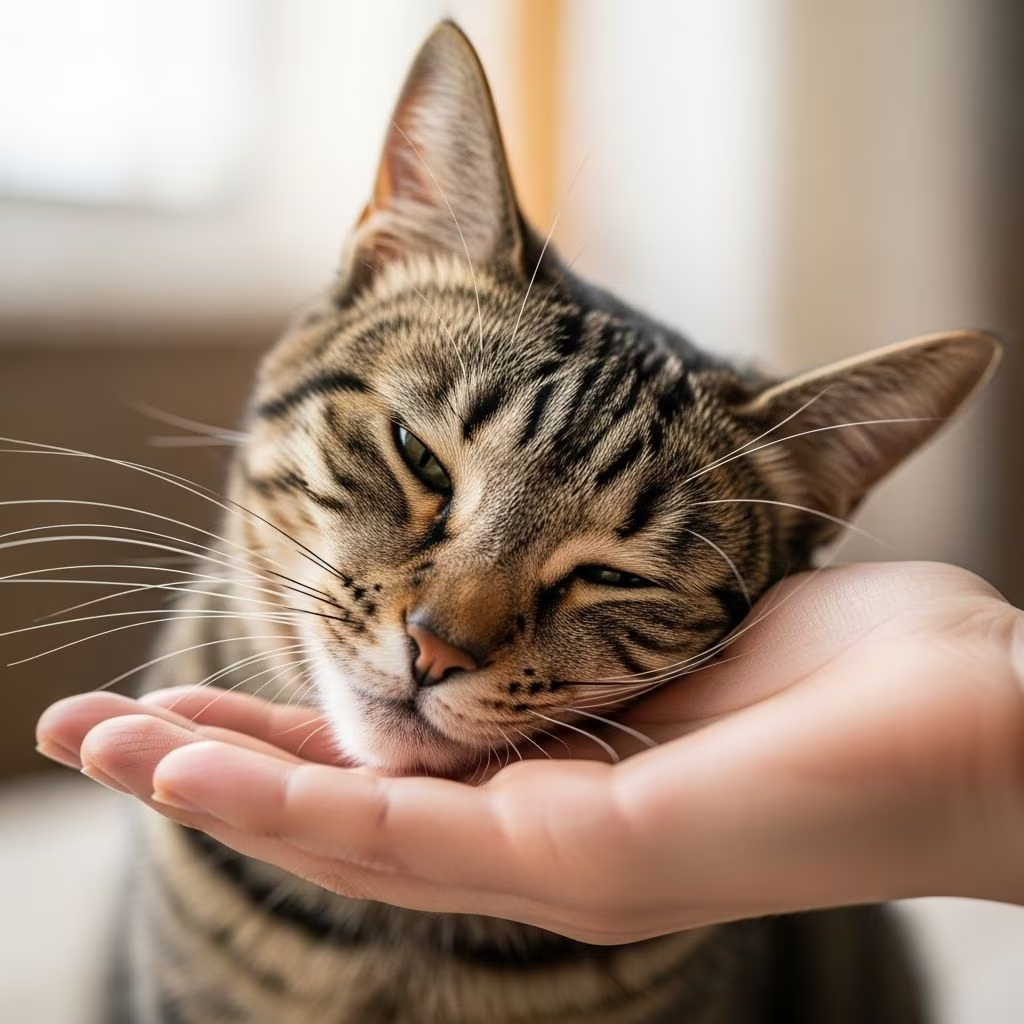
Cat bunting is a common behavior where your cat rubs their head, cheeks, or entire body against you, objects in your home, or other animals. This action, often referred to as headbutting or head rubbing, is one of the most endearing ways cats communicate with their owners and their environment. When your cat engages in bunting, they are performing a natural instinctive behavior that has deep roots in feline development and social structure.
Bunting involves the cat pressing their head or cheeks against people, objects, or other animals in a gentle, affectionate manner. This behavior typically includes nuzzling or a soft headbutt and is completely normal. It’s important to distinguish bunting from head pressing, which is abnormal behavior and typically indicates an underlying health issue. Bunting is a sign of a healthy, emotionally balanced cat engaging in normal social behavior.
Why Do Cats Bunt? The Main Reasons
Understanding why your cat bunts is key to deepening your bond with your feline companion. Cats have multiple reasons for this behavior, and recognizing these motivations helps you respond appropriately and strengthen your relationship.
Scent Marking and Territorial Behavior
One of the primary reasons cats bunt is to mark territory through scent marking. Cats have scent glands located on their cheeks, forehead, chin, and other areas of their body. When your cat bunts you or objects in your home, they release pheromones that mark their territory and communicate ownership and familiarity to other animals.
This scent exchange is far more powerful than other marking methods. In fact, bunting is considered a stronger marker than urine spraying when it comes to claiming familial relationships rather than territory. When your cat rubs against you, they are literally marking you as part of their social circle and making you smell like them. This is a significant sign that your cat considers you family.
Social Bonding and Affection
Bunting is fundamentally a sign of trust and affection. When cats bunt their owners, they are reinforcing their bond and expressing a sense of belonging. Among cats, this behavior is often observed in friendly social interactions, especially in multi-cat households where cats have established positive relationships with one another.
Generally, a bunting cat is a happy cat trying to form or reinforce a meaningful bond with you. If a cat bunts you, they’re likely showing you affection and acknowledging you as a trusted member of their family group. This behavior demonstrates that your cat feels safe and comfortable in your presence and values your relationship.
Attention-Seeking Behavior
Cats are intelligent animals, and bunting can also be used as an attention-seeking behavior. If your cat bunts their head against you and then tucks it down or turns to the side, they may be asking for one of those wonderful neck or head scratches that you often provide. Past experience has taught them that when they display this behavior, you typically respond by petting or scratching them in their favorite places.
Your cat might also bunt you to initiate other forms of interaction, such as playtime or feeding time. A cat might bunt their human companion to communicate their needs in a gentle and affectionate manner, effectively saying “pay attention to me” or “I need something.”
Self-Soothing and Comfort
Bunting can also serve as a self-soothing behavior for cats. When cats are stressed, anxious, or in an unfamiliar environment, they may bunt themselves against familiar objects or people to calm themselves down. The pheromones released through bunting work to ease the cat’s anxieties about an unfamiliar area. This is why newly adopted cats often bunt their new owners and their new home—they are familiarizing themselves with their environment and finding comfort in the scents they are creating.
Understanding the Social Hierarchy in Bunting
Interestingly, bunting is not just about affection—there is also a social component to this behavior. Research shows that there is a social system to head bunting beyond simple signs of affection and acceptance. A more dominant cat with a higher social rank will be the one to initiate head bunting with other cats. This behavior can help channel aggression in multi-cat households where the costs of conflict are too high, creating a peaceful hierarchy within the group.
When two cats engage in bunting with each other, they may perform an elaborate ritual that can take several minutes, in which they rub along the side and tail of the other cat. This behavior in domestic cats involves a system of hierarchy and may have evolved as a way to channel aggression where the costs of a conflict would be too high.
The Development of Bunting Behavior
Cat bunting behavior begins early in a kitten’s life. The practice of bunting stems from the behavior that arises when kittens are very young and seek stimulation from their mother by rubbing and kneading. This instinctive behavior develops throughout the animal’s life and becomes a fundamental part of how cats communicate.
Bunting is not only found in domestic cats—it has also been observed in other carnivorous mammals and some ungulates. However, in cats, bunting has olfactory roots and serves multiple purposes, including mother-young association bonds, greeting and welcoming of kin, diffusing potential aggression in social environments, and distributing scent on areas to cultivate familiarity.
How Should You Respond to Cat Bunting?
When your cat bunts you, the best response is typically to reciprocate the affection. Here are some appropriate ways to respond:
- Return the affection: Pet your cat gently, paying special attention to the areas they bunted you with, such as their cheeks and forehead.
- Provide gentle scratches: Many cats enjoy gentle scratches on their head, cheeks, and neck when bunting.
- Offer your hand: Extend your hand for your cat to bunt against, strengthening the bonding experience.
- Speak softly: Use a calm, gentle voice to acknowledge your cat’s behavior and reinforce the positive interaction.
- Respect boundaries: If your cat only bunts briefly, don’t force prolonged interaction—respect their comfort level.
- Observe other signals: Look for additional signs of contentment such as slow blinking, purring, or tail position to better understand your cat’s emotional state.
Other Signs of Comfort and Affection in Cats
While bunting is a clear sign of affection, cats communicate their comfort and love in various other ways. Understanding these additional signals helps you develop a deeper understanding of your feline companion:
- Purring: One of the most obvious signs of a content cat, purring indicates relaxation and satisfaction.
- Slow blinking: When a cat looks at you and slowly closes and opens their eyes, they are showing trust and affection. You can slow blink back to communicate your affection in return.
- Kneading: The rhythmic pushing motion cats make with their paws indicates contentment and relaxation, often observed when they’re on a comfortable surface or your lap.
- Grooming: When cats groom you or other cats and animals, they are displaying affection and social bonding.
- Following you around: If your cat follows you from room to room, they are showing interest and attachment.
- Presenting their rear: A cat that raises their rear end toward you and curves their tail is displaying affection and trust.
- Sleeping on or near you: Cats choose to sleep in safe spaces with people they trust, so your cat sleeping on your lap or beside you is a significant sign of affection.
When Your Cat Doesn’t Bunt: Is That Normal?
It’s important to remember that not all cats engage in bunting behavior. Cats communicate in several ways, and if your cat hasn’t bunted you, it may be showing you affection or asking for attention in another way. Some cats are naturally more reserved or have different communication styles. Don’t be concerned if your cat prefers other methods of expressing affection, such as purring, slow blinking, or simply sitting nearby.
Additionally, some cats may be less likely to bunt due to their personality, early socialization experiences, or breed tendencies. Each cat is an individual with their own unique way of expressing emotions and building relationships with their humans.
Bunting in Different Scenarios
Cat bunting can occur in various situations and contexts:
| Scenario | Meaning | How to Respond |
|---|---|---|
| Bunting upon arrival | Greeting you and reaffirming your bond | Welcome the interaction warmly and pet your cat |
| Bunting during meal times | Seeking attention for food or treats | Feed your cat and reinforce the positive behavior |
| Bunting new people or pets | Familiarizing themselves and marking new family members | Allow interaction and supervise if introducing new animals |
| Bunting on objects | Marking territory and creating a familiar environment | Observe this as natural behavior—no response needed |
| Frequent bunting | Seeking comfort, attention, or expressing strong affection | Provide interaction and monitor for underlying stress |
Frequently Asked Questions About Cat Bunting
Q: Is cat bunting a sign of affection?
A: Yes, cat bunting is a sign of affection because it’s one way your cat marks their scent on you. Cats typically headbutt the people and animals they love and trust. However, they may also use head bunting to self-soothe or learn about a new person or pet in the home.
Q: What does it mean when my cat bunts me?
A: When your cat bunts you, they are placing their scent on you as a social and affectionate gesture. This marks you as part of their family and social circle. Your cat is showing you that they trust you and consider you part of their inner circle.
Q: Do all cats bunt?
A: No, not all cats engage in bunting behavior. Cats communicate in several ways, so if your cat hasn’t bunted you, it may be showing you affection in another way. Some cats are naturally more reserved or prefer different forms of communication.
Q: Why does my cat bunt objects in my home?
A: When cats bunt objects, they are marking their territory through scent glands in their face. This helps them create a familiar, comfortable environment and communicate to other animals that the space belongs to them.
Q: Is cat bunting different from head pressing?
A: Yes, bunting and head pressing are very different behaviors. Bunting is normal and affectionate, while head pressing is abnormal and typically a sign of illness or neurological issues. If your cat is continuously pressing their head against surfaces without the typical bunting motion, consult a veterinarian.
Q: Can bunting indicate stress in cats?
A: While bunting is generally a positive behavior, cats may also bunt as a self-soothing mechanism when they are stressed or anxious. If you notice excessive bunting combined with other signs of stress, such as hiding or reduced appetite, consult with your veterinarian or a cat behavior specialist.
Q: What should I do if my cat bunts me?
A: The best response is to reciprocate the affection by petting your cat gently, providing scratches, or simply acknowledging the behavior with a warm voice. This reinforces your bond and encourages continued positive interaction.
Conclusion: Appreciating Your Cat’s Bunting
Cat bunting is a fascinating and endearing behavior that reveals the depth of your cat’s emotional world. Whether your cat is marking you as family, seeking attention, self-soothing, or simply expressing affection, bunting is a positive sign of a healthy, emotionally connected feline companion. By understanding this behavior and responding appropriately, you strengthen your bond with your cat and create a more harmonious household. Pay attention to when and how your cat bunts, and use these moments to deepen your relationship with your beloved pet. Remember that every cat is unique, and if your cat doesn’t bunt, they are likely showing you affection in their own special way.
References
- Bunting (animal behavior) — Wikipedia. Accessed 2026-01-14. https://en.wikipedia.org/wiki/Bunting_(animal_behavior)
- Bunting Behavior in Cats — Cat Behavior Associates. https://catbehaviorassociates.com/bunting-behavior-in-cats/
- Understanding why cats knead and bunt: The science behind feline behaviors — COAPE International. https://coape.org/understanding-why-cats-knead-and-bunt-the-science-behind-feline-behaviors/
- Cat Bunting: Is Headbutting Normal? — Dutch. https://www.dutch.com/blogs/cats/cat-bunting
- Cat Head Bunting: What It Means And How To Respond — Vet Organics. https://www.vet-organics.com/blogs/news/cat-head-bunting
- What is my cat trying to tell me? Bunting — Hill Park Vets. https://www.hillparkvets.co.uk/blog/what-is-my-cat-trying-to-tell-me-bunting



