

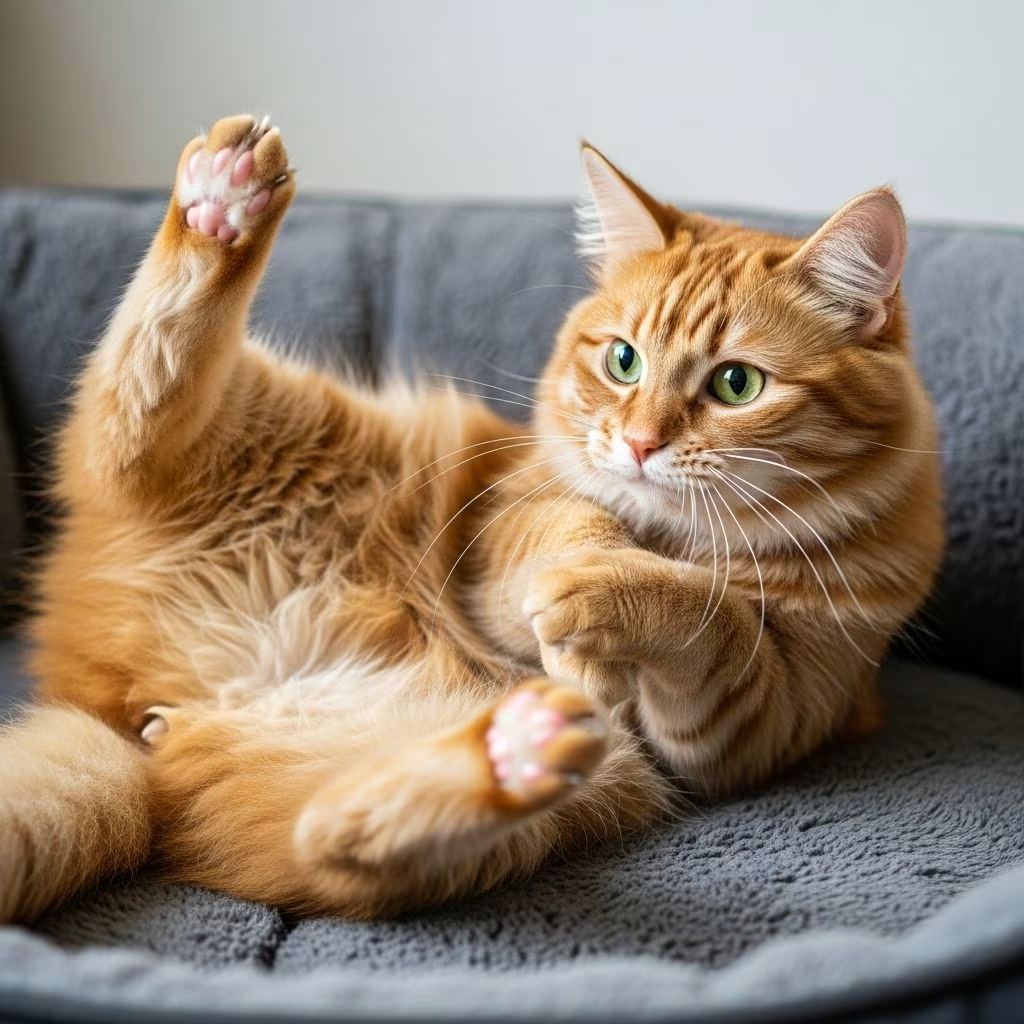
The bunny kick is a dynamic feline action where a cat grabs with its front paws and rapidly thrashes its hind legs, mimicking wild prey dispatch. This behavior, deeply rooted in a cat’s evolutionary past, serves multiple purposes in modern pets, from energetic play to protective responses.
The Instinctive Origins of Bunny Kicking
Cats, as obligate carnivores, inherit powerful hunting drives from their wild ancestors. Bunny kicking simulates the final stage of subduing captured prey, allowing cats to hold it steady while delivering forceful blows to immobilize it. Kittens first practice this during roughhousing with siblings, honing skills essential for survival.
In domestic settings, this translates to interactions with toys or even human limbs. The motion engages a cat’s full muscular potential, particularly the hindquarters, which generate explosive power. Unlike casual batting, bunny kicks involve rhythmic, intense pedaling that can shred fabric or skin if misdirected.
Primary Reasons Cats Perform Bunny Kicks
Understanding triggers helps owners respond appropriately. Here are the key motivations:
- Hunting Simulation: During solo play, cats target kickers or plush toys, reenacting predator-prey scenarios. This satisfies their need to ‘kill’ after a successful pounce.
- Defensive Posture: When on their back, exposing the belly—a vulnerable area—cats deploy bunny kicks to repel perceived threats, using claws and legs to create distance.
- Playful Overload: Mid-session with owners or other pets, escalating excitement leads to kicks as a signal to pause. It’s often paired with nips or swats.
These drives blend seamlessly; a toy session might start as hunt play but shift to defense if the ‘prey’ fights back too vigorously.
Decoding Body Language During Bunny Kicks
Cats communicate volumes through posture. Watch for these signs to anticipate kicks:
| Playful Indicators | Aggressive Signals |
|---|---|
| Relaxed ears, wide eyes, upright tail | Flattened ears, dilated pupils, low growl |
| Twitching tail tip, chirps or trills | Hissing, tucked body, rigid limbs |
| Loose body rolls, gentle holds | Clamped grip, intense thrashing |
Playful kicks feel controlled, retracting claws partially. Aggressive ones use full force, often drawing blood.
Risks and When Bunny Kicks Become Problematic
While natural, redirected kicks pose injury risks to humans and other animals. Scratches can lead to infections, especially from outdoor cats carrying bacteria. Frequent targeting of family members signals unmet needs like insufficient exercise or environmental stress.
In multi-pet homes, unchecked kicks escalate to fights, causing wounds or chronic tension. Kittens outgrow rough play, but adults may retain it if not channeled.
Rule out medical issues: pain from arthritis or dental problems can amplify defensive kicks. A vet check ensures behavior isn’t health-driven.
Safe Redirection Techniques
Prevent mishaps by guiding instincts positively:
- Interactive Toys: Use wand toys with feathers or strings to mimic fleeing prey, tiring cats before contact escalates.
- Kick-Friendly Outlets: Opt for durable kickers—long, stuffed toys designed for grappling and kicking without harm.
- Scheduled Sessions: Daily 10-15 minute play mimics natural hunting cycles, reducing pent-up energy.
- Calm Withdrawal: At first kick sign, freeze and retreat silently; never yell, as it heightens fear responses.
Avoid hands as toys; use gloves only for training, not encouragement.
Building a Kick-Proof Environment
Enrich your home to minimize unwanted kicks:
- Vertical spaces like cat trees for climbing and perching.
- Puzzle feeders channeling hunt energy into foraging.
- Window perches for bird-watching ‘hunts’.
- Rotation of toys to maintain novelty.
For belly exposure, offer brief scratches then transition to flanks or cheeks—preferred pet zones.
Breed and Age Variations in Bunny Kicking
Not all cats kick identically. High-energy breeds like Bengals or Abyssinians bunny kick more due to amplified play drives. Seniors may kick defensively from discomfort, while kittens experiment excessively.
Neutered cats often mellow, but instincts persist. Multi-cat households see more mock battles, refining techniques.
Expert Strategies for Persistent Kickers
If kicks persist, consult behaviorists. Techniques include:
- Clicker training to reward calm play.
- Scent enrichment with catnip or silver vine.
- Feliway diffusers to ease stress.
Track incidents in a journal: time, trigger, intensity. Patterns reveal solutions like more daylight play.
FAQs on Cat Bunny Kicks
Q: Is bunny kicking always aggressive?
A: No, it’s often playful, but context like ear position distinguishes it.
Q: Why do cats expose their belly then kick?
A: Belly display signals trust; touching it can trigger defense reflex.
Q: How to stop my cat from kicking me?
A: Redirect to toys, end sessions early, ignore post-kick.
Q: Are some toys better for bunny kicking?
A: Yes, kickers and tough plushies withstand claws best.
Q: When should I see a vet for bunny kicking?
A: If sudden increase, paired with hiding or appetite loss.
Long-Term Benefits of Understanding Bunny Kicks
Embracing this behavior strengthens bonds. Owners who provide outlets report fewer incidents and happier cats. Regular play boosts physical health, reducing obesity risks, and mental stimulation prevents boredom-induced issues.
Patience yields rewards: a cat that trusts redirection over time views humans as allies, not prey.
References
- Why Do Cats Bunny Kick? — PetMD. 2023. https://www.petmd.com/cat/behavior/why-do-cats-bunny-kick
- Vet Guide 2025: Why Do Cats Bunny Kick? — Ask A Vet. 2025. https://askavet.com/blogs/news/vet-guide-2025-why-do-cats-bunny-kick-%F0%9F%90%B1%F0%9F%90%BE
- Why Does My Cat “Bunny Kick” Me? — Preventive Vet. 2023. https://www.preventivevet.com/cats/why-do-cats-bunny-kick
- Cat Bunny Kick: Explanations and Helpful Solutions — Rover. 2023. https://www.rover.com/blog/cat-bunny-kick/
- Why Do Cats Bunny Kick? — Hill’s Pet. 2023. https://www.hillspet.com/cat-care/behavior-appearance/cat-bunny-kicks



