

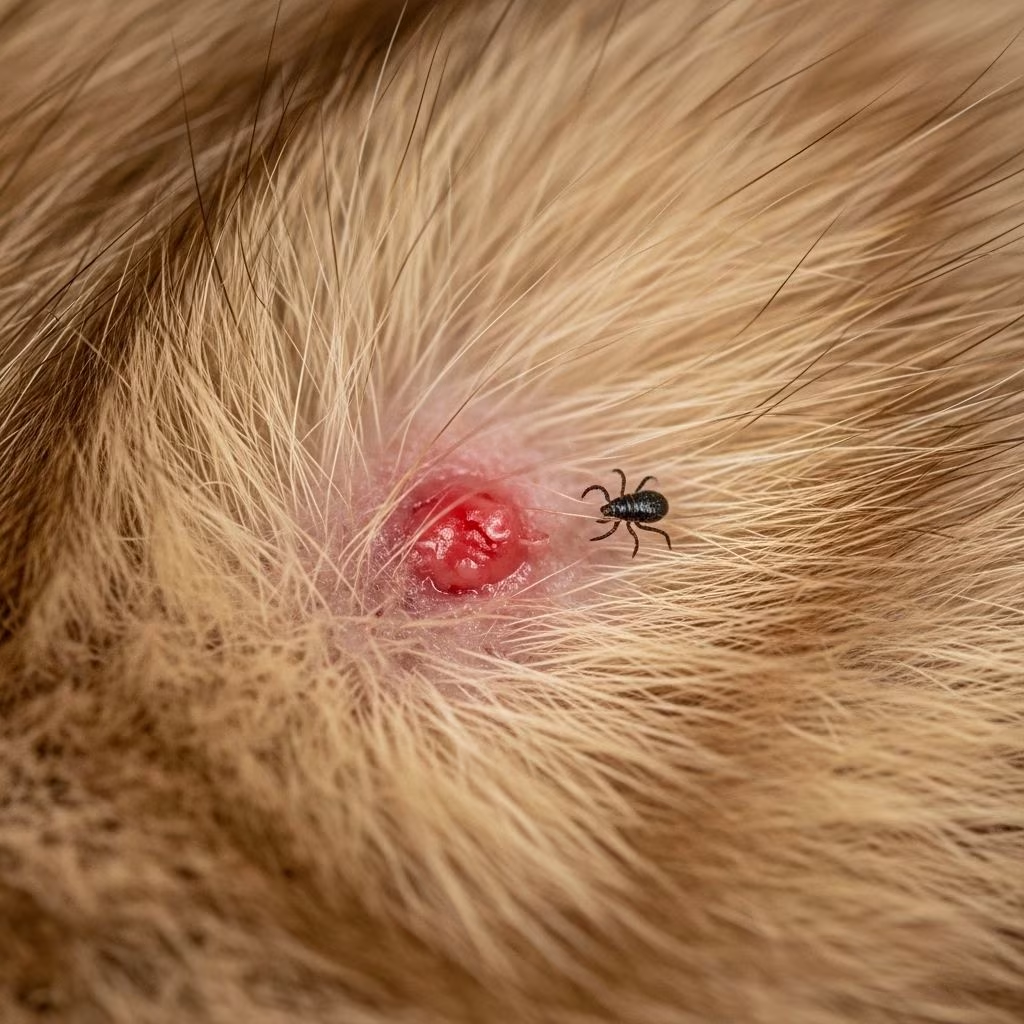
Bug bites and stings pose common yet potentially serious threats to cats, ranging from mild irritation to life-threatening allergic responses. Understanding how to recognize these incidents, provide immediate care, and prevent future occurrences is essential for every cat owner. This guide draws from veterinary insights to equip you with practical knowledge.
Why Cats Are Vulnerable to Insect Attacks
Cats’ curiosity often leads them outdoors or into contact with household pests, making bug encounters frequent. Their grooming habits can worsen bites by introducing bacteria, while thin fur offers little protection on areas like the face, paws, and belly. Indoor cats aren’t immune, as flies, ants, and fleas thrive in homes. Early detection prevents complications like infections or allergic reactions.
Common Culprits Behind Cat Bug Bites
Various insects target cats, each leaving distinct marks. Here’s a breakdown:
- Fleas: Tiny jumping pests causing intense itching, red bumps, and flea dirt (black specks). They spread quickly in warm environments.
- Mosquitoes: Produce raised, itchy welts, sometimes leading to ulcers, hair loss, or swollen paws. They can transmit heartworm.
- Bees, Wasps, Hornets: Stings cause sharp pain, swelling, and hives. Bee stingers may remain embedded.
- Spiders: Non-venomous bites show redness; venomous ones like brown recluse form necrotic blisters.
- Ants: Fire ants deliver painful, burning bites leading to pustules and limping.
- Flies and Mites: Flies cause sores prone to maggots; mites create crusty, itchy patches requiring prescription treatments.
Decoding Symptoms of Bug Bites in Cats
Symptoms vary by insect and cat’s sensitivity. Watch for:
| Symptom | Description | Common Insects |
|---|---|---|
| Redness & Swelling | Localized puffiness around the site | All types |
| Itching/Scratching | Excessive grooming or pawing | Fleas, mosquitoes, ants |
| Hives or Raised Bumps | Multiple red welts across skin | Bees, wasps |
| Pain Vocalization | Yowling or limping | Stings, ant bites |
| Severe Signs | Vomiting, breathing issues, collapse | Allergic reactions |
Mild cases resolve quickly, but persistent scratching risks hot spots or bald patches.
Step-by-Step Home Treatment Guide
Act swiftly for minor bites:
- Remove the Threat: Gently extract stingers or ticks with tweezers, avoiding squeezing venom sacs.
- Clean Thoroughly: Wash with mild soap and water to prevent infection.
- Reduce Swelling: Apply a cloth-wrapped ice pack for 10 minutes; repeat as needed.
- Soothe Irritation: Use vet-approved hydrocortisone cream or baking soda paste (mix with water). For multiple sites, try an oatmeal bath.
- Antihistamine Option: Diphenhydramine (Benadryl) at 1mg per pound, but consult vet first for dosing.
Avoid human products toxic to cats, like certain lotions.
Recognizing When Veterinary Care Is Urgent
Not all bites heal at home. Seek immediate help if you observe:
- Swelling spreading to face, throat, or paws
- Difficulty breathing, drooling, or agitation
- Vomiting, diarrhea, dizziness, or seizures
- Signs of necrosis, maggots, or fever
- Any symptom lasting over 24 hours
Vets may prescribe antibiotics, steroids, or anti-inflammatories. Anaphylaxis demands emergency intervention.
Prevention Strategies for a Bite-Free Life
Proactive measures minimize risks:
- Flea Control: Monthly topicals or collars; vacuum daily and wash bedding.
- Screened Environments: Use fine-mesh on windows; avoid standing water for mosquitoes.
- Outdoor Caution: Supervise playtime; trim tall grass where spiders hide.
- Ant Barriers: Seal home entry points; use pet-safe repellents outdoors.
- Regular Checks: Inspect fur weekly, especially after outdoor time.
Heartworm preventives protect against mosquito-transmitted diseases.
Special Considerations for Kittens, Seniors, and Allergics
Kittens and elderly cats face higher risks due to weaker immunity. They may show subtler signs like lethargy. Cats with known allergies need EpiPens or vet-prescribed kits on hand. Multi-cat homes amplify flea spread, demanding whole-house treatment.
FAQs on Cat Bug Bites
Can cats get sick from bug bites?
Yes, bites can lead to infections, allergies, or diseases like heartworm from mosquitoes.
Is Benadryl safe for cats?
In proper doses (1mg/lb), yes, but always vet-approved to avoid overdose.
How long do bug bites last on cats?
Mild ones fade in 12-24 hours; severe cases need days or vet care.
What if my cat licks the bite area?
It risks infection; use cone collars and monitor for worsening redness.
Do indoor cats need bug prevention?
Absolutely—fleas and flies enter homes easily.
Long-Term Skin Health After Bites
Post-bite, support healing with omega-3 supplements for skin repair. Medicated shampoos calm chronic itch. Annual vet exams catch sensitivities early. Track incidents in a journal to identify patterns, like seasonal mosquito peaks.
References
- Identifying and Treating Bug Bites in Cats — Just Cats Clinic. 2023. https://justcatsclinic.com/identifying-and-treating-bug-bites-in-cats/
- The Ins and Outs of Identifying & Treating Cat Bug Bites and Insect Stings — Standiford Veterinary. 2024. https://standifordveterinary.com/services/cats/blog/ins-and-outs-identifying-treating-cat-bug-bites-and-insect-stings.html
- When Your Cat Gets a Bug Bite — PetCareRx. 2023. https://www.petcarerx.com/article/when-your-cat-gets-a-bug-bite/3408
- First Aid for Insect Stings in Cats — VCA Animal Hospitals. 2024-01-15. https://vcahospitals.com/know-your-pet/first-aid-for-insect-stings-in-cats
- 7 Common Bug Bites on Cats — PetMD. 2024. https://www.petmd.com/cat/general-health/7-common-bug-bites-cats



