

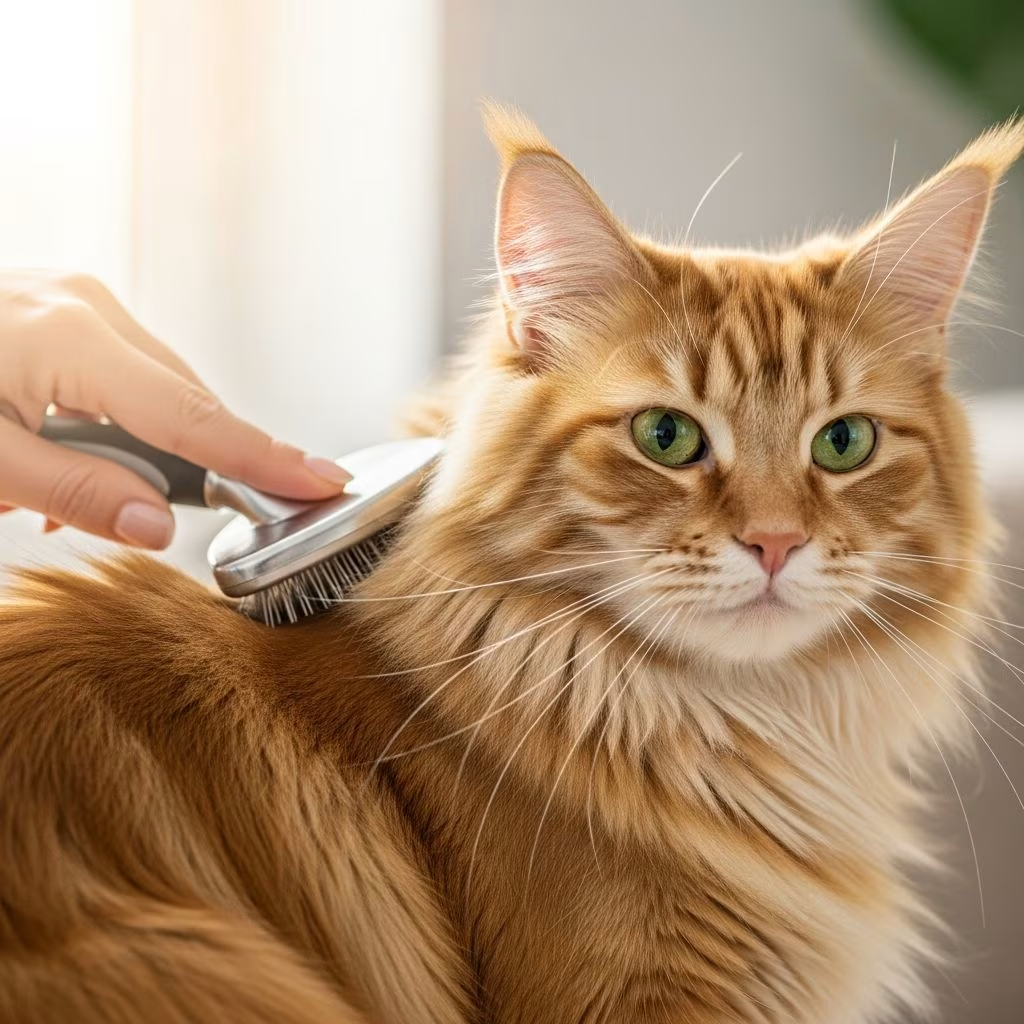
Regular brushing stands as a cornerstone of feline maintenance, enhancing coat quality while promoting overall wellness. Tailoring the frequency to your cat’s fur length and lifestyle ensures maximum benefits without overwhelming your pet.
Why Brushing Matters for Your Feline Friend
Cats dedicate hours daily to self-cleaning, yet supplemental brushing addresses limitations in their natural efforts. This practice eliminates loose hairs before ingestion, curbing hairball formation—a common issue especially in fluffier breeds. Beyond aesthetics, it distributes vital skin oils for a lustrous sheen and stimulates circulation to support dermal vitality.
Owners gain early insights into health through grooming; spotting fleas, ticks, or irritations becomes routine. For multi-pet homes or allergy sufferers, reduced shedding minimizes dander spread. Emotionally, these sessions foster trust, mimicking maternal grooming to ease anxiety.
Determining Brushing Frequency by Coat Type
Coat length dictates primary schedules, with adjustments for age, activity, and season.
- Short-haired cats: Weekly sessions suffice to whisk away dead fur and dander, preventing buildup.
- Medium-haired cats: Aim for once or twice weekly to manage moderate shedding and avoid minor tangles.
- Long-haired cats: Daily or every other day brushing combats matting and excessive loose fur intake. Breeds like Persians or Maine Coons demand diligence.
Shedding peaks in spring and fall, warranting increased frequency then. Kittens and seniors benefit from gentler, more frequent touch-ups to build habits or accommodate mobility. Indoor cats with sedentary lives may need extra attention as self-grooming wanes.
Health Advantages of Consistent Brushing
Brushing transcends vanity, delivering tangible physiological gains.
| Benefit | Description | Primary Impact |
|---|---|---|
| Hairball Reduction | Removes ingestible fur during self-grooming | Decreases vomiting frequency |
| Skin Stimulation | Boosts blood flow and oil distribution | Prevents dryness, infections |
| Parasite Detection | Reveals fleas, ticks early | Swift intervention averts infestations |
| Matting Prevention | Detangles before knots form | Avoids painful skin pulls |
| Shedding Control | Captures loose hairs at source | Cleaner home, less allergens |
Overweight or arthritic cats experience joint-friendly activity through grooming, aiding mobility. Long-term, it correlates with fewer vet visits for coat-related woes.
Selecting the Right Brushing Tools
Tool choice aligns with fur type for efficacy and comfort.
- Slicker brushes: Ideal for medium/long coats, adept at undercoat removal without snags.
- Bristle brushes: Suited to short hair, gathering surface debris gently.
- Grooming gloves/mitts: Versatile for all types, massaging while collecting fur—perfect for finicky cats.
- Wide-tooth combs: Target tangles post-brushing, especially on fringes.
Invest in quality; cheap tools shed bristles, irritating skin. Pair with de-shedding aids during peak seasons for amplified results.
Step-by-Step Brushing Techniques
Initiate in a calm setting, perhaps post-meal when relaxed. Commence with strokes along the grain, from head to tail, using light pressure.
- Divide into sections: Neck, back, sides, belly, tail.
- Focus on high-shed zones like flanks and hindquarters.
- Flip for undercoat access on longhairs, avoiding over-brushing to preserve natural oils.
- End with a damp cloth wipe for polish.
Duration: 5-15 minutes, scaling with coat. Reward treats reinforce positivity.
Overcoming Resistance: Tips for Reluctant Cats
Not all cats embrace grooming; gradual desensitization works wonders.
- Start young: Kittens adapt seamlessly.
- Short sessions: 1-2 minutes, building tolerance.
- Positive association: Pair with play or treats.
- Body language cues: Paused tail or ear flicks signal stop.
- Professional aid: For extreme aversion, groomers use calming techniques.
Never force; stress elevates cortisol, harming health.
Complementary Grooming Practices
Brushing pairs with holistic care for peak condition.
- Nail trims: Every 10-14 days prevents scratches and overgrowth.
- Ear cleaning: Weekly with vet-approved solutions for wax buildup.
- Dental care: Daily brushing or chews avert plaque.
- Bathing: Rare, only for severe soiling; use cat-specific shampoos monthly max.
Monitor eyes for discharge, consulting vets promptly.
Indoor vs. Outdoor Cats: Tailored Schedules
Outdoor cats accumulate dirt/parasites faster, needing twice-weekly checks. Indoors, focus shifts to shedding/hairballs with consistent routines. Multi-cat homes amplify benefits via reduced allergens.
Seasonal Adjustments and Special Cases
Amp up during molts; supplement with diet aids like omega oils for coat strength. Pregnant or post-surgical cats require vet-guided gentleness. Obese felines gain exercise value from extended sessions.
FAQs
How often should I brush a short-haired cat?
Once weekly maintains optimal condition.
Can brushing prevent hairballs entirely?
It significantly reduces them, though not eliminates, especially in longhairs.
What if my cat hates brushing?
Use gloves, short sessions, and rewards; consider pros if persistent.
Is professional grooming necessary?
Not always, but beneficial for longhairs or busy owners every 1-3 months.
Does brushing replace vet checkups?
No; it aids early detection but doesn’t substitute professional exams.
Building a Sustainable Grooming Routine
Integrate into weekly rituals, tracking progress via photos. Consistency yields shinier coats, happier cats, cleaner homes. Adjust per feedback, consulting vets for anomalies. This investment fortifies the human-feline bond profoundly.
References
- The Top Benefits of Regular Cat Grooming — Eze Paws. 2023. https://www.ezepaws.com/the-top-benefits-of-regular-cat-grooming
- How Often Should You Groom Your Cat? — PawHootz Pet Resort. 2024. https://pawhootz.com/how-often-to-groom-cat/
- How Regular Grooming Benefits Your Cat’s Health — Catastrophe Cats. 2023. https://www.catastrophecats.com/post/how-regular-grooming-benefits-your-cat-s-health
- 7 Great Benefits of Cat Grooming — PURRology SPaw & Retreat. 2024. https://purrologyspawandretreat.com/7-great-benefits-of-cat-grooming
- The Benefits of Professional Pet Grooming — The Pets Place Animal Hospital. 2023. https://www.thepetsplaceanimalhospital.com/blog/the-benefits-of-professional-pet-grooming-how-often-should-your-pet-come-in.html
- The Ultimate Guide to Cat Grooming — TICA. 2025. https://tica.org/blogs/the-ultimate-guide-to-cat-grooming-frequency-and-tips-for-pet-owners/
- Grooming and Coat Care for Your Cat — VCA Animal Hospitals. 2024. https://vcahospitals.com/know-your-pet/grooming-and-coat-care-for-your-cat



