

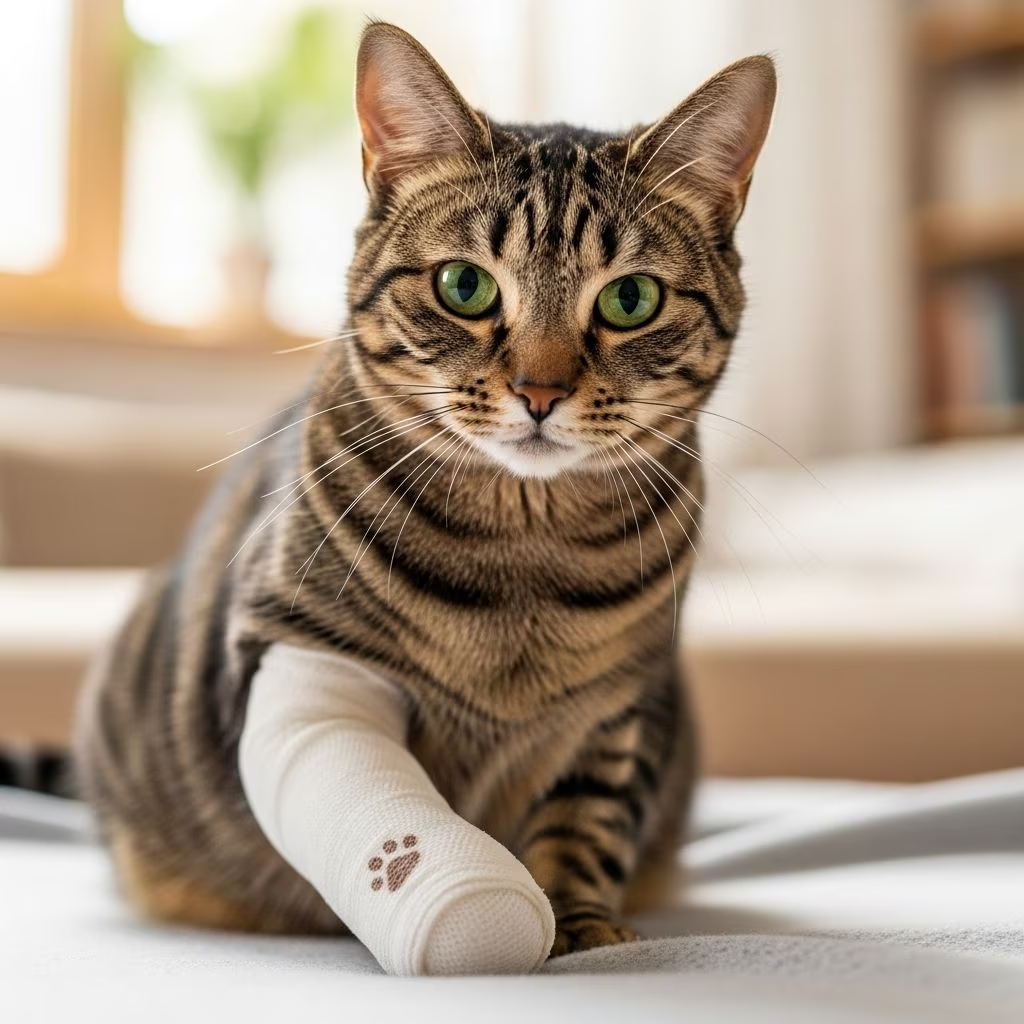
Fractures in a cat’s leg represent a frequent emergency in feline medicine, often stemming from high-impact incidents that demand swift action from pet owners. Recognizing the issue early can significantly improve outcomes, as timely veterinary intervention helps minimize pain and promotes proper healing.
Understanding Feline Leg Fractures
A broken leg in cats, medically termed a fracture, occurs when one or more bones in the limb shatter or crack. These injuries disrupt normal mobility and cause substantial discomfort. Cats’ lightweight yet agile builds make them prone to such trauma, particularly in dynamic environments. Fractures vary from simple hairline cracks to compound breaks piercing the skin, each requiring tailored care.
The skeletal structure of a cat’s leg includes the humerus in the upper front limb, radius and ulna in the lower front, femur in the upper hind, and tibia plus fibula in the lower hind. Any segment can fracture, influenced by force direction and bone health. Kittens and seniors face heightened risks due to softer or brittle bones, respectively.
Primary Causes of Leg Breaks in Cats
Cats sustain leg fractures through diverse mechanisms, predominantly trauma-related. High falls from balconies or trees, dubbed high-rise syndrome, rank among top culprits, especially in urban settings where indoor-outdoor cats climb recklessly.
- Tra vehicular accidents: Roadside collisions deliver blunt force, snapping bones on impact.
- Falls from heights: Multi-story drops frequently fracture hind legs upon landing.
- Fights with animals: Clashes with dogs or rival cats result in bites or crushing injuries.
- Household mishaps: Slamming doors on paws or tumbles down stairs cause closed fractures.
- Pathological weakening: Rare cases involve bone cancer or nutritional deficiencies predisposing to spontaneous breaks.
Outdoor cats encounter more risks than indoor counterparts, underscoring the value of supervised environments.
Key Indicators of a Fractured Leg
Observant owners spot leg fractures via behavioral and physical cues. Cats mask pain adeptly, yet severe injuries provoke unmistakable signals demanding urgent vet visits.
| Symptom | Description | Severity Level |
|---|---|---|
| Weight refusal | Cat avoids bearing weight on affected limb, hopping on three legs. | High |
| Vocal distress | Crying, howling, or growling when leg touched. | High |
| Visible changes | Swelling, bruising, deformity, or open wounds. | High |
| Behavioral shifts | Hiding, appetite loss, grooming neglect, aggression. | Medium |
| Limping | Obvious favoring of one leg during movement. | Medium |
These signs often appear suddenly post-trauma. Accompanying shock symptoms like rapid breathing or pale gums signal systemic involvement, necessitating immediate care.
Immediate First Aid Steps
Upon suspecting a break, prioritize safety without delaying professional help. Confine the cat to a quiet, padded carrier to prevent further damage from panicked thrashing. Avoid forcing the leg into position, as this exacerbates injury.
- Gently muzzle if biting risk exists.
- Apply a cold compress wrapped in cloth for 10-15 minutes to curb swelling.
- Transport promptly to a 24/7 vet clinic, especially post-hours.
- Withhold food/water until assessed, prepping for potential sedation.
Never administer human painkillers, as they prove toxic to felines.
Diagnostic Procedures at the Vet
Veterinarians initiate with a thorough physical exam, palpating the limb for crepitus (grating sensation) and assessing stability. Vital signs check rules out concurrent injuries like chest trauma from falls.
X-rays remain the gold standard, revealing fracture type—simple vs. comminuted, closed vs. open—plus displacement extent. Advanced cases may warrant CT scans for precise mapping, particularly in joints.
Bloodwork evaluates for infection or shock, guiding stabilization via IV fluids and analgesics before definitive repair.
Treatment Options for Fractured Legs
Approaches hinge on fracture complexity, cat’s age, and health status. All receive pain management and antibiotics for open wounds.
Non-Surgical Methods
Suitable for stable, non-displaced breaks, these promote natural healing over 4-8 weeks.
- Splints/Bandages: External supports immobilize via padded wraps, changed weekly.
- Cage Confinement: Strict rest in small enclosures prevents jumping.
- Pain Meds: Opioids or NSAIDs tailored for cats.
Surgical Interventions
Most fractures necessitate surgery for alignment and durability, especially in active cats.
- Pins/Wires: Internal fixation secures fragments.
- Plates/Screws: Rigid constructs for weight-bearing bones.
- External Fixators: Frames bypass soft tissues in contaminated wounds.
Post-op, e-collars deter licking, with follow-up X-rays monitoring union.
Recovery Timeline and Home Care
Healing spans 4-12 weeks, demanding owner diligence. Initial hospital stay stabilizes, followed by home rehab.
- Weeks 1-2: Absolute rest, frequent litter access.
- Weeks 3-6: Gradual mobility, bandage checks.
- Weeks 7+: Physiotherapy like gentle massages.
Monitor for complications: infection (pus, fever), non-union (persistent limp), or implant issues. Nutritious diet with calcium supports bone repair.
Potential Complications and Warnings
Untreated fractures heal crookedly, fostering arthritis or chronic lameness. Surgical risks include anesthesia reactions or hardware failure.
- Infection: Open fractures heighten sepsis risk.
- Compartment Syndrome: Swelling compresses tissues.
- Amputation: Viable for irreparable cases; cats adapt remarkably.
Preventing Leg Injuries in Cats
Proactive steps slash fracture odds. Indoor living trumps outdoor roaming, with window screens blocking falls. Microchipping aids strays’ return.
- Regular vet checkups detect bone weaknesses early.
- Secure homes: no climbable furniture near ledges.
- Weight management preserves agility.
Financial Aspects of Treatment
Costs vary: diagnostics $200-500, non-surgical $500-1500, surgery $2000-5000+. Pet insurance offsets burdens; seek low-cost clinics for ferals.
Frequently Asked Questions
Can a cat’s broken leg heal without surgery?
Yes, simple stable fractures may mend via splint and rest, but consult a vet for assessment.
How long does recovery take?
Typically 4-6 weeks for basic cases, longer for complex surgeries.
Will my cat walk normally again?
With prompt care, most regain full function; some residual stiffness possible.
What if I can’t afford surgery?
Charities like PDSA or RSPCA offer aid; amputation provides humane alternatives.
Is pain management safe at home?
Only vet-prescribed meds; human drugs are deadly.
References
- How To Tell If A Cat Has A Broken Leg — VHC Monterey Park Vet. 2023-09-15. https://www.vhc.la/site/blog/2023/09/15/cat-broken-leg
- How To Tell If A Cat Has A Broken Leg — TK Veterinary Services. 2022-05-30. https://www.tkves.com/site/blog/2022/05/30/cat-broken-leg
- How Can I Tell If My Cat Has a Broken Leg? — Steinway Court Vet. 2023-12-30. https://www.steinwaycourtvet.com/site/blog/2023/12/30/cat-broken-leg
- What Does Fixing a Cat’s Broken Leg Cost? — MetLife Pet Insurance. N/A. https://www.metlifepetinsurance.com/blog/pet-health/cat-broken-leg-cost/
- Signs That Your Cat Has a Broken Leg — Center Star Animal Hospital. 2024-02-29. https://www.centerstarvet.com/site/blog/2024/02/29/signs-cat-broken-leg
- What are the options for treating broken legs in cats? — Vet Help Direct. 2021-06-21. https://vethelpdirect.com/vetblog/2021/06/21/what-are-the-options-for-treating-broken-legs-in-cats/
- First Aid for Limping Cats — VCA Animal Hospitals. N/A. https://vcahospitals.com/know-your-pet/first-aid-for-limping-cats



