

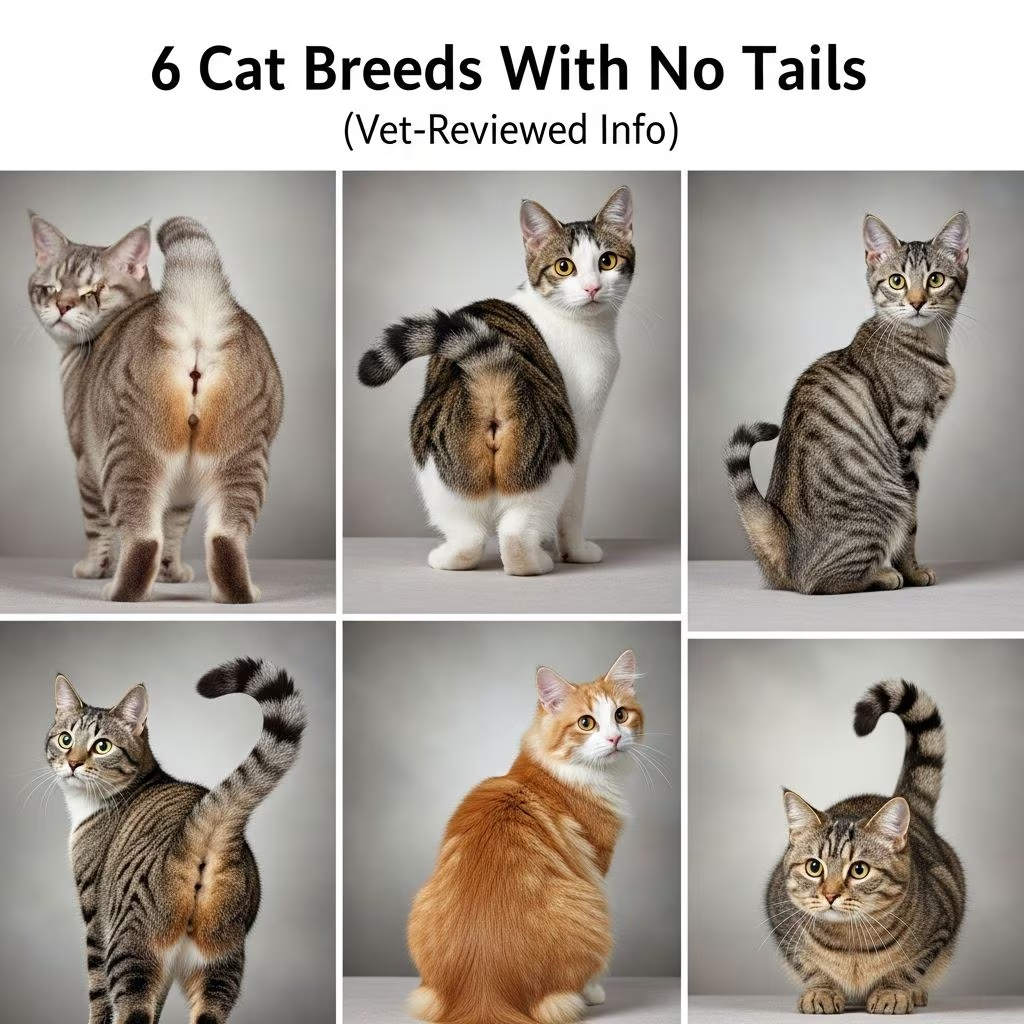
Cat breeds with no tails are a captivating group, distinguished by genetic mutations that result in absent or extremely short tails. These felines, often featuring stubby “rumpies” or pom-pom-like tails, hail from diverse origins and exhibit dog-like personalities, playfulness, and affection. While technically not all are completely tailless—some have short stumps—they’re collectively known as tailless breeds due to their minimal tail structure. This vet-reviewed guide covers six prominent breeds: American Bobtail, Japanese Bobtail, Kurilian Bobtail, Manx, Cymric, and Highlander, detailing their history, appearance, temperament, health considerations, and care needs.
These breeds arose from isolated populations or selective breeding, leading to the tailless trait caused by a dominant gene mutation affecting tail vertebrae. Importantly, breeding tailless cats requires caution to avoid health issues like spinal defects. Despite this, they make devoted companions for active households.
1. American Bobtail
The **American Bobtail** isn’t entirely tailless but sports a short, flexible stump tail resembling a wild bobcat, typically 1-2 inches long. Developed in the 1960s in the United States from domestic shorthairs with natural bobtail mutations, this breed mimics the rugged North American bobcat in appearance. Adults weigh 7-16 pounds, with males larger, and stand 12-16 inches tall at the shoulder. Their semi-long, shaggy coat comes in various colors and patterns, including tabby, tortoiseshell, and solid hues, providing a wild, tufted look with lynx-tipped ears and tufted paws.
Temperament-wise, American Bobtails are affectionate, social, and dog-like. They love interactive play, fetch, and leash walks, thriving on human companionship. Intelligent and adaptable, they get along with children, dogs, and other cats but require mental stimulation to prevent boredom-induced mischief.
Health concerns stem from the bobtail gene, including potential spinal issues or urinary tract problems, though responsible breeding minimizes risks. Life expectancy is 13-15 years with proper care. Grooming involves weekly brushing for their low-shedding coat; they need moderate exercise like puzzle toys and climbing structures.
- Key Traits: Short stump tail, wild appearance, playful and social.
- Origin: USA, 1960s.
- Weight: 7-16 lbs.
- Coat: Medium-length, shaggy, various colors.
2. Japanese Bobtail
The **Japanese Bobtail** features a distinctive short, rabbit-like pom-pom tail of 2-3 inches, not truly tailless but pompom-shaped due to kinked vertebrae. One of the oldest breeds, originating in Japan over 1,000 years ago, it’s celebrated in art and folklore as a symbol of good luck. Size is medium: 6-10 pounds, with a sleek, muscular build and almond-shaped eyes in vivid colors like blue, odd-eyed, or copper.
Coat options include short or long hair in striking calico, tortoiseshell, tabby, or solid patterns, often with white accents. They’re highly active, intelligent, and vocal, craving attention and excelling in agility games. Extremely social, they befriend strangers, dogs, and kids, making ideal family pets.
Robust health with few breed-specific issues; lifespan reaches 15-20 years. Minimal grooming suits their self-cleaning coats, but provide ample playtime to channel their energy.
- Key Traits: Pom-pom tail, energetic, people-oriented.
- Origin: Japan, ancient breed.
- Weight: 6-10 lbs.
- Coat: Short or long, multicolored.
3. Kurilian Bobtail
**Kurilian Bobtail** cats, from Russia’s Kuril Islands, have short, fluffy “rumpy riser” tails resembling pom-poms, giving a wild yet plush appearance. Developed naturally from island cats, possibly related to Japanese Bobtails, they’re rare outside Russia. Medium-large size: 10-15 pounds, with substantial bones and water-resistant double coats in tabby, solid, or tortoiseshell patterns, short or semi-long haired.
Playful, cuddly, and adaptable, they tolerate children and dogs well, though shy with strangers initially. Athletic hunters with dog-like loyalty, they enjoy fetch and exploration.
Health is generally strong, with 15-20 year lifespans, but monitor for tail-related spinal issues. Grooming requires weekly brushing, especially for longhairs, and they appreciate scratching posts.
- Key Traits: Pom-pom tail, friendly, hunter instincts.
- Origin: Russia (Kuril Islands).
- Weight: 10-15 lbs.
- Coat: Double, short or semi-long.
4. Manx
The iconic **Manx**, from the Isle of Man, is the quintessential tailless breed with four tail variations: rumpy (no tail), rumpy riser (small bump), stumpy (short tail), or longy (full tail). Taillessness results from a dominant M gene mutation causing sacral or caudal agenesis. Round-bodied and sturdy, they weigh 8-12 pounds, with short coats in myriad colors and tailless individuals showing a dimple at the rump.
Dog-like in loyalty, they’re playful, intelligent, and people-oriented, often learning tricks or fetch. Adaptable to apartments or farms, excellent mousers.
Health risks include Manx Syndrome (spinal defects, incontinence), so choose ethical breeders. Lifespan 13-16 years; low-maintenance grooming.
- Key Traits: Fully tailless options, mellow yet playful.
- Origin: Isle of Man.
- Weight: 8-12 lbs.
- Coat: Short, dense.
5. Cymric Cat
The **Cymric** is the longhaired counterpart to the Manx, sharing the same tailless genetics from Isle of Man origins. Not a separate breed but a coat variant, featuring lush, medium-long double coats that make them appear larger (8-12 pounds). Colors mirror the Manx, with a plush ruff and britches.
Energetic, devoted, and smart, Cymrics demand play and stimulation, bonding deeply with families. Polydactyl paws are common.
Same health concerns as Manx; regular grooming prevents mats. Lifespan 12-15 years.
- Key Traits: Longhaired tailless, loyal companion.
- Origin: Isle of Man (Manx variant).
- Weight: 8-12 lbs.
- Coat: Medium-long, dense.
6. Highlander Cat
The **Highlander Cat** (formerly Highland Lynx) boasts a stubby tail and curled ears from crosses with Jungle Curl and Desert Lynx. Developed in 1990s USA, it’s muscular and large (10-20 pounds) with short or long coats in wild patterns, often polydactyl.
Affectionate, water-loving adventurers, they excel as hunters and thrive with activity. Healthy with 15-year lifespan; moderate grooming.
- Key Traits: Stub tail, curled ears, wild look.
- Origin: USA, modern hybrid.
- Weight: 10-20 lbs.
- Coat: Short or long, patterned.
Tail Types in Tailless Breeds
Tailless breeds exhibit variations due to the M gene:
| Tail Type | Description | Breeds |
|---|---|---|
| Rumpy | No tail, dimple at rump | Manx, Cymric |
| Rumpy Riser | Small bony protrusion | Kurilian, Manx |
| Stumpy | 1-3 inch tail | American Bobtail, Highlander |
| Pom-pom | Curled, fluffy stub | Japanese, Kurilian Bobtail |
Health Considerations for Tailless Cats
The tailless mutation can cause Manx Syndrome: neurological issues, urinary incontinence, or bowel problems in 20-30% of kittens, necessitating ethical breeding (avoiding two M-gene parents). Regular vet checks, high-quality diet, and spaying/neutering are essential. These cats often live normal lives with screening.
Care Tips for Tailless Cat Breeds
- Provide interactive toys and vertical spaces for their active natures.
- Groom regularly, especially longhairs like Cymric.
- Monitor spine health with annual exams.
- Socialize early for family compatibility.
- Balanced diet supporting muscular builds.
Frequently Asked Questions
Are tailless cats healthy?
Many are, but the tailless gene risks spinal defects. Reputable breeders screen parents.
Do tailless cats need special care?
Standard care plus grooming and spine monitoring; they’re low-maintenance otherwise.
Can tailless cats jump well without tails?
Yes, they balance via strong hindquarters and adapt excellently.
Are Manx and Cymric the same breed?
Cymric is the longhaired Manx variety.
Which tailless breed is best for families?
Japanese Bobtail or Kurilian for their sociable, kid-friendly traits.
References
- 7 Cat Breeds with Unusual Features — Meow Mix. 2023. https://www.meowmix.com/cat-care/unusual-looking-cat-breed-features
- 7 Tailless Cat Breeds: A Guide — Trusted Housesitters. 2023. https://www.trustedhousesitters.com/blog/pets/tailless-cat-breed-guide/
- 6 Cat Breeds With No Tails (Vet-Reviewed) — Catster. 2024-01-14. https://www.catster.com/lifestyle/cat-breeds-with-no-tails/
- 8 Tailless Cat Breeds — Cats.com. 2023. https://cats.com/tailless-cat-breeds
- Bobtail Cats & Cats Without Tails — Litter-Robot. 2023. https://www.litter-robot.com/blog/bobtail-cats-without-tails/
- Cats Without Tails — KittyNook. 2023. https://kittynook.com/blogs/kittynookcorner/cats-without-tails
- 9 Cats with No Tails or Really Short Ones — Purina UK. 2024. https://www.purina.co.uk/find-a-pet/articles/cat-types/breed-guides/cats-with-no-tails



