

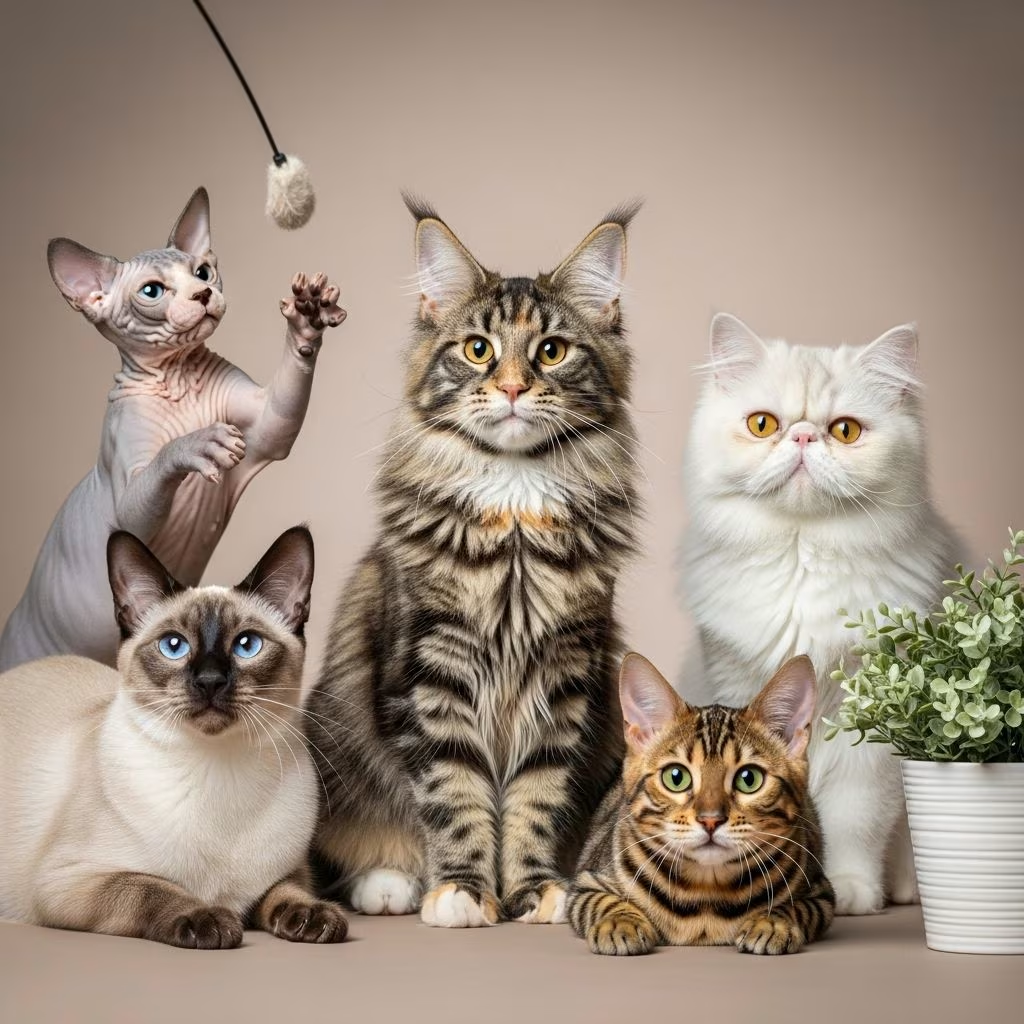
Every cat owner knows that felines possess a wide array of temperaments, ranging from playful and adventurous to serene and independent. While individual cats vary greatly, certain breeds tend to display consistent personality traits shaped by genetics, history, and selective breeding. Understanding these characteristics can help prospective owners select a cat that aligns with their lifestyle, whether they seek a lively playmate or a quiet cuddler. This article delves into the personalities of popular breeds, drawing from veterinary insights and behavioral studies to provide a comprehensive guide.
Core Personality Dimensions in Cats
Research identifies five primary personality traits in cats: neuroticism (anxiety and shyness), extraversion (curiosity and activity), dominance (aggression toward others), impulsiveness (erratic behavior), and agreeableness (affection and gentleness). These traits form a framework for evaluating breed tendencies. For instance, highly extraverted breeds excel in active homes, while agreeable ones thrive in family settings.
High-Energy and Adventurous Breeds
Some cats are natural explorers, brimming with curiosity and vigor. These breeds demand mental and physical stimulation to stay happy and healthy.
Abyssinian: The Energetic Explorer
Abyssinians are renowned for their boundless energy and inquisitive nature. These slender, ticked-coated cats love to climb, chase, and investigate every corner of their environment. They form strong bonds with owners, often following them room to room and enjoying interactive games like fetch. Their talkative trills and affectionate demeanor make them ideal for active households, though they dislike solitude.
Bengal: The Athletic Hunter
With wild ancestry from the Asian leopard cat, Bengals exhibit spotted or marbled coats and a spirited personality. They are highly intelligent, athletic, and water-loving, often splashing in baths or puddles. Bengals require extensive play, puzzle toys, and even outdoor adventures to channel their hunting instincts. Their friendly, talkative side shines in social settings, but they can be demanding of attention.
Ocicat and Devon Rex: Playful Performers
Ocicats combine a wild appearance with sociable, active traits, thriving on human interaction and games. Devon Rex cats, with their pixie-like faces and wavy fur, are mischievous and affectionate, always up for a romp. Both breeds score high on extraversion, needing toys and agility challenges to prevent boredom.
Calm and Affectionate Companions
For those preferring laid-back felines, several breeds offer gentleness and devotion without excessive demands.
Maine Coon: The Gentle Giant
Maine Coons are massive, fluffy cats with dog-like loyalty. They are sociable, chatty, and love snuggling, often greeting family members enthusiastically. Despite their size, they are patient with children and other pets, enjoying mental games like treat hunts. Their calm yet playful nature suits families perfectly.
Ragdoll: The Ultimate Lap Cat
True to their name, Ragdolls go limp when held, embodying docility and sweetness. These blue-eyed beauties follow owners devotedly, crave cuddles, and remain quiet unless playing. Interactive sessions keep them fit, but they flourish in peaceful homes with plenty of affection.
British Shorthair and Chartreux: Relaxed Relaxers
British Shorthairs are even-tempered, curious yet content to lounge. Chartreux cats blend gentleness with quiet playfulness, forming deep bonds without clamor. Both prefer cozy spots and moderate activity.
Vocal and Social Personalities
Chatty breeds bring conversation to the home, demanding engagement through meows and gestures.
Siamese: The Vocal Communicator
Siamese cats are intelligent, mischievous, and extremely vocal, using a range of meows to express needs. They bond intensely, hating isolation, and excel in training due to their smarts. Active play and companionship are essentials for their social extraversion.
Burmese and Balinese: Outgoing Orators
Burmese attach quickly, outgoing and people-oriented. Balinese, Siamese relatives, are intelligent and pet-loving, quietly affectionate. Both thrive on interaction.
Independent and Reserved Types
Not all cats crave constant attention; some prefer observing from afar before warming up.
Persian and Russian Blue: Selective Sweethearts
Persians are docile, quiet, and self-sufficient, content on a perch or lap once trust is earned. Russian Blues, with their dense coats and green eyes, are shy with strangers but devoted to familiars, disliking noise.
Norwegian Forest Cat: Solitary Adventurer
These sturdy climbers are independent hunters at heart, affectionate yet fine alone.
Comparing Breed Personalities: A Quick Guide
| Breed | Energy Level | Affection | Vocalness | Best For |
|---|---|---|---|---|
| Abyssinian | High | High | Moderate | Active singles |
| Bengal | Very High | High | High | Adventurous families |
| Maine Coon | Medium | Very High | Moderate | Families with kids |
| Ragdoll | Low-Medium | Very High | Low | Lap lovers |
| Siamese | High | High | Very High | Social homes |
| Persian | Low | Moderate | Low | Quiet apartments |
Factors Beyond Breed: Environment and Upbringing
While breeds influence personality, early socialization, health, and home dynamics play crucial roles. A fearful breed like Russian Blue may bolden with gentle handling, per studies on feline behavior. Neutering reduces dominance and impulsivity across breeds.
Choosing the Right Breed for Your Lifestyle
- Busy professionals: Opt for independents like Persians or American Shorthairs.
- Families with children: Gentle giants such as Maine Coons or Ragdolls.
- Active adventurers: Bengals or Abyssinians for shared exploits.
- Seniors or quiet homes: Calm types like British Shorthairs.
Visit shelters or breeders to observe traits firsthand, as mixed breeds often blend qualities appealingly.
Frequently Asked Questions (FAQs)
Do all cats of the same breed have identical personalities?
No, while breeds show tendencies, individual experiences shape uniqueness. Genetics provide a baseline, but nurture refines it.
Which cat breed is best for first-time owners?
Forgiving breeds like Ragdolls or British Shorthairs suit novices due to their patience and low-maintenance vibes.
Can cat personalities change over time?
Yes, kittens mature, and life events influence traits. Positive reinforcement enhances agreeableness.
Are mixed-breed cats less predictable?
Often more so, inheriting diverse traits, but many excel in adaptability.
How can I test a cat’s personality before adoption?
Interact in varied settings, note reactions to toys, people, and noises.
References
- Kitty Personalities! Personality Traits of Different Breeds? — FELIWAY. 2023. https://www.feliway.co.uk/blogs/news/kitty-personalities-what-personality-traits-do-different-breeds-have
- Ten Popular Cat Breeds and Their Personalities — Animal Care Center. 2023. https://www.animalcarectr.com/blog/ten-popular-cat-breeds-and-their-personalities
- Understanding Cat Breed Characteristics — Willow Glen Pet Hospital. 2024. https://willowglenpethospital.com/understanding-cat-breed-characteristics/
- Pet Personality Traits: What Your Dog or Cat’s Breed Says About Them — OVRS. 2023. https://www.ovrs.com/blog/pet-personality-traits-what-your-dog-or-cats-breed-says-about-them/
- The Unique Temperaments of Popular Cat Breeds — IAMS. 2024. https://www.iams.com/cat/cat-articles/cat-personality-awards-unique-temperaments-popular-cat-breeds
- Character and Quirks of the 5 Most Common Cat Breeds — VCA Animal Hospitals. 2023. https://vcahospitals.com/resources/lifestyle-cat/breeds/character-and-quirks-of-the-5-most-common-cat-breeds
- Reliability and Validity of Seven Feline Behavior and Personality Traits — PMC (Peer-reviewed). 2021-07-20. https://pmc.ncbi.nlm.nih.gov/articles/PMC8300181/



