

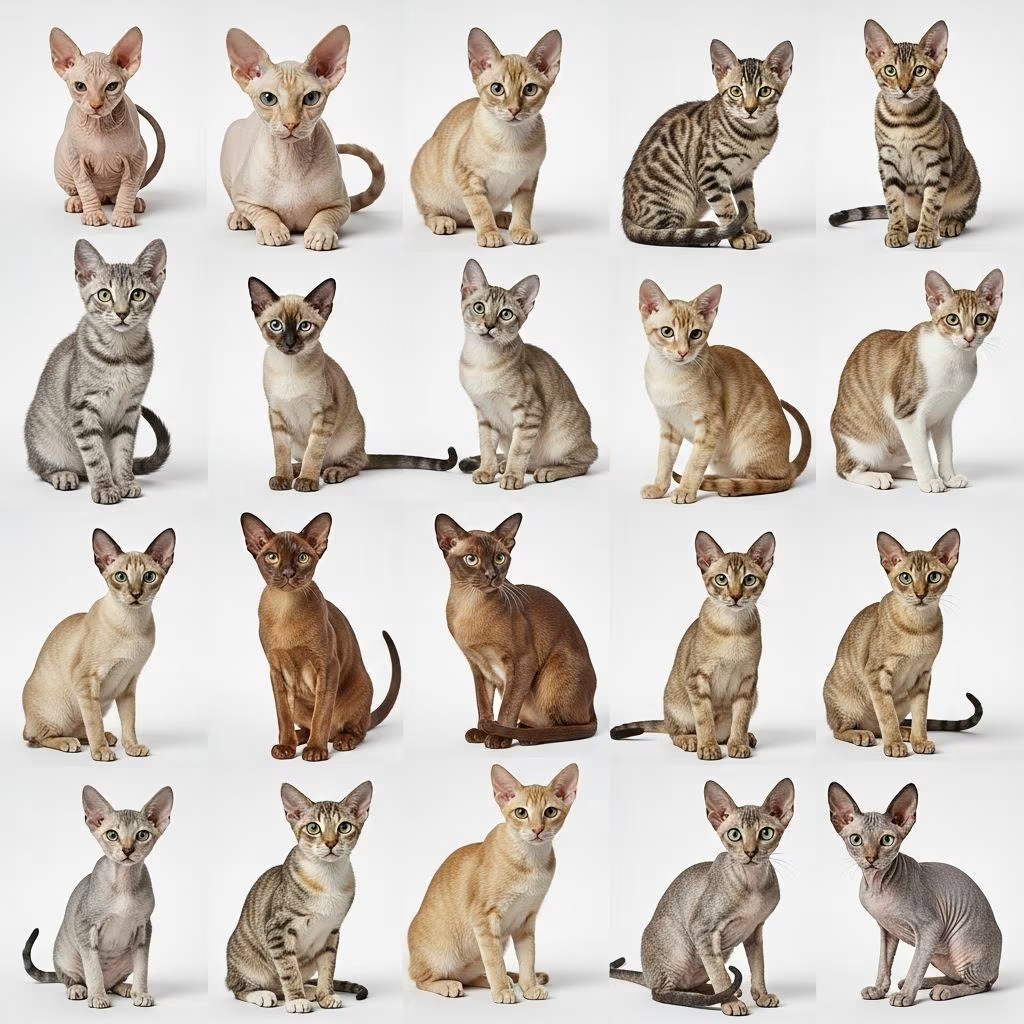
Understanding Low-Shedding and Hypoallergenic Cats
When searching for the perfect feline companion, many cat lovers prioritize breeds that shed minimally. Whether you’re concerned about maintaining a cleaner home or managing cat allergies, understanding the difference between low-shedding and hypoallergenic cats is essential. It’s a common misconception that “hypoallergenic” means completely allergen-free, but this is not the case with cats.
The primary culprit behind cat allergies isn’t actually cat fur itself—it’s Fel d 1, a protein found in cat skin, dander, and saliva that gets transferred to their fur through self-grooming. This means that while certain breeds produce fewer allergens and shed less hair, no cat breed is truly 100% hypoallergenic. However, low-shedding breeds significantly reduce the amount of hair and dander dispersed throughout your home, making them an excellent choice for people with mild to moderate allergies or those who simply prefer a tidier living space.
Understanding these distinctions helps you make an informed decision when selecting your next feline companion. Let’s explore some of the most popular low-shedding cat breeds available today.
Hairless Cat Breeds
Hairless cat breeds represent the ultimate solution for those seeking minimal shedding. Since these cats have little to no fur, they naturally eliminate the primary source of shedding. However, it’s important to note that hairless breeds still require regular skin and coat care to maintain their health and comfort.
Sphynx
The Sphynx is perhaps the most recognizable hairless cat breed. These distinctive cats are characterized by their wrinkled skin, large ears, and striking appearance. Despite their lack of fur, Sphynx cats still produce Fel d 1 protein, so they may not be ideal for severe allergy sufferers. However, their complete absence of hair means zero shedding.
Sphynx cats require special care due to their exposed skin. They need regular baths to remove oil buildup, should be protected from direct sunlight to prevent burns, and require a warm environment as they lack the insulation that fur provides. These cats are energetic, affectionate, and love being the center of attention.
Donskoy
The Donskoy is an elegant Russian breed that comes in four different coat types. Most Donskoy cats are nearly hairless, with only some displaying patchy fur or short peach-fuzz that feels incredibly soft. This variability in coat types makes them an excellent low-shed option regardless of which type you encounter.
Donskoy cats are highly sociable and enjoy being the center of attention. They bond closely with their families and thrive in interactive environments. Like the Sphynx, they require regular skin care and protection from extreme temperatures.
Peterbald
The Peterbald is a cross between the Sphynx and the Oriental Shorthair, resulting in a mostly hairless cat that may have fine, short fur patches on their head and body. These larger cats typically weigh around 14 pounds and combine the best traits of both parent breeds.
Peterbald cats are intelligent, affectionate, and require similar care to other hairless breeds. Their unique heritage gives them an elegant appearance and a loving temperament.
Curly-Coated Cat Breeds
Curly-coated breeds possess unique fur structures that significantly reduce shedding. Their distinctive coats consist primarily of undercoat without guard hairs, resulting in minimal hair loss throughout your home.
Cornish Rex
The Cornish Rex is a small cat, typically weighing less than eight pounds, with a curly coat that lies close to the body. Their coat consists entirely of soft, wavy undercoat—a feature that makes them exceptional low-shedders. The unique texture of their fur is distinctly different from other cat breeds and feels incredibly soft to the touch.
These cats are highly active and playful, making them perfect for families or individuals seeking an interactive companion. Cornish Rex cats love to play and climb, so providing vertical spaces and engaging toys is important. Their undercoat can become oily and may require occasional wiping, but they don’t need frequent combing like many other breeds.
Devon Rex
Similar to the Cornish Rex, the Devon Rex features a soft, curly coat that sheds minimally. These cats have a distinctive elfin appearance with large ears and mischievous personalities. Devon Rex cats are highly intelligent and enjoy interactive play and mental stimulation.
The Devon Rex’s curly coat requires similar care to the Cornish Rex, including occasional skin care and gentle maintenance. Despite their small size, these cats have big personalities and form strong bonds with their human families.
Dense-Coated Low-Shedding Breeds
Several cat breeds feature dense, short coats that naturally shed less frequently. These breeds typically have tight-lying coats that minimize hair dispersion.
Russian Blue
The Russian Blue is a stunning breed with a distinctive silver-blue double coat tipped in silver that shimmers beautifully. What makes this breed particularly appealing is that they generally shed only once or twice per year, over a concentrated two to three-week period. This seasonal shedding pattern makes them one of the easiest breeds to manage for grooming purposes.
Russian Blues are medium-sized cats with graceful, muscular builds and gentle temperaments. They’re known for being easy to train and are loyal to their families while maintaining a slightly reserved nature around strangers. These cats enjoy both playtime and quiet companionship.
Korat
The Korat features a distinctive silver-tipped blue coat consisting of a single layer that lies close to the body. This tight, short coat naturally results in minimal shedding compared to other breeds. The Korat’s soft fur is a joy to touch and requires minimal grooming maintenance.
Korats are playful, intelligent cats that love to cuddle and stay close to their humans. They’re well-suited for apartment living and form strong bonds with their families. These cats appreciate both activity and relaxation time.
Exotic Shorthair
Often described as a short-haired Persian, the Exotic Shorthair features a thick, dense coat that sheds minimally. Despite their plush appearance, these cats require less grooming than their long-haired counterparts, though regular combing helps remove dead hair and maintains coat health.
Exotic Shorthairs are calm, relaxed cats that are highly affectionate and adaptable. They thrive in both apartment settings and country homes, making them an excellent choice for various living situations.
Short-Coated Low-Shedding Breeds
Several short-coated breeds naturally shed less than average due to their coat structure and characteristics.
Bombay
If you’ve ever dreamed of owning a miniature panther, the Bombay cat may be your perfect match. This breed features a sleek, deep black coat with minimal shedding characteristics. Generations of selective breeding have created a cat with a distinctive appearance and admirable temperament.
Bombay cats are almost dog-like in nature, displaying loyalty and affection similar to canine companions. They can be leash-trained, enjoy playing fetch, and are extremely affectionate with their families. These cats make wonderful companions for those seeking an interactive, loving feline friend.
Siamese
The Siamese is an easily recognized breed with distinctive colorpoint markings and striking blue eyes. These popular cats shed minimally despite their short coats. Beyond their low-shedding nature, Siamese cats are known for their unique vocalizations—their voices are a distinctive cross between a rasp and a yowl.
Siamese cats are highly intelligent, social, and demanding of attention. They bond closely with their families and enjoy interactive play. Their unique personality and striking appearance make them a timeless choice.
Oriental Shorthair
The Oriental Shorthair features silky, short coats that shed minimally and require regular brushing. These elegant cats come in a variety of colors and patterns and possess similar personality traits to their Siamese cousins. They’re affectionate, vocal, and people-oriented cats that thrive on human interaction.
Abyssinian
The Abyssinian cat features a glossy, dense, and resilient coat with a distinctive ticked tabby pattern. Known for their ruddy or red coloring, Abyssinians can display other colors as well. Despite being highly active and well-muscled, they have short coats that don’t shed excessively and require minimal grooming.
Abyssinians are energetic, graceful cats that need plenty of attention and playtime. They have lithe, cougar-like movements and are otherwise low-maintenance despite their high energy levels.
Tonkinese
The Tonkinese is a cross between the Siamese and Burmese breeds, resulting in a short-coated, low-shedding cat. These cats combine the best traits of both parent breeds, offering an ideal balance of affection and independence.
Semi-Long-Haired Low-Shedding Breeds
Some breeds prove that you can have longer hair while maintaining low shedding characteristics.
Javanese
The Javanese is the semi-longhair version of the Colorpoint Shorthair, which itself is a version of the Siamese cat. Despite their longer fur, Javanese cats shed minimally and their coats don’t tangle easily. Their semi-long hair comes in various colors including red and cream, providing a beautiful aesthetic.
Javanese cats are similar to Siamese cats in temperament—they’re loving, vocal, and people-oriented. These cats will follow you around your home and “converse” with you throughout the day through their distinctive vocalizations.
Balinese
Despite their long and silky coats, Balinese cats are known to be low shedders. Their single-layered coat doesn’t mat easily, and brushing a few times per week maintains coat health and minimizes shedding. These elegant cats offer the aesthetic appeal of longer hair without the excessive shedding typical of long-coated breeds.
Siberian
Despite its long and plentiful coat, the Siberian cat actually sheds less hair than many other breeds and is known to be hypoallergenic. This paradoxical characteristic makes Siberians an excellent choice for those seeking a long-coated companion with manageable shedding.
Bengal Cats
The Bengal is originally a cross between the domestic Tabby cat and the wild Asian Leopard Cat. Today’s Bengals have mostly domestic genes, making them unique domestic house cats with stunning wild-looking patterns. One of the main benefits of the Bengal breed is their short, silky coats that shed minimally.
Bengals feature beautiful coats with wild-looking patterns and are considered low-shedding despite their luxurious appearance. They’re active, intelligent cats that require environmental enrichment and interactive play.
Care Considerations for Low-Shedding Cats
While low-shedding breeds require less frequent vacuuming and lint rolling, they still need regular skin and coat care to maintain optimal health. Different breeds have specific grooming and maintenance requirements that should be understood before bringing them home.
Regular Grooming and Hygiene
Even low-shedding cats benefit from regular brushing and grooming. Grooming helps remove dead hair that might otherwise accumulate on their skin, promotes healthy coat growth, and provides an opportunity to check for skin issues. Daily hygiene routines support your cat’s overall health and strengthen your bond.
Skin Care for Hairless Breeds
Hairless cats require special attention to their exposed skin. Regular baths remove oil buildup, and they need protection from sunburn and extreme temperature changes. These cats should never be left outside unsupervised and require warm environments during cold weather.
Environmental Considerations
All cats benefit from appropriate environmental enrichment, vertical spaces for climbing, and engaging toys. Low-shedding breeds are no exception and often require mental stimulation and physical activity to maintain their health and happiness.
Frequently Asked Questions
Q: Are low-shedding cats truly hypoallergenic?
A: No cat breed is completely hypoallergenic. Low-shedding cats produce fewer allergens and shed less hair, making them suitable for people with mild allergies, but they still produce the Fel d 1 protein that triggers allergies in sensitive individuals.
Q: Do low-shedding cats require more grooming?
A: It depends on the breed. Hairless breeds require regular baths and skin care, while some curly-coated breeds may need occasional wiping. However, most low-shedding breeds require less frequent brushing than shedding breeds.
Q: Which low-shedding breed is best for families with children?
A: Breeds like the Bombay (dog-like and affectionate), Cornish Rex (playful and interactive), and Russian Blue (gentle and adaptable) are excellent choices for families with children.
Q: How often do low-shedding cats need veterinary care?
A: Like all cats, low-shedding breeds should visit the veterinarian annually for wellness checks. Hairless breeds may require additional visits to address skin-specific health concerns.
Q: Can low-shedding cats live in apartments?
A: Yes, many low-shedding breeds, such as Russian Blues and Exotic Shorthairs, are well-suited for apartment living due to their calm temperaments and moderate exercise needs.
Q: Are low-shedding cats more expensive?
A: Generally, low-shedding and hairless breeds can be more expensive than common shedding breeds due to breeding costs and demand, but prices vary significantly by breed and breeder.
References
- Cat Breeds That Shed the Least — Bond Vet. 2025. https://bondvet.com/blog/cat-breeds-shed-the-least
- 5 Cat Breeds That Don’t Shed — Lakeland Animal Clinic. 2025. https://lacvets.com/blog/5-cat-breeds-that-dont-shed/
- 20 Cat Breeds That Don’t Shed — Chewy. 2025. https://www.chewy.com/education/cat/general/behavior-breeds-cat-breeds-that-dont-shed
- 12 Cat Breeds That Don’t Shed or Shed Very Little — Litter-Robot. 2025. https://www.litter-robot.com/blog/cats-that-dont-shed-15-breeds/
- 12 ‘Hypoallergenic’ Cats for People With Allergies — PetMD. 2025. https://www.petmd.com/cat/general-health/hypoallergenic-cat-breeds
- A Closer Look at Feline Fur: Cat Breeds That Don’t Shed As Much — Royal Canin. 2025. https://www.royalcanin.com/us/cats/breeds/cat-breeds-that-dont-shed
- Best Cat Breeds For People With Allergies — Longwood Veterinary Clinic. 2025. https://longwoodvet.com/website/published/learn_more_about_best-cat-breeds-for-people-with-allergies_a_part_of_longwood-veterinary-clinic_blogs



