

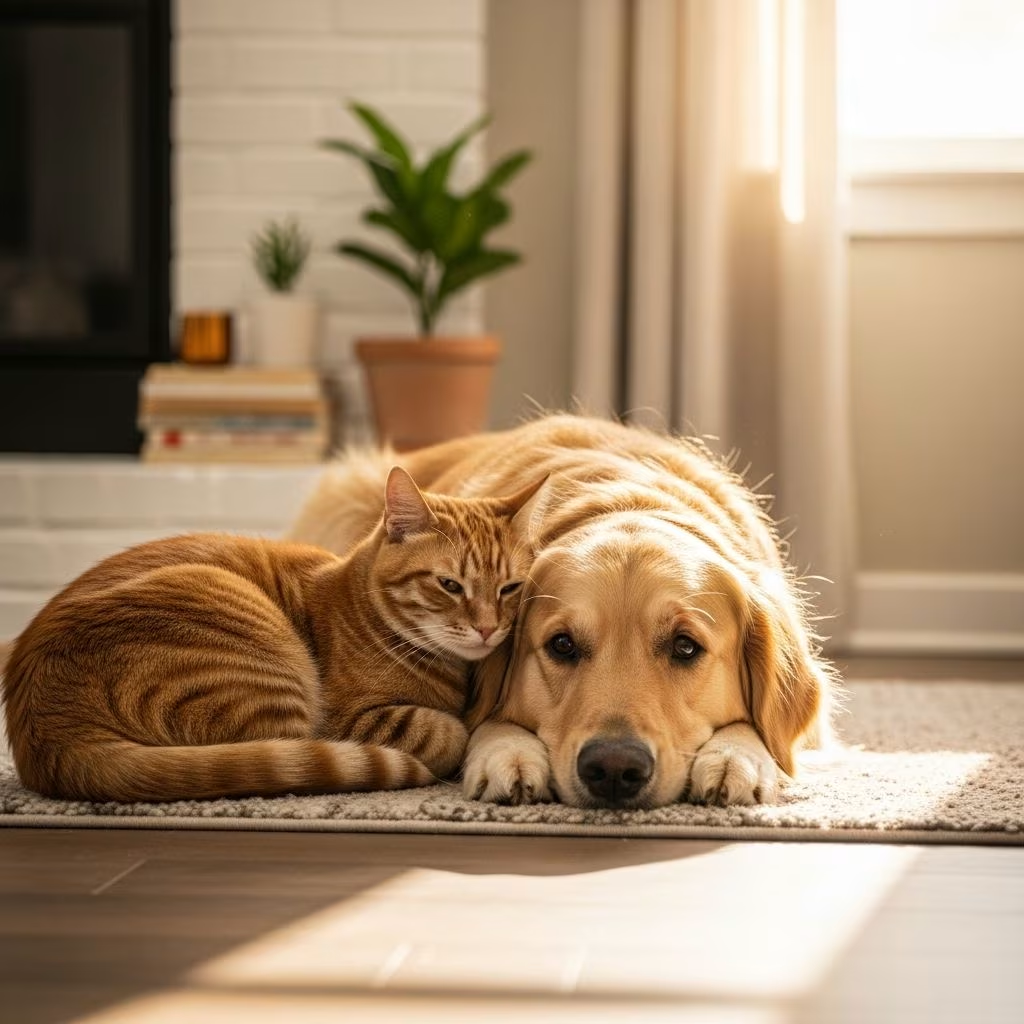
Bringing a cat into a home already occupied by a dog can create a joyful, dynamic environment if the breeds are chosen wisely. Certain cat breeds exhibit temperaments that align well with canine energy levels, social needs, and play styles, leading to strong interspecies friendships. This guide highlights standout breeds based on their documented sociability, adaptability, and ease of integration with dogs, drawing from veterinary insights and breed standards.
Why Some Cats Excel with Dogs
Cats that coexist peacefully with dogs often share traits like confidence, playfulness, and low territoriality. These felines view dogs as playmates rather than threats, engaging in mutual activities such as chasing or lounging. Proper introductions remain crucial, regardless of breed, involving gradual exposure in neutral spaces with supervision. Factors like early socialization and matching energy levels further enhance compatibility.
Standout Breeds for Multi-Pet Harmony
Below, we detail ten breeds frequently praised for their dog tolerance. Each includes physical characteristics, personality insights, and care considerations tailored to homes with canines.
Maine Coon: The Gentle Giant
Maine Coons stand out for their dog-like loyalty and sociable nature. These large, muscular cats with tufted ears and bushy tails often weigh 10-25 pounds, featuring water-repellent coats suited for active lifestyles. Their friendly demeanor allows them to bond quickly with dogs, enjoying fetch games or outdoor explorations together. Owners report Maine Coons patiently adapting to canine antics, making them ideal for families with energetic pups.
- Size: Large (up to 4 feet long including tail)
- Energy Level: Moderate to high; loves play but also cuddles
- Grooming: Weekly brushing to manage thick fur
- Dog Compatibility: Excellent; treats dogs as pack members
Ragdoll: Relaxed and Affectionate
Ragdolls earn their name by going limp when held, reflecting their docile temperament. With striking blue eyes and semi-long, silky fur, they weigh 10-20 pounds and thrive in calm environments. Their gentle patience tolerates boisterous dogs, often leading to shared naptime spots. Socialization from kittenhood amplifies their adaptability.
Birman: Playful Peacemakers
Birmans, with their colorpoint coats and white-gloved paws, are calm yet engaging companions. Weighing 7-12 pounds, they enjoy tag-like games with dogs, running alongside without fear. Their balanced energy prevents overstimulation, fostering equitable play dynamics. Regular grooming maintains their luxurious fur.
British Shorthair: Independent Yet Sociable
These stocky, blue-gray cats possess a laid-back vibe, weighing 9-18 pounds with dense, plush coats. Independent but loving, they form attachments to household dogs without clinginess, preferring lounging sessions over constant interaction. Their size matches well with larger breeds.
Abyssinian: Energetic Adventurers
Abyssinians boast a slender, ticked coat and athletic build (6-10 pounds), radiating curiosity. Their high energy matches active dogs for chasing and climbing escapades. Fearless explorers, they initiate play confidently.
Siberian: Robust and Loving
Siberians feature triple-layered coats and sturdy frames (10-20 pounds), hypoallergenic for many. Their nurturing instincts extend to dogs, building deep bonds after initial adjustment periods.
Tonkinese: Outgoing Mix
A Siamese-Burmese hybrid, Tonkinese (6-12 pounds) shine with playful, vocal personalities. They adapt swiftly to dogs, enjoying interactive games and forming sibling-like ties.
Japanese Bobtail: Bold Leaders
With distinctive short tails and agile bodies (7-10 pounds), these cats assert confidence around dogs. Intelligent and active, they thrive in bustling homes, often leading play sessions.
American Shorthair: Easygoing All-Rounders
Versatile and mellow (8-15 pounds), American Shorthairs tolerate dogs well, balancing nap time with occasional romps. Their short coats require minimal upkeep.
Sphynx: Warm and Social
Hairless yet wrinkly, Sphynx cats (7-12 pounds) crave warmth and affection, cuddling with dogs for body heat. Intelligent and outgoing, they integrate seamlessly.
Comparing Key Traits
| Breed | Size | Energy | Grooming Needs | Best Dog Match |
|---|---|---|---|---|
| Maine Coon | Large | High | High | Active breeds |
| Ragdoll | Medium-Large | Low-Moderate | Medium | Calm breeds |
| Birman | Medium | Moderate | Medium | Playful mixes |
| British Shorthair | Medium-Large | Low | Low | Large, laid-back |
| Abyssinian | Small-Medium | High | Low | Energetic hounds |
Strategies for Successful Introductions
Even dog-friendly breeds need careful onboarding. Start with scent swapping via blankets, then progress to leashed meetings in neutral areas. Provide separate resources like food bowls and litter boxes to minimize competition. Positive reinforcement with treats rewards calm behavior. Monitor for stress signals like hissing or tail-puffing, allowing retreat options. Patience often yields lifelong companions within weeks.
- Prepare safe spaces for each pet
- Supervise all interactions initially
- Match play sessions to energy peaks
- Consult vets for health checks pre-introduction
Care Essentials in Mixed Households
Multi-pet homes demand balanced nutrition, exercise, and health monitoring. Cats may need elevated perches to escape overzealous dogs. Regular vet visits ensure vaccinations align, preventing cross-species illnesses. Toys that encourage joint play, like wand teasers, strengthen bonds.
Potential Challenges and Solutions
Challenges include prey drive in some dogs or territorial cats. Solutions involve training commands like “leave it” for dogs and pheromone diffusers for cats. Age pairings matter: kittens adapt faster to adult dogs, while seniors prefer mellow mates.
FAQs
Can any cat learn to like dogs?
While breed predisposes compatibility, individual socialization trumps genetics. Early exposure yields best results.
What if my dog is aggressive?
Prioritize training; consult professionals before adding a cat.
Are there hypoallergenic options?
Yes, Siberians and some Maine Coons produce fewer allergens.
How long for full adjustment?
Typically 2-8 weeks, varying by personalities.
Best for apartments?
British Shorthair or American Shorthair for lower energy needs.
References
- Best Cat Breeds for People Who Own a Dog — Lifetime Pet Cover. 2023. https://www.lifetimepetcover.co.uk/pet-advice/news/best-cat-breeds-for-people-who-own-a-dog/
- The Best Cat Breeds for Dogs — FitBark. 2023. https://www.fitbark.com/blog/the-best-cat-breeds-for-dogs/
- 7 Best Dog-Friendly Cat Breeds — Good Housekeeping. 2024-06-12. https://www.goodhousekeeping.com/life/pets/g65887700/cat-breeds-that-are-good-with-dogs/



