

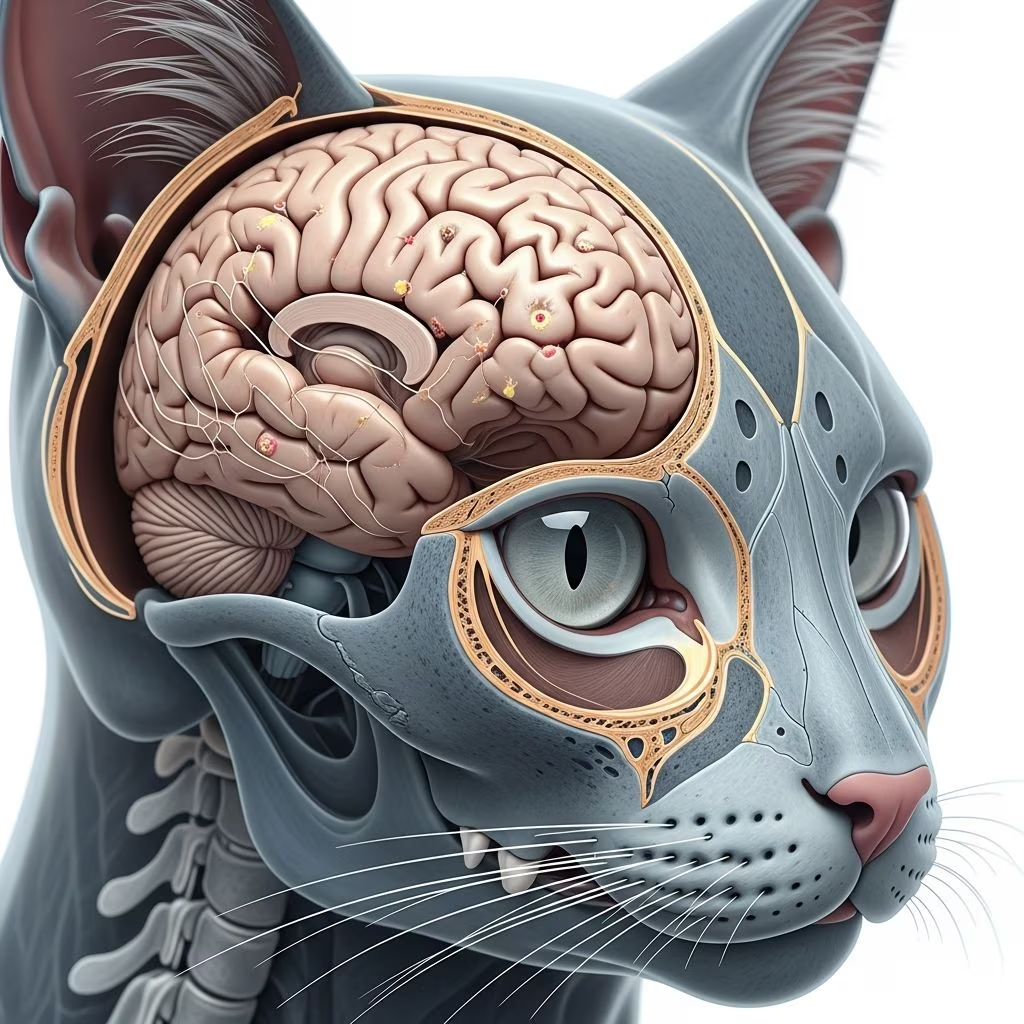
Neurological disorders in cats affect the brain, spinal cord, and nerves, leading to a range of symptoms that can significantly impact quality of life. These conditions vary from congenital issues to acquired diseases like infections, tumors, and metabolic imbalances. Early detection through observing changes in movement, behavior, or coordination is crucial for effective management.
Recognizing Early Warning Signs
Cats with brain-related problems often show subtle initial signs that owners might overlook. Common indicators include uncoordinated movements, known as ataxia, where the cat stumbles or circles; sudden seizures characterized by convulsions, drooling, or loss of consciousness; and behavioral shifts such as increased aggression, confusion, or hiding more than usual.
- Seizures: Brief episodes of uncontrolled shaking or paddling limbs, often lasting seconds to minutes.
- Balance issues: Head tilting, falling over, or reluctance to jump.
- Weakness: Dragging hind legs or paralysis in severe cases.
- Sensory changes: Blindness, dilated pupils, or exaggerated reactions to touch.
These symptoms can stem from various sources, making veterinary evaluation essential. A thorough neurological exam helps pinpoint whether the issue is in the brain (forebrain, brainstem), spinal cord, or peripheral nerves.
Major Types of Feline Neurological Conditions
Cats face diverse brain disorders, categorized by cause: structural, infectious, neoplastic (tumors), and systemic. Understanding these aids in prompt intervention.
Structural and Vascular Problems
Feline ischemic encephalopathy arises from parasite migration, like Cuterebra larvae, blocking brain blood flow. Symptoms include lethargy, disorientation, ataxia, and seizures. Treatment may involve ivermectin to kill the parasite, alongside anti-inflammatories like dexamethasone and supportive care to restore circulation.
Another issue is fibrocartilaginous embolism (FCE), where spinal emboli cause sudden hind limb weakness or paralysis. Supportive therapies, anti-seizure drugs, and physical rehab help recovery.
Infectious and Inflammatory Diseases
Feline infectious peritonitis (FIP) frequently involves the central nervous system in about 30% of cases, causing multifocal signs like seizures, vestibular dysfunction, paresis, and behavioral alterations. Diagnosis combines imaging, blood tests for alpha-1-glycoprotein, and PCR. While definitive cure is challenging, supportive care manages symptoms.
Toxoplasmosis, from the protozoan Toxoplasma gondii, leads to similar multifocal CNS signs: ataxia, blindness, torticollis, and seizures. Clindamycin is the primary treatment, with PCR on CSF confirming infection.
Otitis media/interna, stemming from ear infections, results in unilateral head tilt, nystagmus, facial paralysis, and Horner’s syndrome. Prolonged antibiotics (6-8 weeks) and possible surgery yield good outcomes.
Tumors and Neoplastic Disorders
Meningiomas, common in senior cats, cause behavior changes, seizures, and balance loss based on location. Surgical excision offers curative potential; radiation or palliation follows if inoperable.
CNS lymphoma affects young FeLV-positive cats or seniors, often in the spinal cord, leading to paresis. Chemotherapy, radiation, or surgery are options, with variable success.
Systemic Conditions Mimicking Brain Disorders
Hypertension triggers encephalopathy with seizures and vestibular signs. Amlodipine besylate effectively lowers blood pressure; mannitol addresses brain edema in crises.
Hepatic encephalopathy from liver dysfunction causes prosencephalic signs like aggression, pacing, head pressing, and blindness. Ammonia reduction via diet and lactulose improves outcomes.
Cognitive dysfunction in aging cats resembles dementia, with memory loss and sleep disturbances. No cure exists, but supplements and environmental enrichment help.
Diagnostic Approaches for Accurate Identification
Veterinarians use a multi-step process. Initial bloodwork and urinalysis screen for systemic issues like hypertension or liver failure. Imaging via MRI or CT reveals tumors, inflammation, or vascular problems. Cerebrospinal fluid (CSF) analysis detects infections or cancer cells.
Key Diagnostic Tools:
| Tool | Purpose | Common Findings |
|---|---|---|
| MRI/CT Scan | Visualize brain/spinal structures | Tumors, edema, infarcts |
| CSF Tap | Check for inflammation/infection | Elevated proteins, cells |
| Blood Pressure Measurement | Detect hypertension | Systolic >160 mmHg |
| PCR Testing | Identify pathogens | FIPV, Toxoplasma DNA |
Treatment Strategies Tailored to Causes
Treatments target underlying issues. Anti-seizure drugs like phenobarbital control epilepsy lifelong. Infections respond to antibiotics, antivirals, or antiparasitics. Tumors may require surgery, chemo, or radiation.
- Medications: Steroids reduce swelling; amlodipine for hypertension.
- Surgery: Tumor removal or abscess drainage.
- Supportive Care: Physical therapy, fluids, nutrition.
For irreversible cases like advanced dementia, focus shifts to comfort with pain relief and behavioral aids.
Prevention and Home Management Tips
Preventive measures include FeLV vaccination, parasite control, and regular senior checkups for blood pressure. At home, create safe environments: low litter boxes, ramps, and consistent routines minimize injury. Monitor for changes and seek prompt vet care.
Prognosis Across Conditions
Outcomes vary: excellent for treatable infections like otitis; guarded for FIP or lymphoma; favorable post-meningioma surgery. Early intervention boosts survival rates.
Frequently Asked Questions
Can cats recover fully from seizures?
Yes, many do with medication, though lifelong management is common.
Is neurological disease painful for cats?
Some are, like hyperesthesia; pain meds alleviate discomfort.
How do I know if it’s neurological vs. orthopedic?
Neurological signs affect proprioception and reflexes; vet exams differentiate.
Are senior cats prone to brain tumors?
Yes, meningiomas peak in older felines.
Can diet help hepatic encephalopathy?
Low-protein diets reduce ammonia effectively.
References
- Common Neurological Disorders in Cats — PetCareRx. 2023. https://www.petcarerx.com/article/common-neurological-disorders-in-cats/6386
- The Cat with Neurological Manifestations of Systemic Disease — PMC (NCBI). 2020-03-18. https://pmc.ncbi.nlm.nih.gov/articles/PMC7128452/
- 5 Neurological Disorders in Cats You Should Know About — Southeast Veterinary Neurology. 2023. https://sevneurology.com/blog/neurological-disorders-in-cats
- Neurological Problems in Cats — Veterinary Healthcare Associates. 2024. https://vhavets.com/blog/neurological-problems-in-cats/
- Neurological Disorders in Cats — PetMD. 2024. https://www.petmd.com/cat/conditions/neurological-disorders-cats
- Neurological Issues in Cats — ASPCA Pet Health Insurance. 2023. https://www.aspcapetinsurance.com/resources/neurological-issues-in-cats/



