

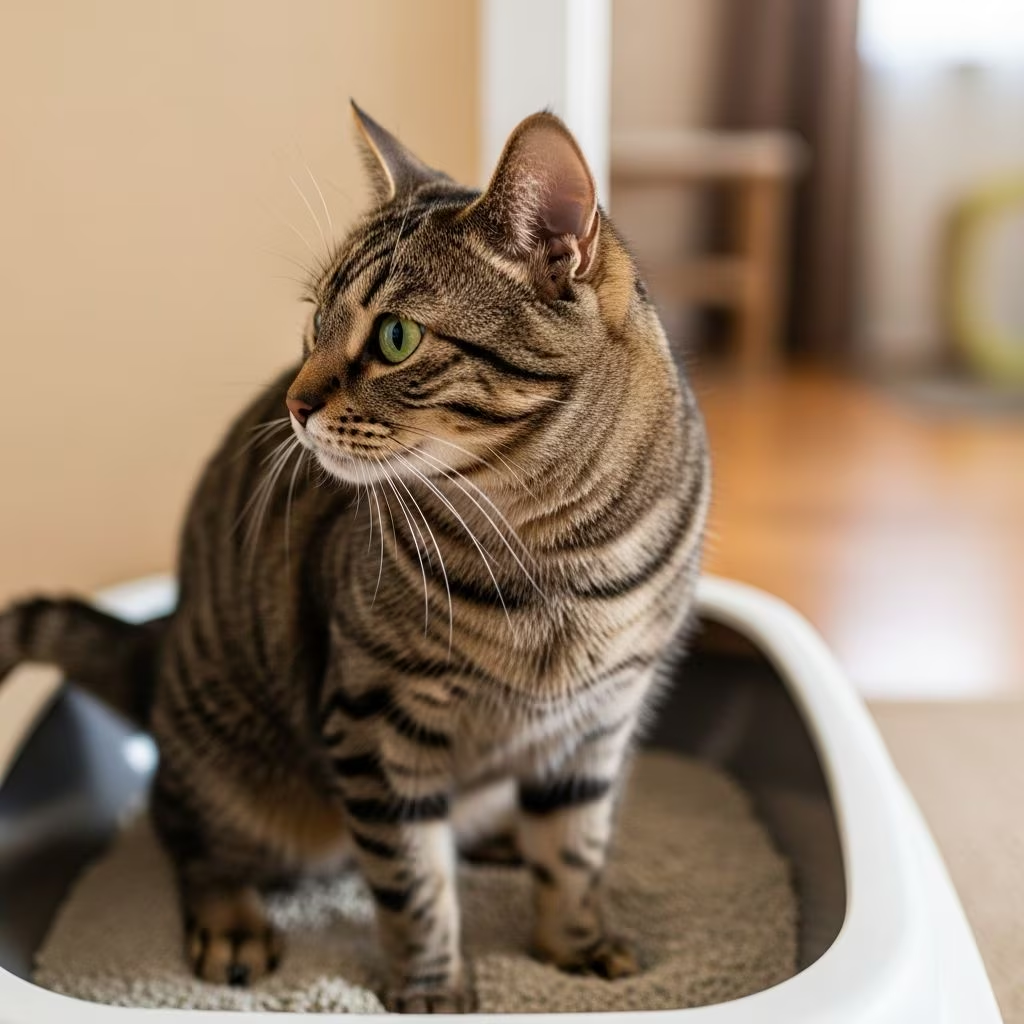
Healthy adult cats typically defecate **1-2 times per day**, though this can vary based on individual factors like age, diet, and activity levels. Monitoring your cat’s poop routine provides key insights into their overall digestive health and well-being.
Understanding Baseline Expectations for Feline Defecation
The digestive system of a cat processes food efficiently, turning it into waste within 12-48 hours depending on various influences. A consistent pattern around once or twice daily signals smooth gastrointestinal function. Deviations, such as skipping days or sudden increases, often point to dietary shifts, hydration issues, or medical concerns.
Establishing what ‘normal’ looks like for your specific cat involves observing patterns over a week. Factors unique to each pet create natural variations, but extremes warrant attention to prevent complications like dehydration or blockages.
Age-Related Variations in Poop Schedules
A cat’s life stage profoundly impacts bowel frequency due to metabolic differences.
- Kittens: These young felines often go **2-4 times daily** thanks to rapid digestion of milk or frequent small meals. As they wean onto solids around 3-4 weeks, frequency gradually drops.
- Adults: Prime-age cats (1-7 years) maintain steady **1-2 poops per day**, reflecting balanced metabolism and diet processing.
- Seniors: Older cats (8+ years) may poop **once daily or less** as slowed digestion leads to firmer, less frequent stools.
| Life Stage | Average Poops/Day | Key Influences |
|---|---|---|
| Kittens | 2-4 | Fast metabolism, frequent feeding |
| Adults | 1-2 | Stable digestion |
| Seniors | ≤1 | Slower gut motility |
Sudden changes in established patterns, especially in vulnerable kittens or elders, require prompt veterinary evaluation.
Diet’s Role in Shaping Bowel Habits
What a cat eats directly dictates poop volume, firmness, and timing. High-moisture foods speed transit, while dry options bulk up waste.
- Wet Food Diets: Promote **more frequent, softer stools** (often 2x/day) due to elevated water and protein content aiding quick passage.
- Dry Food Only: Leads to **1-2 firmer poops daily**; lower moisture can occasionally firm stools excessively.
- Mixed Feeding: Balances at **1-2 times/day** with moderate consistency.
- Raw or High-Protein: Results in **less waste overall**, sometimes once daily, as nutrients absorb efficiently.
- Fiber Levels: High-fiber boosts frequency and size; low-fiber may reduce it, risking constipation.
Abrupt diet switches without gradual transition (over 7-10 days) frequently cause temporary disruptions like loose stools or infrequency.
Hydration and Its Impact on Digestion
Adequate water intake lubricates the intestines, ensuring smooth stool movement. Dehydrated cats produce **harder, less frequent poops**, straining elimination. Encourage drinking via fountains, wet food, or flavored water additives. Cats on dry kibble especially need vigilant monitoring, as low moisture diets heighten constipation risk.
Activity Levels and Metabolic Speed
Active cats digest faster, yielding **more regular, frequent bowel movements**. Sedentary indoor lifestyles slow metabolism, potentially dropping frequency below once daily. Promote play with toys, climbing trees, or laser pointers to mimic natural hunting behaviors and support gut motility.
Stress and Environmental Influences
Home changes like moves, new pets, or loud noises trigger stress responses affecting digestion. This manifests as **diarrhea from haste or constipation from tension**. Create calm spaces with hiding spots and pheromone diffusers to stabilize routines.
Decoding Healthy vs. Problematic Stool Appearance
Frequency pairs with quality for full assessment. Ideal poop resembles a **sausage shape: firm yet segmented, brown, and easy to pass**.
| Stool Type | Description | Implication |
|---|---|---|
| Healthy | Sausage-like, firm, uniform color | Normal digestion |
| Constipation | Hard pebbles, dry balls | Dehydration, low fiber |
| Mild Soft | Formed but mushy | Diet tweak needed |
| Diarrhea | Watery, pudding-like, frequent | GI upset, infection |
Color shifts (black/tarry: bleeding; yellow: liver issues) or blood/mucus demand immediate vet care.
Common Digestive Disruptions and Triggers
Beyond basics, issues arise from:
- Parasites: Worms cause irregular, segmented stools.
- Food Sensitivities: Lead to chronic softness.
- Infections/IBD: Frequent loose poops.
- Medications: Antibiotics disrupt gut flora.
- Hyperthyroidism/CKD: Alter frequency in seniors.
Post-poop zoomies stem from instinctual predator evasion or vagus nerve stimulation, not distress.
When to Consult a Veterinarian
Act if:
- No poop in 48 hours (24 for kittens/seniors).
- Straining, vocalizing, or box avoidance.
- Diarrhea >48 hours, risking dehydration.
- Lethargy, vomiting, appetite loss accompany changes.
Vets may recommend laxatives, fluids, diet trials, or diagnostics like X-rays.
Practical Tips to Promote Regularity
- Gradual diet transitions.
- Ensure 24/7 fresh water access.
- Incorporate fiber via pumpkin puree (1 tsp/day).
- Maintain clean, multiple litter boxes (n+1 rule).
- Daily interactive play sessions.
Frequently Asked Questions (FAQs)
How often should an indoor cat poop?
Typically 1-2 times daily, though less active lifestyles may reduce to once; boost exercise if infrequent.
Is it bad if my cat poops every other day?
Monitor for firmness; if hard or straining, address hydration/diet. Consult vet if persists >2 days.
Why does wet food make my cat poop more?
Higher moisture accelerates transit, increasing frequency without issues.
Can stress cause constipation in cats?
Yes, tension slows gut motility; resolve stressors for normalization.
What if my senior cat hasn’t pooped in 3 days?
Seek vet immediately—risk of obstipation high in elders.
Advanced Monitoring for Proactive Care
Litter box tech like auto-cleaners logs frequency, aiding early detection. Pair with weight tracking and appetite logs for holistic health snapshots. Annual senior checkups catch subclinical issues influencing bowels.
Understanding these dynamics empowers owners to foster optimal digestion, catching problems before they escalate. Consistent observation turns poop checks into powerful wellness tools.
References
- How Many Times a Day Should a Cat Poop? — Litter-Robot. 2023. https://www.litter-robot.com/blog/cat-poop-normal/
- How Often Do Cats Poop? — Rover.com. 2023. https://www.rover.com/blog/how-often-do-cats-poop/
- How often should cats poo and pee? — Cats Protection. 2024. https://www.cats.org.uk/cats-blog/how-often-should-cats-poo-and-pee
- How Often Should Cats Poop? — PetSafe. 2023. https://www.petsafe.com/blog/how-often-should-cats-poop/
- Let’s talk about cat poop! — River Landings Animal Clinic. 2023. http://www.riverlandingsanimalclinic.com/news/lets-talk-about-cat-poop
- Inside Scoop on Cat Poop — ASPCA Pet Health Insurance. 2023. https://www.aspcapetinsurance.com/resources/inside-scoop-on-cat-poop/



