

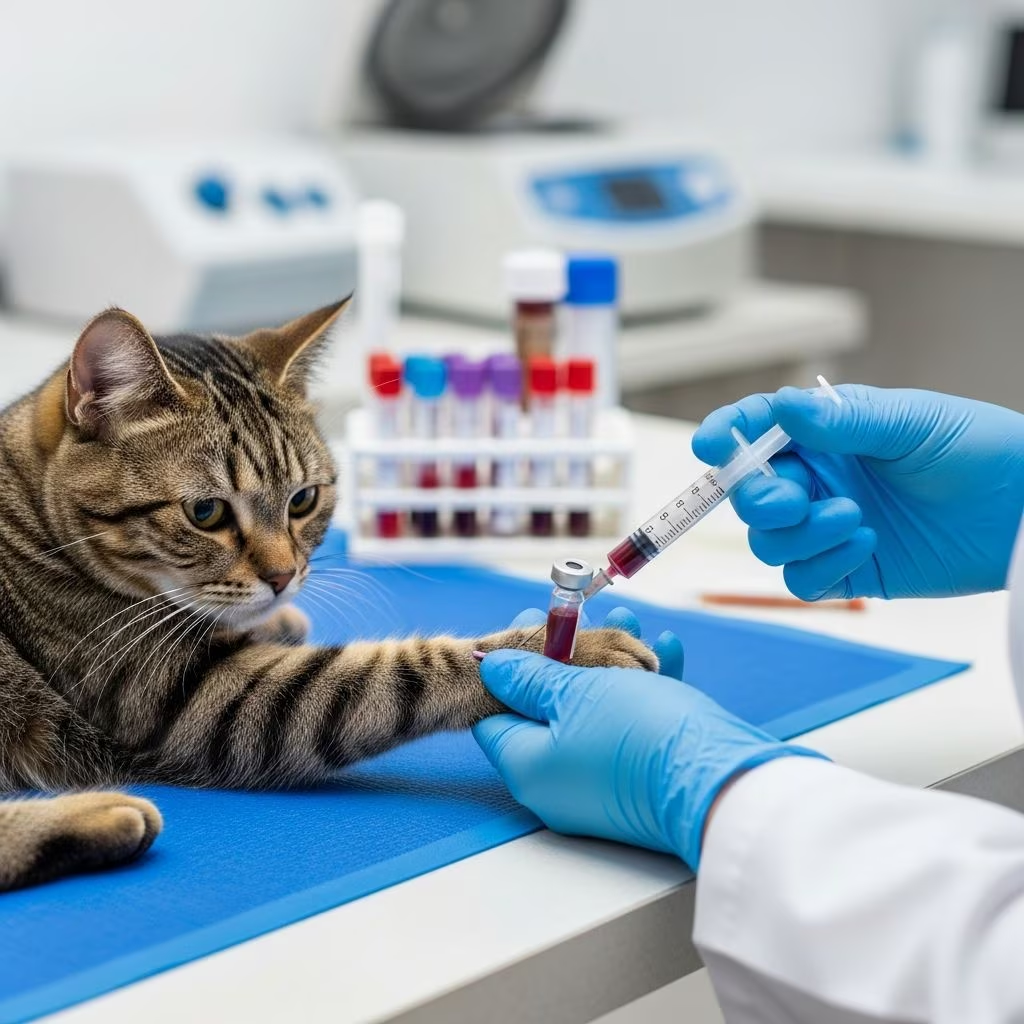
Understanding the expenses associated with cat blood tests helps pet owners make informed decisions about preventive care and diagnostics. These tests provide critical insights into organ function, blood cell health, and potential diseases, with costs typically ranging from $50 to $300 depending on the type and location.
Why Blood Tests Matter for Cats
Blood tests serve as a cornerstone of feline veterinary care, offering a window into your cat’s internal health that physical exams alone cannot reveal. They detect early signs of kidney disease, diabetes, infections, and thyroid imbalances before symptoms become obvious. Routine screening is particularly important for senior cats, as age-related conditions like chronic kidney disease affect up to 30% of cats over 10 years old.
By identifying issues proactively, blood work enables timely interventions that can extend life expectancy and improve quality of life. Vets often recommend annual or bi-annual panels for wellness checks, especially for cats showing subtle changes like weight loss or lethargy.
Common Types of Feline Blood Tests
Veterinarians tailor blood tests to a cat’s age, breed, and symptoms. Here are the primary categories used in cat diagnostics:
- Complete Blood Count (CBC): Evaluates red blood cells (RBCs) for oxygen transport, white blood cells (WBCs) for immune response, and platelets for clotting. Abnormalities signal anemia, infections, or clotting disorders.
- Blood Chemistry Panel: Measures enzymes, proteins, electrolytes, glucose, and waste products to assess kidney, liver, and pancreatic function. Key markers include BUN, creatinine, ALT, and bilirubin.
- Thyroid Panel (T4 Test): Checks thyroid hormone levels, crucial for diagnosing hyperthyroidism, which impacts 10% of cats over 10 years.
- Specialized Tests: Such as heartworm antigen or glucose curves for diabetes confirmation.
Breaking Down CBC Components
| Component | What It Measures | Common Abnormalities |
|---|---|---|
| Hematocrit (HCT) | Percentage of RBCs in blood | Low: Anemia; High: Dehydration |
| White Blood Cell Count (WBC) | Immune cell numbers | High: Infection/inflammation; Low: Viral suppression |
| Platelet Count (PLT) | Clotting cells | Low: Bleeding risk |
Blood Chemistry Insights
The chemistry panel reveals metabolic health. Elevated BUN and creatinine indicate kidney stress, while high glucose points to diabetes. Liver enzymes like ALT rise with hepatic damage, and electrolytes ensure hydration balance.
Factors Influencing Cat Blood Test Prices
Costs vary widely based on several elements. A basic CBC might cost $40-$80, while a full chemistry panel adds $60-$120, totaling $100-$250 for comprehensive workups. Additional fees include:
- Veterinary Clinic Type: Independent practices charge less ($80-$150) than emergency or specialty hospitals ($200+).
- Location: Urban areas like New York average 20-30% higher than rural clinics.
- In-House vs. Lab: On-site analyzers provide same-day results for a premium; external labs reduce costs but delay turnaround.
- Sedation Needs: Stressed cats may require mild sedation, adding $20-$50.
- Bundle Packages: Wellness plans often discount panels by 15-25%.
Cost Comparison Table
| Test Type | Average Cost Range | Typical Add-Ons |
|---|---|---|
| CBC Only | $40-$100 | Smear exam: +$20 |
| Chemistry Panel | $60-$150 | Electrolytes: +$30 |
| Full Profile (CBC + Chemistry) | $100-$250 | Thyroid: +$50-$80 |
| Specialty (e.g., Heartworm) | $30-$60 | T4: $40-$70 |
These figures are U.S. averages; international costs may differ, with European clinics often 10-20% lower.
When to Schedule Blood Work for Your Cat
Incorporate blood tests into routine care: kittens for baseline health, adults annually, and seniors every 6 months. Urgent testing is warranted for symptoms like vomiting, diarrhea, appetite loss, or increased thirst. Pre-anesthetic panels before surgeries cost $80-$150 to screen for risks.
Breeds prone to issues—like Persians with polycystic kidney disease or Maine Coons with hypertrophic cardiomyopathy—benefit from targeted panels earlier.
Interpreting Your Cat’s Blood Test Results
Review results with your vet, as reference ranges vary by lab and cat age. Normal RBC (5-10 million/μL) ensures oxygen delivery; WBC (5.5-19.5 thousand/μL) fights invaders. Chemistry flags like creatinine >2.0 mg/dL suggest kidney concerns.
- Green Flags: All values within range indicate robust health.
- Yellow Flags: Mild elevations may need monitoring.
- Red Flags: Significant deviations prompt immediate action.
Saving Money on Feline Diagnostics
Budget-savvy strategies include:
- Join pet insurance covering 70-90% of diagnostics after deductibles ($100-$500/year premiums).
- Opt for wellness plans ($20-$40/month) bundling annual blood work.
- Seek low-cost clinics or mobile vets for routine screens.
- Compare quotes from multiple practices.
Preventive care reduces long-term expenses; early detection of kidney disease via creatinine trends can save thousands in dialysis or supportive treatments.
Risks and Preparation for Blood Draws
Blood collection is low-risk, using a quick venipuncture from the jugular or leg vein (0.5-2 mL sample). Fast your cat 6-12 hours for accurate glucose/chemistry. Minimal bruising occurs rarely; anemia in sick cats may complicate draws.
FAQs on Cat Blood Testing Costs
How much does a full blood panel cost for cats?
Expect $100-$250 for CBC plus chemistry, varying by region and clinic.
Are cat blood tests covered by insurance?
Many policies reimburse 80% post-deductible; check for wellness riders.
How often should my cat get blood work?
Annually for adults, semi-annually for seniors over 7 years.
What if my cat’s results are abnormal?
Follow up with vet for retests, urinalysis, or imaging to pinpoint causes.
Can I do blood tests at home for cats?
Home glucose monitors exist for diabetics, but comprehensive panels require professional labs.
Blood testing empowers proactive cat care. Consult your vet to customize a plan fitting your budget and pet’s needs.
References
- Cat Blood Work Explained: Testing Your Cat’s Health — Bayshore Veterinary Clinic. 2023. https://bayshore-vet.com/blog/cat-blood-work/
- Hematology | Cornell University College of Veterinary Medicine — Cornell University. 2024-01-15. https://www.vet.cornell.edu/animal-health-diagnostic-center/testing/testing-protocols-interpretations/hematology
- A Pet Parent’s Guide to Cat Bloodwork | Cat Blood Test Explained — TK Veterinary Services. 2024-05-15. https://www.tkves.com/site/blog/2024/05/15/cat-blood-tests
- Comprehensive Guide to Understanding Your Pet’s Lab Results — Clover Vet Hospital. 2024-07-23. https://www.clovervethospital.com/site/blog/2024/07/23/understanding-pets-lab-results
- Blood Tests for Dogs and Cats: Costs and How To Read Results — PetMD. 2023. https://www.petmd.com/dog/procedure/blood-work-for-dogs-and-cats
- The ABCs of Cat Bloodwork: What Those Results Really Mean — AAHA. 2023. https://www.aaha.org/resources/the-abcs-of-cat-bloodwork-what-those-results-really-mean/



