

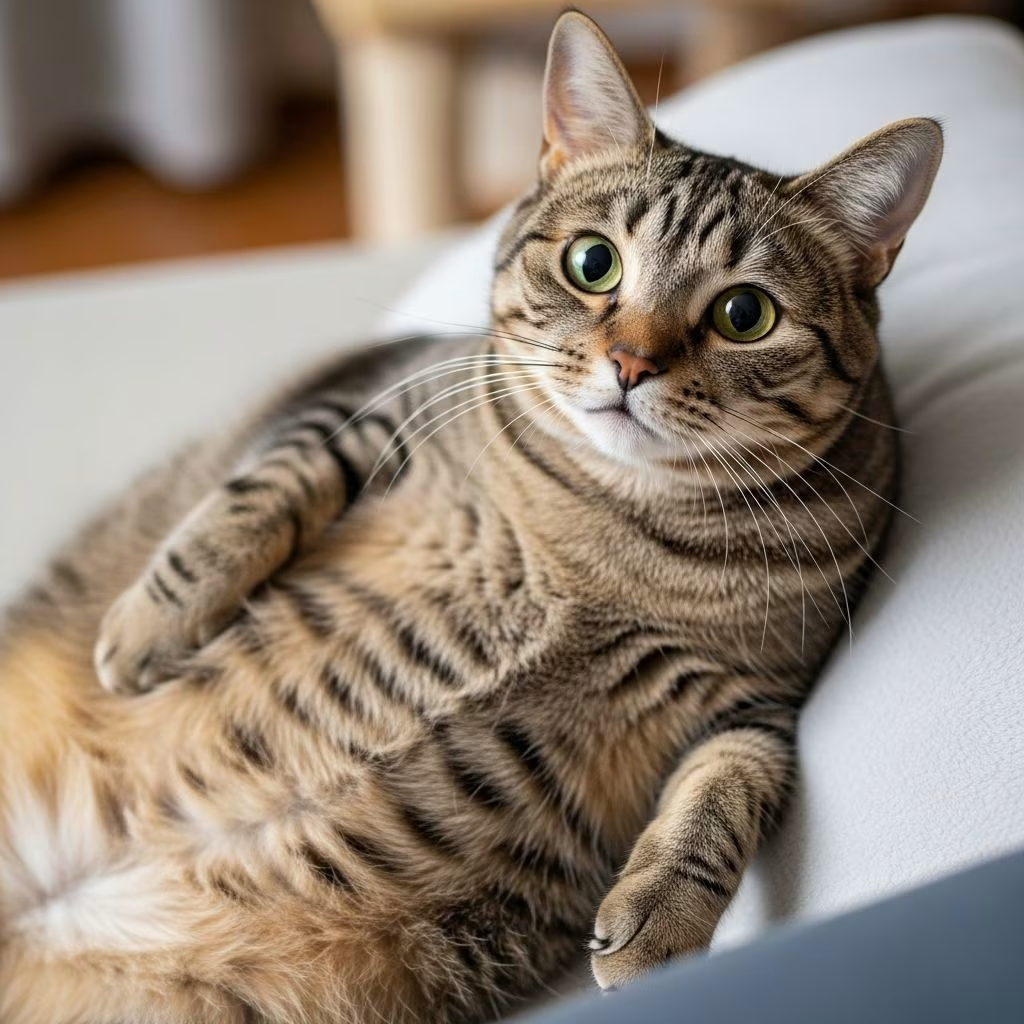
Abdominal distension in cats, commonly known as bloating, signals a range of issues from harmless gas to critical emergencies. Prompt recognition and veterinary intervention can prevent escalation into life-threatening scenarios.
Recognizing the Signs of Bloating in Your Cat
A bloated cat often displays a visibly swollen belly that feels firm or taut to the touch. This differs from a normal post-meal fullness, persisting or worsening over time. Key indicators include reluctance to eat, repeated vomiting attempts without producing much, lethargy, and hunched posture indicating discomfort. Some cats vocalize more or hide away, while others strain unsuccessfully during elimination efforts.
- Visible swelling: Abdomen appears rounded or drum-like, sometimes shifting side to side.
- Pain responses: Hissing, swatting, or flinching when belly is palpated gently.
- Behavioral shifts: Reduced activity, appetite loss, or excessive grooming around the midsection.
- Associated symptoms: Diarrhea, constipation, or unproductive retching.
In kittens, bloating might accompany crying or failure to thrive, often linked to parasites or maternal issues. Adult cats showing these signs warrant immediate vet evaluation, as delays can prove fatal in obstruction or infection cases.
Everyday Triggers: Diet and Habits Leading to Bloat
Many bloating episodes stem from routine behaviors. Cats that devour food rapidly gulp air, creating gas pockets in the gut. Overfeeding, especially dry kibble in large portions, exacerbates this by promoting hasty eating. Low-grade foods laden with fillers disrupt digestion, fostering fermentation and swelling.
| Common Dietary Culprit | How It Causes Bloat | Quick Fixes |
|---|---|---|
| Eating too fast | Air swallowing leads to gas buildup | Puzzle feeders, smaller meals |
| Sudden food switches | GI upset from rapid changes | Gradual 7-10 day transitions |
| Fillers in cheap food | Poor digestibility causes fermentation | High-protein, quality brands |
| Dairy or allergens | Intolerance sparks inflammation | Lactose-free treats, hypoallergenic diets |
Multi-cat homes amplify risks if competition drives gulping. Wet food options hydrate better and slow intake, curbing aerophagia.
Serious Medical Culprits Behind Abdominal Swelling
Beyond diet, bloating often masks grave conditions. Gastrointestinal obstructions top the list, where ingested linear objects like strings or rubber bands bunch intestines, halting transit. This traps food, fluid, and gas, demanding surgical removal.
Parasitic infestations, especially roundworms in young cats, inflate bellies via malabsorption and gas. Feline Infectious Peritonitis (FIP), a mutated coronavirus variant, floods the abdomen with fluid in its ‘wet’ form, proving often lethal without antivirals.
- Organ dysfunction: Liver or kidney failure causes ascites (fluid accumulation), visible as pendulous swelling.
- Cancers: Lymphoma or other tumors enlarge organs or bleed internally.
- Infections/Inflammation: IBD, peritonitis from ruptures, or bacterial overgrowth.
- Urinary crises: Blockages in males distend via toxin backup.
- Heart issues: Congestive failure leads to effusion.
Even if acting normal, persistent swell merits checks—parasites or early organ strain may lurk asymptomatically.
When Bloating Demands Emergency Action
Not all bloat resolves at home. Rush to the vet if swelling appears overnight, accompanies collapse, pale gums, rapid breathing, or bloody stools. Obstructions evolve to perforations within hours; FIP or pyometra (uterine infection) similarly accelerate.
Timeline matters: Gas from diet might ease in 24 hours with fasting, but anything enduring past that or with distress signals an underlying pathology.
Veterinary Diagnosis: Unraveling the Cause
Diagnosis starts with history and exam, probing diet, recent ingestions, and stool patterns. Palpation detects masses, fluid waves, or pain loci.
- Imaging: X-rays spot blockages, free air (perforation), or organ sizes; ultrasound details fluid, tumors.
- Lab panels: Bloodwork flags anemia, organ enzymes, electrolytes; fecal floats parasites.
- Fluid taps: Abdominocentesis analyzes ascites for infection, cancer cells.
- Urinalysis: Rules out crystals, infections in urinary bloat.
These pinpoint 90% of causes, guiding targeted therapy.
Treatment Pathways for Bloated Cats
Remedies match root issues. Dietary bloat responds to withholding food 12-24 hours, then bland diets like boiled chicken rice.
Parasites yield to dewormers like pyrantel; infections to antibiotics. Obstructions necessitate exploratory surgery, often laparotomy to excise foreign material.
- Supportive care: IV fluids combat dehydration, anti-nausea meds settle stomachs.
- Fluid drainage: For ascites, therapeutic taps relieve pressure.
- Specialized Rx: GS-441524 for FIP, chemo for lymphoma.
- Chronic management: IBD diets, probiotics, steroids.
Prognosis varies: Simple gas—excellent; obstructions—good if early; FIP—guarded.
Preventing Bloat: Proactive Steps for Cat Owners
Minimize risks with vigilance. Core strategies include:
- Measured feedings in quiet spots, using slow-feed bowls.
- Regular deworming/fecal checks, especially strays or hunters.
- Secure hazards: No strings, small toys unsupervised.
- Annual wellness exams catch brewing organ issues.
- High-quality, species-appropriate nutrition; avoid human scraps.
For seniors or breeds prone to GI woes (e.g., Persians), monitor weight and stool weekly. Vaccinations curb FIP precursors.
FAQs on Cat Bloating
Is cat bloating always an emergency?
No, mild post-meal puffiness may pass, but firm, painful, or persistent swelling demands vet care within hours.
Can home remedies fix a bloated cat?
Only for suspected diet issues—fast briefly, offer water. Never induce vomiting or use human laxatives; seek pros.
Why do kittens bloat more often?
Heavy parasite loads, immature digestion, or toxic milk from infected moms heighten vulnerability.
Does cat insurance cover bloat treatments?
Many plans do for diagnostics/surgery post-waiting period; review for accidents/illnesses.
How long does bloat recovery take?
Dietary: 1-2 days; surgical: 7-14 days; chronic diseases: lifelong management.
This guide empowers owners to safeguard feline health. Bloating transcends cosmetics—it’s a clarion call for action.
References
- Cat Bloat: Causes, Symptoms and Treatment — Pets Best Insurance. 2023. https://www.petsbest.com/blog/bloated-cat
- Why Is My Cat Bloated & How Can I Treat It? — Rover.com. 2023. https://www.rover.com/blog/bloating-in-cats/
- A Guide to Cat Bloat — ASPCA Pet Health Insurance. 2023. https://www.aspcapetinsurance.com/resources/cat-bloat-guide/
- My Cat Looks Bloated but Is Acting Normal — Brinker Animal Hospital. 2023. https://brinkervet.com/blog/my-cat-looks-bloated-but-acting-normal/
- Understanding Bloat in Cats: Signs, Causes & When to Seek Help — Bethel Pet Hospital. 2023. https://www.bethelpethospital.com/blog/understanding-bloat-in-cats-signs-causes-when-to-seek-help
- Bloating (Abdominal Distension) in Cats — Vetster. 2023. https://vetster.com/en/symptoms/cat/bloating-abdominal-distension



