
Cat Blindness: Causes, Symptoms, and Treatment
Understanding feline blindness: Learn causes, recognize symptoms, and explore treatment options for your cat.
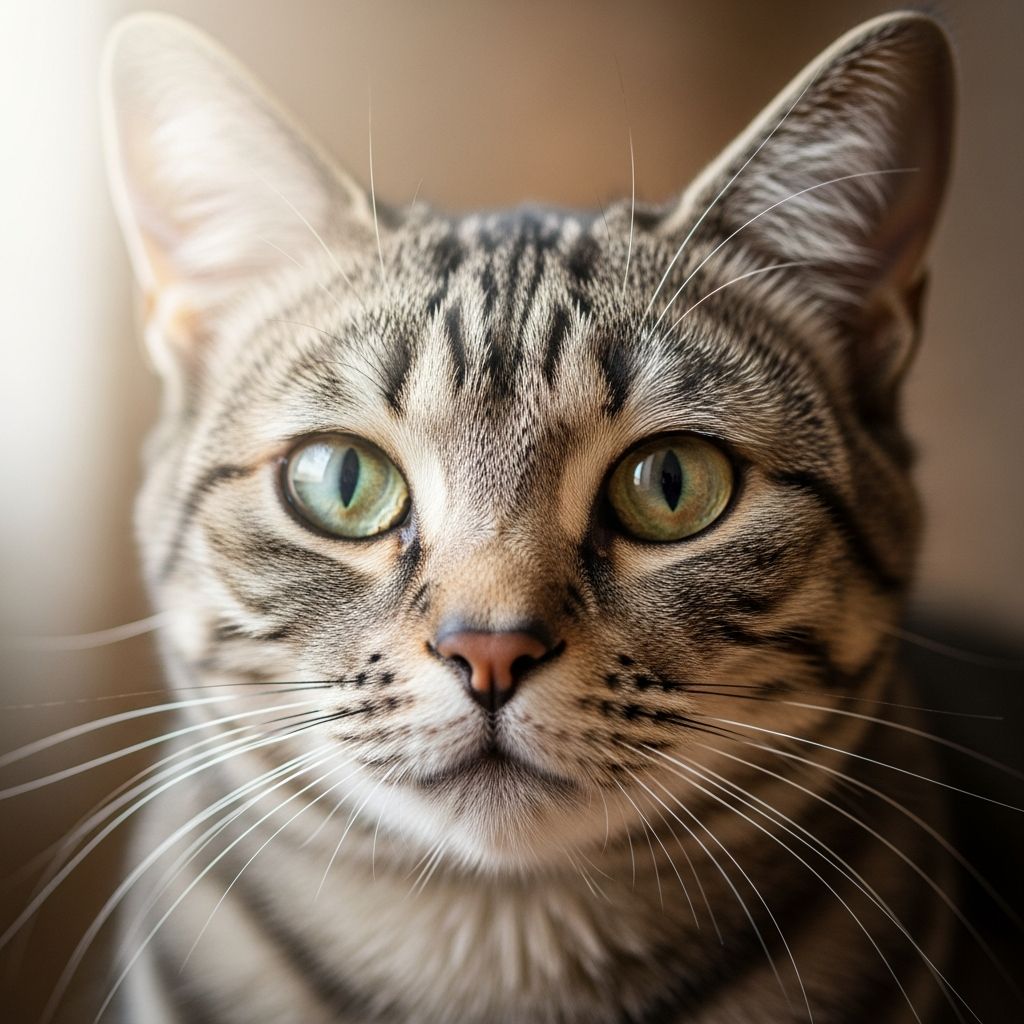
Understanding Cat Blindness: Causes, Symptoms, and Care
Blindness in cats is a condition that can develop gradually or occur suddenly, affecting your feline companion’s quality of life. Unlike humans, cats are remarkably adaptable to vision loss and can adjust to their environment by relying on their other senses, which is why cat parents often don’t notice the problem immediately. Understanding the causes, recognizing the symptoms, and knowing how to support a blind cat are essential aspects of feline health care.
Common Causes of Cat Blindness
Multiple conditions can lead to vision loss in cats, ranging from direct eye problems to systemic health issues. Understanding these causes can help you identify potential risks and seek timely veterinary intervention.
Hypertension (High Blood Pressure)
Hypertension is one of the leading causes of blindness in cats, particularly in older and overweight felines. High blood pressure typically develops as a secondary condition resulting from underlying diseases such as kidney disease, heart disease, diabetes, or hyperthyroidism. When blood pressure remains elevated for extended periods, it can cause the retina to detach or lead to bleeding within the eye, resulting in sudden vision loss.
Retinal Detachment
Retinal detachment occurs when the retina becomes separated from the underlying tissue at the back of the eye. This condition is the second most common cause of blindness in cats and is frequently associated with high blood pressure, an overactive thyroid gland, or kidney disease. The detachment typically results from fluid leakage or an oversupply of fluid between the retinal layers. While prompt veterinary treatment may restore partial vision in some cases, permanent blindness often results from this condition.
Cataracts
Cataracts in cats function similarly to those in humans. The lens of the eye becomes cloudy or completely opaque, reducing the amount of light that enters the eye and reaches the retina. While cataracts are less common in cats than in humans, they most often develop in older cats and typically cause gradual rather than sudden blindness. If a cataract completely covers the lens, it can result in total blindness in that eye.
Glaucoma
Glaucoma in cats involves increased pressure inside the eye when fluid cannot drain properly, putting pressure on the optic nerve. This condition can be hereditary and is particularly common in certain cat breeds such as Burmese, Persian, and Siamese cats. Glaucoma can also develop secondary to other diseases including neoplasia, anterior uveitis, and intraocular hemorrhage. The symptoms of feline glaucoma are often subtle and may take months to become noticeable.
Conjunctivitis
Conjunctivitis involves inflammation of the conjunctiva, the thin membrane covering the inside of the eyelids and the white part of the eye. This condition is often caused by upper respiratory disease and is highly contagious among cats. While conjunctivitis itself may not directly cause blindness, severe or chronic cases left untreated can lead to corneal damage and vision loss over time. Feline herpesvirus is a particularly contagious infection that can trigger conjunctivitis in cats, and chronic inflammation from this virus may result in partial or complete blindness in some cases.
Infections and Immune-Related Conditions
Various bacterial, viral, parasitic, and fungal infections can lead to vision loss in cats. Infections such as feline infectious peritonitis (FIP), feline leukemia virus (FeLV), feline immunodeficiency virus (FIV), and toxoplasmosis can cause inflammation of the eye structures, including the optic nerve (optic neuritis). Fungal infections like cryptococcosis and viral infections can trigger uveitis and chorioretinitis, both of which may lead to secondary conditions like glaucoma and cataracts.
Other Causes of Blindness
Additional factors that can contribute to feline blindness include eye injuries from cat fights or trauma, head trauma from accidents or blunt force, uveitis and chorioretinitis, optic nerve disease, brain disease such as inflammation or tumors, bleeding in the eye (hyphema), breed-specific conditions like retinal atrophy in Abyssinian cats, and in rare cases, complications from anesthesia.
Recognizing the Symptoms of Vision Loss
Detecting blindness in cats can be challenging because they adapt remarkably well to vision loss by relying on their other senses and knowledge of their environment. However, several signs may indicate that your cat is experiencing vision problems:
- Bumping into walls, furniture, or other objects, especially in low-light conditions
- Increased vocalization and confusion, particularly in unfamiliar environments
- Dilated pupils that do not respond normally to light changes
- Cloudiness or haziness in the eyes
- Redness, swelling, or discharge from the eyes
- Excessive squinting or pawing at the eyes
- Reluctance to jump or climb, or increased clumsiness
- Blood in the eye chamber
- Enlarged or abnormally appearing eyes
- Behavioral changes such as increased anxiety or reluctance to explore
Diagnosis and Veterinary Evaluation
If you suspect your cat is experiencing vision loss, prompt veterinary evaluation is essential. Your veterinarian will perform a comprehensive ophthalmic examination to assess your cat’s eye health and function. Diagnostic procedures may include:
- Complete physical and eye examination
- Blood pressure measurement to screen for hypertension
- Blood work and laboratory tests to identify underlying systemic conditions
- Diagnostic imaging such as ultrasound or CT scans
- Infectious disease testing if infections are suspected
- Specialized eye tests to evaluate retinal function
Treatment Options for Feline Blindness
Treatment for blindness in cats depends on the underlying cause and how quickly intervention is sought. Early detection and treatment can sometimes restore partial vision or prevent further deterioration.
Managing Hypertension
For cats with high blood pressure, your veterinarian may recommend addressing the underlying causes first. This might include helping your cat achieve a healthy weight through dietary management and exercise. Medications such as amlodipine may be prescribed to lower blood pressure and reduce the risk of retinal detachment or hemorrhage. Treating underlying conditions like diabetes, hyperthyroidism, or kidney disease is also crucial for managing hypertension.
Cataract Surgery
If your cat has cataracts, your veterinarian will assess whether surgical intervention is appropriate. Cataract surgery involves removing the cloudy lens and replacing it with an artificial lens, potentially restoring vision. However, not all cats are suitable candidates for surgery, and the decision should be made based on your cat’s overall health status.
Glaucoma Treatment
Glaucoma management may involve topical medications to reduce intraocular pressure and ease discomfort. In some cases, oral medications may also be prescribed. However, if the condition is severe or fails to respond to medical management, your veterinarian may recommend removal of the affected eye to prevent pain and further complications.
Managing Conjunctivitis
Treatment for conjunctivitis typically involves identifying and removing any foreign objects from the eye if present. Your veterinarian will prescribe medicated eye drops to reduce inflammation and treat the underlying cause, whether bacterial, viral, or related to upper respiratory disease. Antiviral medications and supportive care may be necessary for cases involving feline herpesvirus.
Treating Infections
For blindness caused by infections, treatment depends on the specific pathogen involved. Antiviral medications, antibiotics, antifungal agents, or antiparasitic treatments may be prescribed based on the type of infection. Addressing the underlying infection can help prevent further vision loss and manage associated inflammation.
Caring for a Blind Cat
If your cat has experienced permanent vision loss, providing appropriate care and support can help maintain quality of life. Keep your cat’s environment stable and predictable by avoiding unnecessary rearrangement of furniture. Use elevated food and water bowls in consistent locations, establish clear pathways throughout your home, and consider using night lights or leaving lights on to help your cat navigate. Maintain regular play and enrichment activities adapted to their abilities, provide verbal cues and reassurance, and be patient as your cat adjusts to their new circumstances. Regular veterinary check-ups remain important for monitoring overall health and managing any underlying conditions contributing to blindness.
Frequently Asked Questions About Cat Blindness
Q: Can cat blindness be prevented?
A: While not all causes of blindness can be prevented, maintaining your cat’s overall health through proper nutrition, weight management, regular veterinary check-ups, vaccinations, and managing underlying conditions like hypertension and diabetes can significantly reduce the risk of vision loss.
Q: Is sudden blindness in cats always permanent?
A: Not necessarily. Some causes of sudden blindness, particularly those related to hypertension or retinal detachment, may benefit from prompt veterinary treatment. However, many cases do result in permanent vision loss, which is why immediate veterinary attention is crucial.
Q: How do blind cats navigate their environment?
A: Blind cats rely heavily on their other senses, particularly hearing, smell, and touch. They use whiskers to detect obstacles and navigate their familiar environments. Most cats adapt remarkably well to blindness, especially if it develops gradually.
Q: What should I do if I notice signs of vision loss in my cat?
A: Contact your veterinarian as soon as possible. Prompt diagnosis and treatment can be crucial in determining the underlying cause and potentially preserving some vision or preventing further deterioration.
Q: Are certain cat breeds more prone to blindness?
A: Yes, some breeds are predisposed to specific conditions that can cause blindness. Abyssinian cats are prone to retinal atrophy, while Burmese, Persian, and Siamese cats are more susceptible to glaucoma. Breed-specific screening and regular check-ups are recommended for these cats.
Q: Can blind cats live a normal lifespan?
A: Yes, with proper care and management of underlying health conditions, blind cats can live long, happy lives. Their remarkable adaptability allows them to adjust to vision loss and continue enjoying their daily routines.
References
- Feline Blindness and Vision Problems: Causes And Treatment — Pets Best. 2024. https://www.petsbest.com/blog/feline-blindness-causes-treatment
- Feline Vision Problems: A Host of Possible Causes — Cornell Feline Health Center, Cornell University College of Veterinary Medicine. 2024. https://www.vet.cornell.edu/departments-centers-and-institutes/cornell-feline-health-center/health-information/feline-health-topics/feline-vision-problems-host-possible-causes
- Sudden Blindness in Cats: 6 Possible Causes and Treatments — The Pet Vet. 2024. https://thepetvet.com/sudden-blindness-in-cats/
- Blindness in Cats — People’s Dispensary for Sick Animals (PDSA). 2024. https://www.pdsa.org.uk/pet-help-and-advice/pet-health-hub/symptoms/blindness-in-cats
- Blindness and Loss of Vision in Cats – Causes, Treatment — Vetster. 2024. https://vetster.com/en/symptoms/cat/blindness-and-loss-of-vision
- Blindness in Cats: Identification, Causes, and Treatments — Wisdom Panel. 2024. https://www.wisdompanel.com/en-us/blog/blindness-in-cats
Similar Articles








Read full bio of Sneha Tete




