

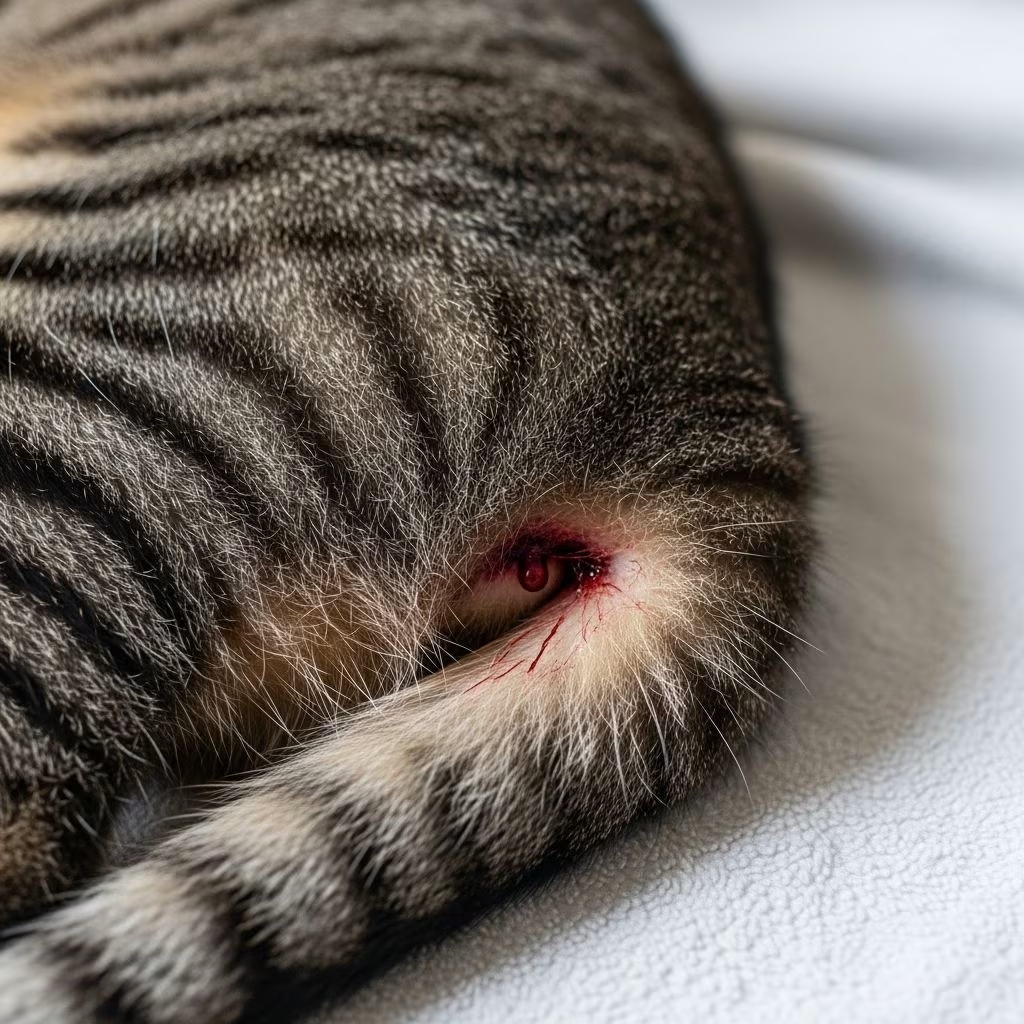
Seeing blood from your cat’s anus can be alarming for any pet owner. Rectal bleeding in cats, often noticed as fresh red blood on stool, under the tail, or in the litter box, signals an issue in the lower gastrointestinal tract, anal glands, or rectum. While rare, it’s not normal and requires prompt attention to prevent complications like anemia or severe pain. This guide breaks down the common causes, accompanying symptoms, diagnostic steps, and treatments based on veterinary recommendations.
What Does Cat Bleeding from Anus Look Like?
Bleeding from a cat’s anus typically appears as bright red blood, distinguishing it from darker, digested blood higher in the digestive system. You might spot it streaking feces, dripping from the rear, or matted in fur around the tail base. In litter boxes, blood may mix with stool or stand alone. Unlike upper GI bleeding (melena, black tarry stools), rectal bleeding is fresh and visible externally.
How Common Is Cat Bleeding from the Anus?
Rectal bleeding is fairly uncommon in cats compared to dogs, but it occurs across all ages, though more frequently in kittens with heavy parasite loads. Adult cats may experience it due to dietary issues or chronic conditions. Early detection improves outcomes, as untreated cases can lead to prolapse or infection.
Symptoms Accompanying Bleeding from Anus in Cats
Bleeding rarely occurs alone. Watch for these signs, which help pinpoint the cause:
- **Diarrhea or mucus in stool**: Often jelly-like, indicating colitis or inflammation.
- **Straining (tenesmus)**: Painful efforts to defecate, suggesting obstruction or irritation.
- **Increased defecation frequency**: Urgency or accidents outside the litter box.
- **Flatulence or scooting**: Due to anal gland discomfort.
- **Lethargy, appetite loss, or weight loss**: Systemic illness signs.
- **Licking or biting rear**: Self-trauma from pain or itch.
- **Swollen or leaking anal area**: Fishy odor from gland issues.
If your cat shows these with bleeding, contact a vet immediately—delays can worsen conditions like abscesses or prolapse.
Causes of Bleeding from Anus in Cats
Several conditions can cause this symptom. Here’s a breakdown:
1. Anal Sac Disease (Most Common)
Cats have two anal sacs flanking the anus that express fluid during defecation for scent marking. Blockage leads to impaction, infection, or abscesses, causing swelling, pain, and bloody discharge. Ruptured sacs leak pus and blood; symptoms include scooting, licking, and foul odor. Risk factors: soft stools, obesity, allergies.
2. Intestinal Parasites
Worms like hookworms, roundworms, or tapeworms irritate the rectal lining, causing bleeding, especially in kittens. Protozoa (Giardia) also contribute. Heavy infestations lead to diarrhea and prolapse.
3. Inflammatory Conditions (Colitis, IBD)
Colitis inflames the colon; IBD affects the entire GI tract. Triggers: food allergies, stress, infections. Results in mucus, blood, straining.
4. Rectal Prolapse or Polyps
Prolapse occurs when rectum protrudes through anus from chronic straining (diarrhea, parasites, constipation). Tissue bleeds and ulcerates; common in kittens. Polyps are benign growths that bleed.
5. Infections and Trauma
Bacterial/viral infections, foreign bodies (bones, string), toxins, or wounds cause direct damage. Straining from constipation may rupture vessels.
6. Tumors or Strictures
Rare in cats but serious: rectal tumors or scar tissue narrowing (stricture) from prior injury/inflammation lead to bleeding and obstruction.
| Cause | Key Symptoms | Common in |
|---|---|---|
| Anal Sac Disease | Scooting, odor, swelling | All ages |
| Parasites | Diarrhea, worms in stool | Kittens |
| IBD/Colitis | Mucus, straining | Adults |
| Prolapse | Red tissue protruding | Kittens |
| Tumors | Weight loss, chronic blood | Seniors |
Diagnosis of Cat Anus Bleeding
Vets start with history and exam: fecal analysis for parasites, rectal exam for sacs/prolapse. Further tests if needed:
- Bloodwork: Infection, anemia.
- Imaging: X-rays/ultrasound for masses, foreign bodies.
- Endoscopy/Colonoscopy: Biopsy for IBD, cancer.
- Fine-needle aspirate: Abscess confirmation.
Express anal glands during exam; culture pus if infected.
Treatment for Cats Bleeding from Anus
General/Home Treatments (Mild Cases)
For trace blood with normal behavior: Bland diet (boiled chicken/rice or GI prescription food) 24-48 hours. Deworm with fenbendazole/pyrantel. Add fiber (pumpkin) for firm stools. Monitor closely.
Specific Veterinary Treatments
- **Anal Sacs**: Manual expression, flushing, antibiotics (Clavamox, Convenia, clindamycin), pain relief. Surgery for chronic/recurrent.
- **Parasites**: Targeted dewormers, Giardia meds.
- **IBD/Colitis**: Steroids (prednisone), immunosuppressants, hypoallergenic diets, probiotics.
- **Prolapse**: Manual reduction, purse-string suture, treat underlying cause. Surgery if recurrent.
- **Infections/Trauma**: Antibiotics, wound care.
- **Tumors**: Surgery, chemo depending on type.
Most resolve with treatment; ongoing meds rare unless chronic IBD.
When to See a Vet Urgently
Seek immediate care if: profuse bleeding, prolapse, lethargy, no appetite, vomiting, pale gums (anemia risk). Don’t delay—prolapse or abscesses can be emergencies.
Prevention Tips for Rectal Bleeding in Cats
- Regular deworming/flea control (parasites transmit via fleas).
- High-fiber diet for firm stools, natural sac expression.
- Monitor weight; obesity impairs gland emptying.
- Hypoallergenic food if allergies suspected.
- Routine vet checkups for early detection.
Frequently Asked Questions (FAQs)
What should I do if my cat’s butt is bleeding?
Check under tail safely; note blood source. Isolate from others, offer bland food briefly if mild, but see vet ASAP for diagnosis.
Why is my cat bleeding from their anus?
Common culprits: anal gland problems, parasites, diarrhea/constipation, IBD, foreign bodies, or tumors. Vet exam required.
Can I treat cat rectal bleeding at home?
Only mild cases with bland diet/deworming temporarily. Never ignore or self-medicate serious symptoms.
Is anal gland bleeding dangerous?
Untreated abscesses rupture, causing pain/infection. Prompt vet care prevents sepsis.
How much does treatment cost?
Varies: exam/deworm $100-200; diagnostics $300+; surgery $1,000-3,000. Pet insurance helps.
References
- Cat Bleeding From the Anus: Causes and Treatment — Cats.com. 2023. https://cats.com/cat-bleeding-from-the-anus
- My Cat’s Butt Is Bleeding. What Should I Do? — Kinship. 2023. https://www.kinship.com/cat-health/cat-butt-bleeding-treatments
- Anal Sac Disease in Cats: Causes, Symptoms, and Treatment — PetCareRx. 2023. https://www.petcarerx.com/article/anal-sac-disease-in-cats-causes-symptoms-and-treatment/6674
- Why Is My Cat’s Butt Bleeding? Our Vet Explains Causes & Treatments — Catster. 2023. https://www.catster.com/ask-the-vet/why-is-my-cats-butt-bleeding/
- Anal Sac Disease in Cats — VCA Animal Hospitals. 2024. https://vcahospitals.com/know-your-pet/anal-sac-disease-in-cats



