

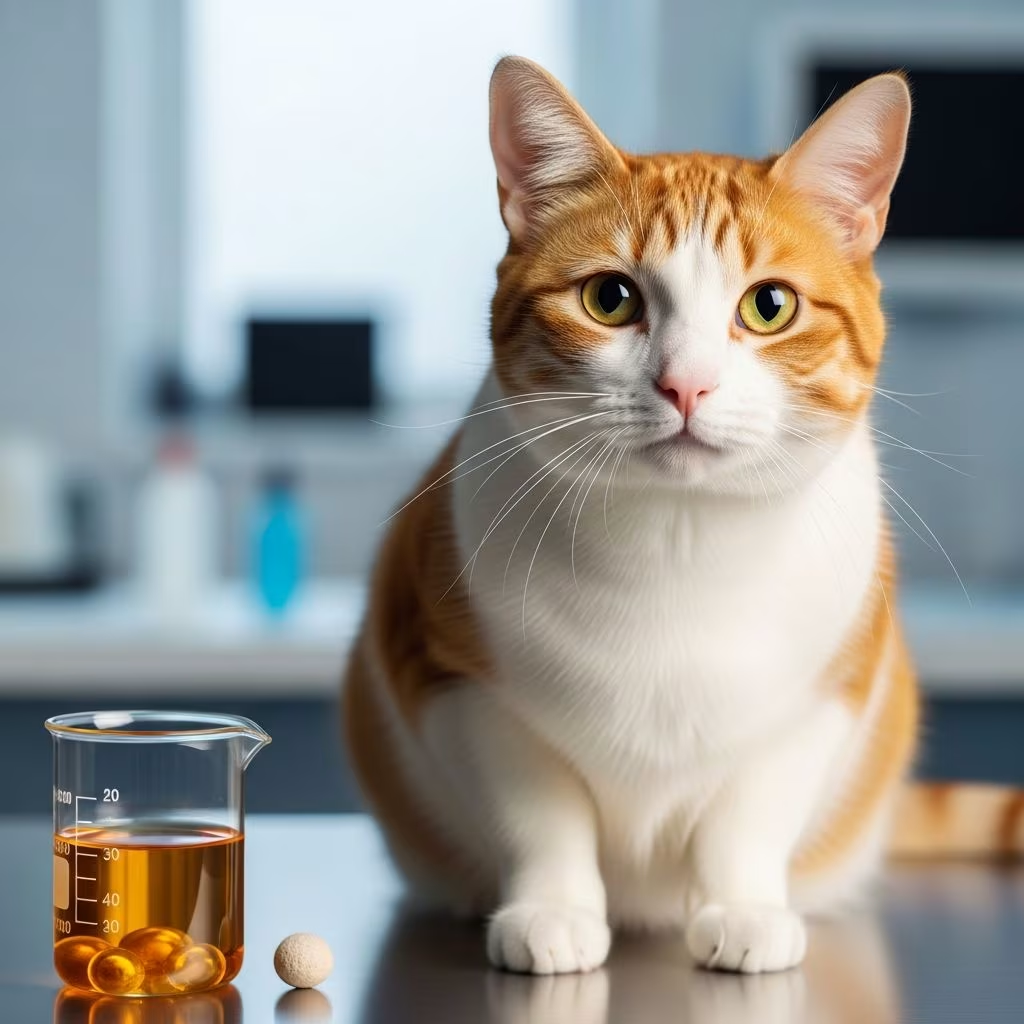
Feline lower urinary tract disease (FLUTD) encompasses various conditions affecting a cat’s bladder and urethra, leading to discomfort and potential emergencies. Understanding these issues enables timely intervention to safeguard your pet’s health.
Recognizing Signs of Urinary Distress in Cats
Early detection of bladder problems can prevent severe complications. Cats often mask pain, making subtle behavioral changes critical indicators.
- Frequent litter box visits with minimal urine output
- Straining or crying during urination
- Blood visible in urine
- Excessive grooming around the genital area
- Lethargy, vomiting, or appetite loss
- Urinating outside the litter box
Male cats face heightened risks from urethral blockages, which demand immediate veterinary attention to avoid life-threatening toxin buildup.
Primary Causes Behind Feline Bladder Disorders
Multiple factors contribute to urinary tract disruptions in cats, ranging from infections to crystal formation.
| Condition | Description | Risk Factors |
|---|---|---|
| Urinary Tract Infections (UTIs) | Bacterial invasions irritating the bladder lining | Older cats, diabetes, weakened immunity |
| Bladder Stones/Crystals | Mineral buildups like struvite or calcium oxalate blocking flow | Dehydration, diet high in minerals, pH imbalance |
| Idiopathic Cystitis (FIC) | Stress-induced bladder inflammation without clear infection | Anxiety, environmental changes, multi-cat homes |
| Urethral Obstruction | Complete or partial blockages, often in males | Narrow urethra, crystal plugs |
Stress plays a pivotal role in FIC, the most common FLUTD form, while diet influences stone development.
Diagnostic Approaches for Accurate Assessment
Veterinarians employ systematic evaluations to pinpoint issues. Initial exams include physical checks and urinalysis to detect infections, crystals, or blood.
- Ultrasound or X-rays for stones and structural anomalies
- Blood tests assessing kidney function and electrolytes
- Culture tests identifying specific bacteria
Comprehensive diagnostics guide tailored therapies, as causes vary per episode.
Effective Treatment Strategies
Treatment varies by diagnosis but prioritizes pain relief, hydration, and cause elimination.
Emergency Interventions for Blockages
Urethral obstructions require hospitalization. Vets sedate cats, insert catheters to relieve pressure, and administer IV fluids correcting imbalances.
Medical Management Options
- Antibiotics: Target UTIs, with amoxicillin often first-line
- Pain Relief: NSAIDs like meloxicam or opioids such as buprenorphine ease discomfort
- Anti-spasmodics: Relax urethral muscles during inflammation
- Anti-anxiety Meds: Amitriptyline or gabapentin for FIC
Specialized Diets and Nutritional Support
Prescription foods alter urine pH, dissolve stones, and boost hydration. Wet foods increase moisture intake over dry kibble.
Supplements like glucosamine strengthen bladder linings, while bone broth aids hydration.
Long-Term Prevention Tactics
Preventing recurrence involves lifestyle adjustments.
- Promote hydration with fountains, multiple bowls, or wet food
- Maintain ideal weight to reduce pressure on the urinary system
- Minimize stress via pheromone diffusers, playtime, and stable routines
- Provide ample clean litter boxes (one per cat plus one extra)
- Regular vet check-ups, especially for seniors
Dietary shifts may be needed as cats age, transitioning from struvite-preventive to oxalate-focused formulas.
Home Remedies and Supportive Care
While not substitutes for vet care, supportive measures aid recovery.
- Dilute urine with increased water intake
- Cranberry extracts or apple cider vinegar for alkaline urine (vet-monitored pH testing required)
- Glucosamine/chondroitin supplements for lining protection
Laser therapy offers rapid pain reduction in some clinics.
When to Seek Urgent Veterinary Help
Act immediately if your cat strains without producing urine, shows abdominal pain, or collapses. Delays can lead to kidney failure or rupture.
Frequently Asked Questions (FAQs)
What causes sudden urinary issues in cats?
Triggers include stress, crystals, infections, or diet; males are blockage-prone.
Can cat bladder problems resolve without treatment?
FIC episodes may self-limit in days to weeks, but monitoring and support are essential to prevent complications.
Is wet food better for cats with urinary issues?
Yes, it enhances hydration, diluting urine and reducing crystal risks.
How do I know if my cat has a UTI?
Look for straining, blood in urine, frequent attempts; urinalysis confirms.
Are urinary blockages fatal?
Untreated, yes—seek emergency care promptly.
Potential Complications and Prognosis
Neglected issues risk kidney damage, chronic pain, or recurrent episodes. With prompt care, most cats recover fully, though lifelong management may apply.
References
- Feline Lower Urinary Tract Disease (FLUTD) – PetMD — PetMD. 2023. https://www.petmd.com/cat/conditions/urinary/feline_idiopathic_lower_urinary_tract_disease
- Blocked Bladder in cats – PDSA — PDSA. 2024. https://www.pdsa.org.uk/pet-help-and-advice/pet-health-hub/conditions/blocked-bladder-in-cats
- Cat Urinary Tract Problems and Infections – WebMD — WebMD. 2023. https://www.webmd.com/pets/cats/cat-urinary-tract-problems
- Bladder Diseases In Cats – Best Friends Veterinary Center — Best Friends Veterinary Center. 2024. https://bestfriendsvet.com/library/bladder-diseases-in-cats/
- Feline Lower Urinary Tract Disease | Cornell University College of … — Cornell University College of Veterinary Medicine. 2023-01-15. https://www.vet.cornell.edu/departments-centers-and-institutes/cornell-feline-health-center/health-information/feline-health-topics/feline-lower-urinary-tract-disease
- Feline lower urinary tract disease (FLUTD) — AVMA. 2024. https://www.avma.org/resources-tools/pet-owners/petcare/feline-lower-urinary-tract-disease



