

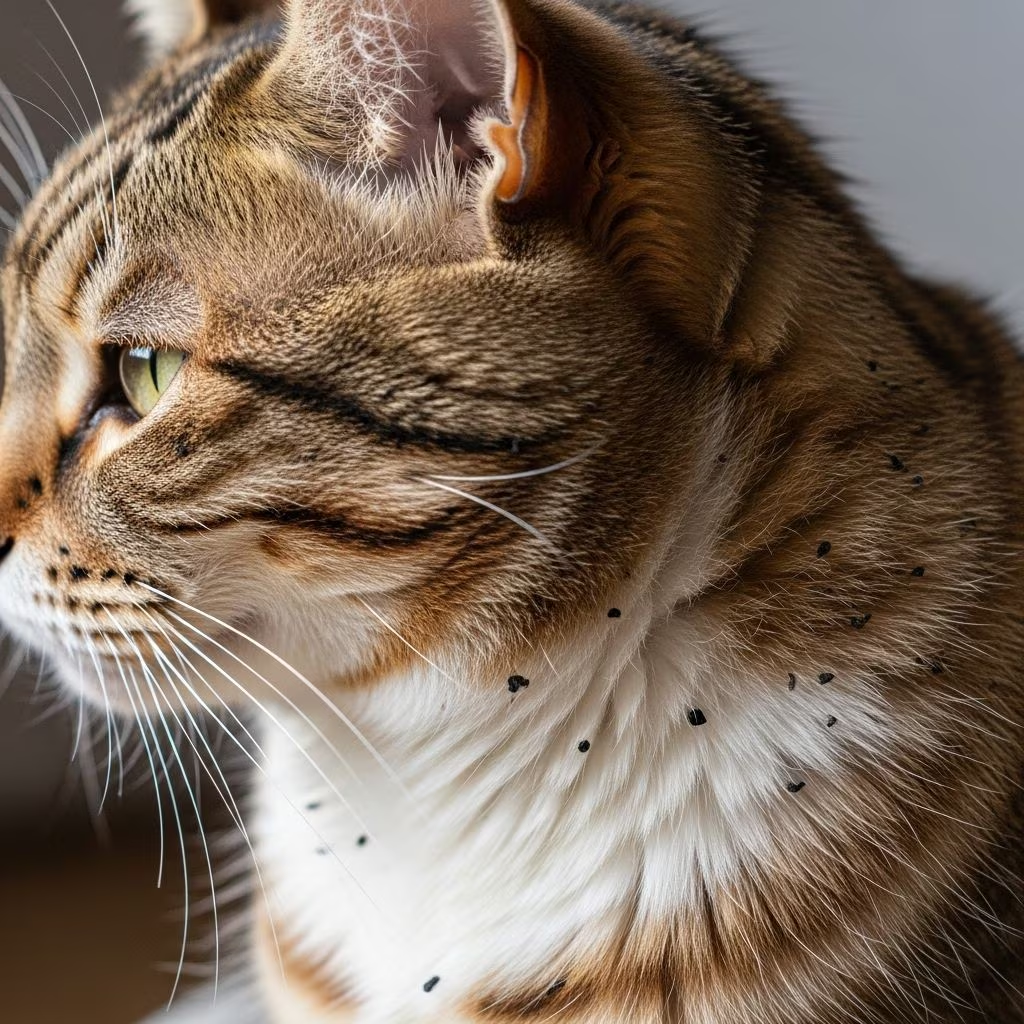
My Cat Has Black Specks in Her Fur: Understanding and Treating Flea Dirt
If you’ve noticed tiny black specks in your cat’s fur that look like grains of pepper, you’re likely dealing with flea dirt. This common concern affects many cat owners, but the good news is that it’s easily treatable once you understand what you’re looking at. This comprehensive guide will help you identify flea dirt, understand what it means for your cat’s health, and learn the most effective treatment options available.
What Are Black Specks in Your Cat’s Fur?
The black specks you see in your cat’s fur are most likely flea dirt, which is a combination of flea droppings and digested blood from your pet. While the term “flea dirt” might sound unpleasant, it’s actually one of the most reliable indicators that your cat has come into contact with fleas. Unlike adult fleas, which can be difficult to spot on a moving cat, flea dirt remains visible in your cat’s coat and serves as concrete evidence of flea activity.
Flea dirt typically appears as small, dark particles scattered throughout your cat’s fur, particularly around the head, neck, and tail base areas. The particles resemble tiny grains of black pepper, which makes them relatively easy to identify once you know what to look for. Even if you cannot see any actual fleas on your cat, the presence of flea dirt indicates that fleas have been present and feeding on your pet.
How to Identify Flea Dirt: The Water Test
One of the most effective ways to confirm that black specks are indeed flea dirt is to perform a simple water test. This easy diagnostic method requires minimal supplies and can be done at home within minutes. Here’s how to properly conduct this test:
Step-by-step identification process:
- Use a fine-toothed flea comb to gently comb through your cat’s fur, focusing on areas where you notice the black specks
- Collect the specks on a white tissue or paper towel to make them more visible
- Add a drop or two of water to the collected specks
- Observe whether the specks appear to “bleed” or leave a reddish-brown smear on the tissue
If the specks leave a reddish or brownish discoloration when exposed to water, this confirms the presence of digested blood and definitively indicates that your cat has fleas. This water test is particularly valuable because it provides visual confirmation even when you cannot spot live fleas on your pet. The color change occurs because flea dirt contains hemoglobin from the blood meal, which oxidizes and becomes visible when moistened.
Understanding the Flea Life Cycle and Implications
Finding flea dirt on your cat indicates that the flea life cycle is actively progressing on your pet. When fleas bite and feed on your cat’s blood, they leave behind fecal matter that appears as these characteristic black specks. The presence of flea dirt suggests that adult fleas are present, even if they’re not immediately visible to the naked eye.
Fleas are remarkably efficient parasites that can reproduce rapidly. A small flea population can quickly expand into a significant infestation if left untreated. This is why identifying flea dirt early is so important—it allows you to take action before the infestation becomes more severe. Additionally, fleas can transmit serious diseases and parasites to your cat, making prompt treatment essential for your pet’s overall health and wellbeing.
Effective Flea Treatment Options
Once you’ve confirmed that your cat has fleas through the presence of flea dirt, several safe and effective treatment options are available. The most reliable solutions involve preventative medications that kill fleas at various life stages.
Monthly flea prevention products:
Many veterinarians recommend prescription-strength monthly flea treatments as the most effective solution. These products work by killing adult fleas and often prevent flea eggs and larvae from developing. Common options include Advantage, Frontline, and Revolution. These medications are typically applied topically to your cat’s skin once per month, providing continuous protection throughout the treatment period.
Monthly treatments offer several advantages over alternative options. They provide consistent, long-term protection, are easy to apply, and have been extensively tested for safety. Your veterinarian can recommend the most appropriate product based on your cat’s age, weight, and overall health status.
Alternative treatment approaches:
In addition to monthly preventatives, other treatment options may be recommended depending on your situation:
- Flea shampoos and medicated baths that help remove flea dirt and kill fleas currently on your pet
- Oral flea medications that provide systemic flea control
- Environmental treatments to eliminate fleas from your home and prevent reinfestation
- Regular bathing with mild dish soap as a supplementary treatment method
While flea shampoos can provide immediate relief and help remove flea dirt, they typically don’t offer long-term protection. For this reason, combining immediate treatment with preventative medications is often the most effective approach for comprehensive flea control.
Treating Your Cat and Environment
Successfully eliminating fleas requires addressing both your cat and your home environment. Fleas can survive on bedding, furniture, and carpeting, meaning that treating only your cat may not prevent reinfestation.
Home treatment recommendations:
- Wash all cat bedding in hot water weekly to kill fleas and their eggs
- Vacuum carpets and furniture thoroughly and frequently to remove flea eggs and larvae
- Use environmental flea sprays or foggers as recommended by your veterinarian
- Treat any other pets in the household simultaneously to prevent cross-infestation
- Maintain regular cleaning routines even after the infestation appears to be resolved
Coordinating treatment across all affected pets and your entire home environment is crucial for breaking the flea lifecycle and preventing recurring infestations. Many flea problems persist because owners treat their cats but neglect to address the environmental sources of infestation.
When to Seek Veterinary Attention
While flea dirt itself is not an emergency, it’s important to contact your veterinarian for guidance on treatment. Your vet can confirm the diagnosis, prescribe appropriate medications, and monitor your cat’s response to treatment. Additionally, if you notice any of the following signs, prompt veterinary attention is warranted:
- Excessive scratching or signs of skin irritation beyond normal flea itching
- Hair loss or bald patches
- Signs of infection at scratch sites
- Changes in your cat’s behavior or appetite
- Any other unusual symptoms accompanying the flea infestation
Additional Health Considerations for Older Cats
If your cat is older, there are additional health factors to consider beyond the flea infestation. Cats aged 13 to 14 years and older face increased risk for several age-related conditions. If you’ve noticed that your cat is drinking more water than usual, this could indicate underlying health issues that warrant veterinary investigation.
Excessive thirst in senior cats can be associated with several conditions, including chronic renal failure, hyperthyroidism, and diabetes. While increased thirst that has always been present may not be concerning, a recent change in your cat’s drinking habits should be discussed with your veterinarian during your flea treatment consultation. Your vet can perform appropriate testing to rule out these conditions and ensure your senior cat receives comprehensive healthcare.
Prevention Strategies for the Future
After successfully treating your cat’s flea infestation, maintaining preventative measures is essential to avoid future problems. Continuous monthly flea prevention is the most reliable way to keep your cat flea-free year-round.
Long-term prevention tips:
- Continue monthly flea prevention medications year-round, even during winter months
- Maintain regular grooming and inspection of your cat’s coat
- Keep your home clean with regular vacuuming and washing of cat bedding
- Monitor your cat for any signs of flea activity, including new black specks in the fur
- Ensure any outdoor time is limited or supervised to reduce flea exposure
- Keep your cat indoors to minimize contact with flea-infested wildlife and other animals
Consistent preventative care is much more cost-effective and easier than treating an active infestation, making it the preferred approach for responsible cat ownership.
Frequently Asked Questions
Q: Can humans get fleas from cats?
A: While fleas prefer cats as hosts, they can bite humans, particularly if the infestation is severe. Proper flea treatment and home cleaning will resolve this issue. If you experience flea bites, consult your doctor.
Q: How long does it take for flea treatment to work?
A: Monthly flea preventatives typically begin killing fleas within hours of application. You may continue to see flea dirt for a few days as remaining flea waste is shed from your cat’s fur, but the infestation should be under control within one to two weeks.
Q: Are prescription flea treatments better than over-the-counter options?
A: Prescription-strength flea treatments from your veterinarian are generally more reliable and effective than over-the-counter alternatives. Your vet can also ensure the treatment is appropriate for your cat’s specific health status and other medications.
Q: What if my cat has an allergic reaction to flea treatment?
A: Contact your veterinarian immediately if you notice any signs of an allergic reaction, such as vomiting, diarrhea, or unusual behavior. Your vet can provide appropriate care and recommend an alternative flea treatment suitable for your cat.
Q: Can indoor cats get fleas?
A: Yes, indoor cats can get fleas through contact with other animals, contaminated clothing, or by hitching rides on their owners. This is why preventative treatment is important for all cats, regardless of lifestyle.
Q: How often should I groom my cat to check for fleas?
A: Regular grooming and inspection at least weekly with a flea comb helps you catch any flea activity early. More frequent grooming during warmer months when fleas are most active is beneficial.
References
- What Is Flea Dirt, and How Do You Get Rid of It? — PetMD. Accessed November 2025. https://www.petmd.com/general-health/flea-dirt
- My Cat Has Black Specks in Her Fur — Chewy. Accessed November 2025. https://www.chewy.com/education/cat/health-and-wellness/my-cat-has-black-specks-in-her-fur
- What are the black specks in my pet’s fur? — Itch Pet. Accessed November 2025. https://www.itchpet.com/blog/post/what-are-the-black-specks-in-my-pets-fur
- How to Get Rid of Fleas in Cats — Calder Vets. Accessed November 2025. https://www.caldervets.co.uk/pet-help-advice/cats/parasites-in-cats/79-how-to-get-rid-of-fleas-in-cats
- Skin Turning Black (Hyperpigmentation) in Cats — Vetster. Accessed November 2025. https://vetster.com/en/symptoms/cat/skin-turning-black
- 16 Common Cat Skin Problems and How to Spot Them — Noble Vet Clinic. Accessed November 2025. https://noblevetclinic.com/blog/16-common-skin-problems-cats



