

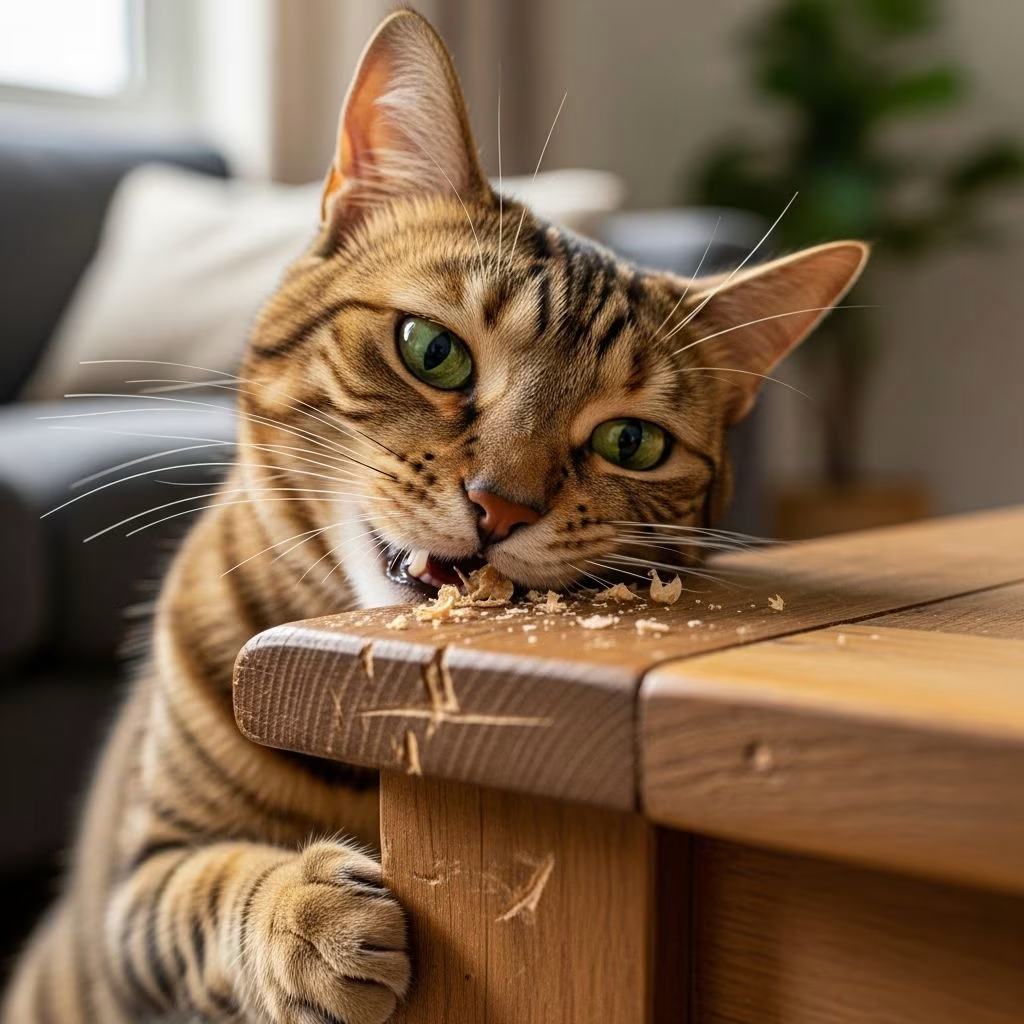
Why Your Cat Is Biting Wood Furniture: A Complete Guide to Understanding Pica
If you’ve noticed your feline companion gnawing on the corners of your wooden furniture, you’re not alone. Many cat owners face this frustrating and potentially dangerous behavior. Whether it’s the legs of your dining table, the arms of your couch, or wooden baseboards throughout your home, destructive wood chewing is a common concern. The good news is that this behavior, known as pica, can be understood and managed with the right approach and professional guidance.
Understanding why your cat exhibits this behavior is the first critical step toward resolving it. Your cat may be experiencing pica, which involves chewing or ingesting non-food items. This behavior requires attention because it can result in serious health complications, including life-threatening intestinal obstructions. The underlying causes can vary significantly from one cat to another, encompassing dietary, medical, and behavioral factors that need professional evaluation.
Understanding Pica in Cats
Pica is a behavioral condition where cats chew on and ingest items that aren’t food. This disorder extends beyond simple curiosity or playfulness and represents a genuine concern for your cat’s health and safety. When a cat engages in pica behaviors, they may target various household items including strings, wires, electrical cords, plants, fabrics, leather furniture, and most notably, wood furniture.
The severity of pica cannot be overstated. Ingesting wooden pieces can cause serious internal injuries, including intestinal blockages that may require emergency veterinary intervention. Even non-ingestion chewing creates splinters that can injure the cat’s mouth, paws, and digestive tract. Additionally, many types of furniture wood are treated with chemicals and finishes that can be toxic to cats, adding another layer of risk to this behavior.
What Causes Your Cat to Bite Wood Furniture?
Pica behaviors stem from multiple potential causes, and identifying the root cause is essential for effective treatment. Your veterinarian and a credentialed cat behaviorist can work together to determine which factors are contributing to your cat’s wood-chewing habits.
Dietary and Nutritional Deficiencies
One of the primary causes of pica is nutritional deficiency. Cats require specific vitamins and minerals to maintain optimal health. When their diet lacks essential nutrients, cats may instinctively seek these missing elements from non-food sources. This explains why some cats become obsessed with chewing wood or other unusual materials—they’re attempting to fulfill their body’s nutritional needs.
Ensuring your cat’s diet contains all necessary nutrients tailored to their specific lifestyle is crucial. Different cats have different nutritional requirements based on their age, activity level, and health status. A high-quality commercial cat food formulated to meet AAFCO (Association of American Feed Control Officials) standards should provide complete and balanced nutrition. However, consulting with your veterinarian about your cat’s specific dietary needs can help prevent nutritional deficiencies that trigger pica behavior.
Medical and Dental Health Issues
Dental problems represent another significant cause of wood chewing behavior. Cats suffering from tooth resorption, periodontitis, gingivitis, or other dental diseases often experience pain and discomfort. In an attempt to alleviate this pain, affected cats may chew on harder objects like wood furniture. This behavior, while instinctive, can exacerbate the problem and cause additional injury.
Regular dental care is essential for preventing these issues. Using cat-specific toothbrushes and dental care products helps maintain oral health. Dental chew toys designed for cats can also provide therapeutic benefits, helping to clean teeth while offering appropriate chewing outlets. Your veterinarian should perform regular dental examinations to catch problems early before they lead to destructive behaviors.
Obsessive-Compulsive and Behavioral Disorders
Some cats develop obsessive-compulsive tendencies that manifest as repetitive chewing behavior. Additionally, cats that experience boredom, anxiety, or stress may develop furniture-chewing habits as a coping mechanism. Cats can become bored for various reasons, including prolonged periods alone, insufficient physical activity, lack of environmental enrichment, or difficulty adjusting to new living situations.
Behavioral disorders require comprehensive management. A certified cat behaviorist can evaluate your cat’s specific situation and provide behavior modification recommendations tailored to address the underlying emotional or psychological issues driving the destructive chewing.
Genetic and Breed Predisposition
Certain cat breeds appear to have a genetic predisposition toward pica behaviors. Siamese and Birman cats, for instance, are reported to have higher incidences of wool chewing and material ingestion compared to other breeds. When these breeds are crossed with other cats, this tendency can be passed down to offspring, suggesting a hereditary component to the behavior.
If your cat is from a breed known for pica tendencies, you should be particularly vigilant about monitoring for these behaviors and implementing preventive measures early in your cat’s life.
Health Risks Associated with Wood Chewing
Understanding the potential dangers of wood chewing is essential for motivating intervention. The risks extend far beyond simple furniture damage:
- Intestinal Obstruction: Swallowed wood pieces can lodge in the digestive tract, causing life-threatening blockages that require emergency surgery
- Splinter Injuries: Wood splinters can injure the mouth, gums, and entire digestive tract, leading to pain and infection
- Chemical Toxicity: Furniture finishes, stains, and treatments often contain chemicals harmful to cats, including lead-based paints and toxic varnishes
- Choking Hazard: Large pieces of wood can become lodged in the throat, creating an immediate choking emergency
Warning signs that your cat may be experiencing complications from wood ingestion include vomiting, lethargy, loss of appetite, diarrhea or constipation, abdominal tenderness, and abnormal body temperature. Any of these symptoms warrant immediate veterinary attention.
Professional Evaluation and Diagnosis
Before implementing any behavior modification strategies, it’s crucial to have your cat evaluated by a veterinarian. Your vet can rule out medical causes such as dental disease, nutritional deficiencies, gastrointestinal issues, or other health problems contributing to pica behavior. Often, veterinarians prescribe medication along with behavior modification for cats struggling with pica. Some cats may benefit from anti-anxiety medications or treatments for obsessive-compulsive behaviors.
Following the veterinary evaluation, consulting with a credentialed cat behaviorist provides additional expertise in behavior modification and management. These professionals can assess your home environment, your cat’s daily routine, and specific triggers contributing to the destructive behavior, then create a customized intervention plan.
Practical Strategies to Stop Your Cat from Biting Wood Furniture
Providing Acceptable Chewing Alternatives
One of the most effective strategies is offering your cat appropriate items to chew instead. Provide dental chew toys specifically designed for cats that are safe to chew and swallow. Cat-safe chicken or turkey jerky (without any spices or seasonings) gives your cat a legitimate chewing outlet. Puzzle toys that dispense treats as your cat manipulates them provide both mental stimulation and appropriate chewing opportunities.
Environmental Enrichment
A stimulating environment significantly reduces destructive behaviors. Interactive toys your cat cannot chew and swallow—such as TurboScratchers, ball toys, and tract toys—keep your cat engaged and mentally active. Tall cat trees with multiple levels and climbing perches provide physical exercise and mental stimulation. Wall-mounted shelves throughout your home create vertical pathways that satisfy your cat’s climbing instincts. Puzzle boxes and treat-dispensing toys offer ongoing mental challenges that redirect focus away from furniture.
Establishing Consistent Routine and Schedule
Cats thrive on predictability. Feeding your cat at consistent times each day helps regulate their behavior and reduces anxiety. When possible, divide meals into multiple smaller portions throughout the day using timed feeding stations that automatically dispense meals at set intervals. If your cat enjoys grooming, establish regular daily grooming sessions at the same time, which provides bonding time and routine structure.
Engaging Play and Exercise
Many cats, particularly young Siamese breeds mentioned in behavioral literature, have high play drives and energy levels. Engage your cat in at least two vigorous play sessions daily—ideally one in the morning and another in the evening. Use fishing pole toys that simulate hunting behavior, which is particularly engaging for cats. Interactive play that tires your cat physically also helps reduce stress and anxiety-driven behaviors.
Deterrent Sprays and Scent Barriers
Applying taste and scent deterrents to furniture can discourage chewing. Commercial bitter apple spray is specifically formulated to taste unpleasant to cats. A homemade alternative combines two cups of lemon juice with one cup of white vinegar in a spray bottle; shake well and apply to furniture legs and other items your cat targets. Other unappealing scents including cayenne, rosemary, and citronella can also deter chewing behavior.
Clicker Training and Positive Reinforcement
Clicker training, a positive-based training method, helps redirect your cat’s focus away from furniture. This technique involves using a clicker device to mark desired behaviors, followed by immediate rewards. When your cat chooses appropriate chewing items instead of furniture, click and reward with praise or treats. This positive reinforcement strengthens desired behaviors and helps your cat understand the distinction between acceptable and unacceptable chewing targets.
Managing Your Home Environment
Beyond direct behavior modification, strategic environmental management reduces opportunities for destructive chewing. Cover exposed wooden furniture legs with carpet, fabric, or sisal materials secured with non-toxic fasteners. Block access to wires and cords using hollow tubing or by arranging furniture to prevent access. Double-sided sticky tape placed near cables and cords creates an unappealing surface that cats dislike walking on. Remove toxic houseplants from your home, as many cats who like to chew also like to graze on vegetation—offering cat grass or catnip as safe alternatives.
Frequently Asked Questions About Cat Wood Chewing
Q: Is wood chewing normal cat behavior?
A: While some exploration and chewing is normal in kittens, persistent wood chewing in adult cats suggests pica, which requires veterinary evaluation and intervention. It’s not typical behavior that should be ignored.
Q: Can dietary changes alone stop my cat from chewing wood?
A: While nutritional deficiencies can contribute to pica, addressing only diet may not resolve the behavior if other medical or behavioral factors are involved. A comprehensive approach involving veterinary evaluation and behavior modification typically produces the best results.
Q: How long does behavior modification take?
A: Behavior change timelines vary depending on the underlying causes, your cat’s age, and consistency in implementing interventions. Many cats show improvement within weeks to months when multiple strategies are applied consistently.
Q: Is medication necessary for pica?
A: Medication may be prescribed if the pica is linked to anxiety, obsessive-compulsive behaviors, or other medical conditions. Your veterinarian determines whether medication is appropriate based on individual assessment.
Q: Can I simply remove the cat’s access to wooden furniture?
A: While limiting access helps prevent immediate damage, it doesn’t address the underlying cause of the pica behavior. Your cat may redirect the chewing to other household items, so addressing the root cause remains important.
When to Seek Professional Help
If your cat’s wood-chewing behavior persists despite your intervention efforts, or if you notice signs of ingestion (vomiting, lethargy, loss of appetite), contact your veterinarian immediately. Persistent behavioral issues warrant consultation with a certified cat behaviorist who can provide expert guidance tailored to your specific situation.
Conclusion: Taking Action for Your Cat’s Health
Your cat’s wood-chewing behavior deserves serious attention, not dismissal as mere mischief. By understanding that this behavior likely represents pica—a condition with medical, dietary, or behavioral underpinnings—you can approach the problem systematically. Start with a veterinary evaluation to rule out health issues and nutritional deficiencies. Implement comprehensive behavior modification strategies including environmental enrichment, consistent routines, appropriate chewing alternatives, and positive reinforcement training. With patience, professional guidance, and consistent implementation of these strategies, most cats can overcome their furniture-chewing obsession and enjoy a healthier, more balanced lifestyle in your home.
References
- My Cat Is Biting The Wood Furniture — Chewy Education Center. Retrieved from https://www.chewy.com/education/cat/training-and-behavior/my-cat-is-biting-the-wood-furniture
- Pica in Cats — PetMD. Retrieved from https://www.petmd.com/cat/conditions/behavioral/pica-cats
- Feline Behavior Problems: Destructive Behavior — Cornell Feline Health Center. Retrieved from https://www.vet.cornell.edu/departments-centers-and-institutes/cornell-feline-health-center/health-information/feline-health-topics/feline-behavior-problems-destructive-behavior
- Destructive Chewing and Scratching — Vetwest Veterinary Clinics. Retrieved from https://www.vetwest.com.au/pet-library/destructive-chewing-and-scratching/
- Cat Chews on Wood Furniture: What Does it Mean? — RexiPets. Retrieved from https://rexipets.com/blogs/the-latest/cat-chews-on-wood-furniture



