
Cat Bite Risks: Immediate Actions and Care
Discover essential steps to handle cat bites, spot infections early, and prevent serious complications for quick recovery.
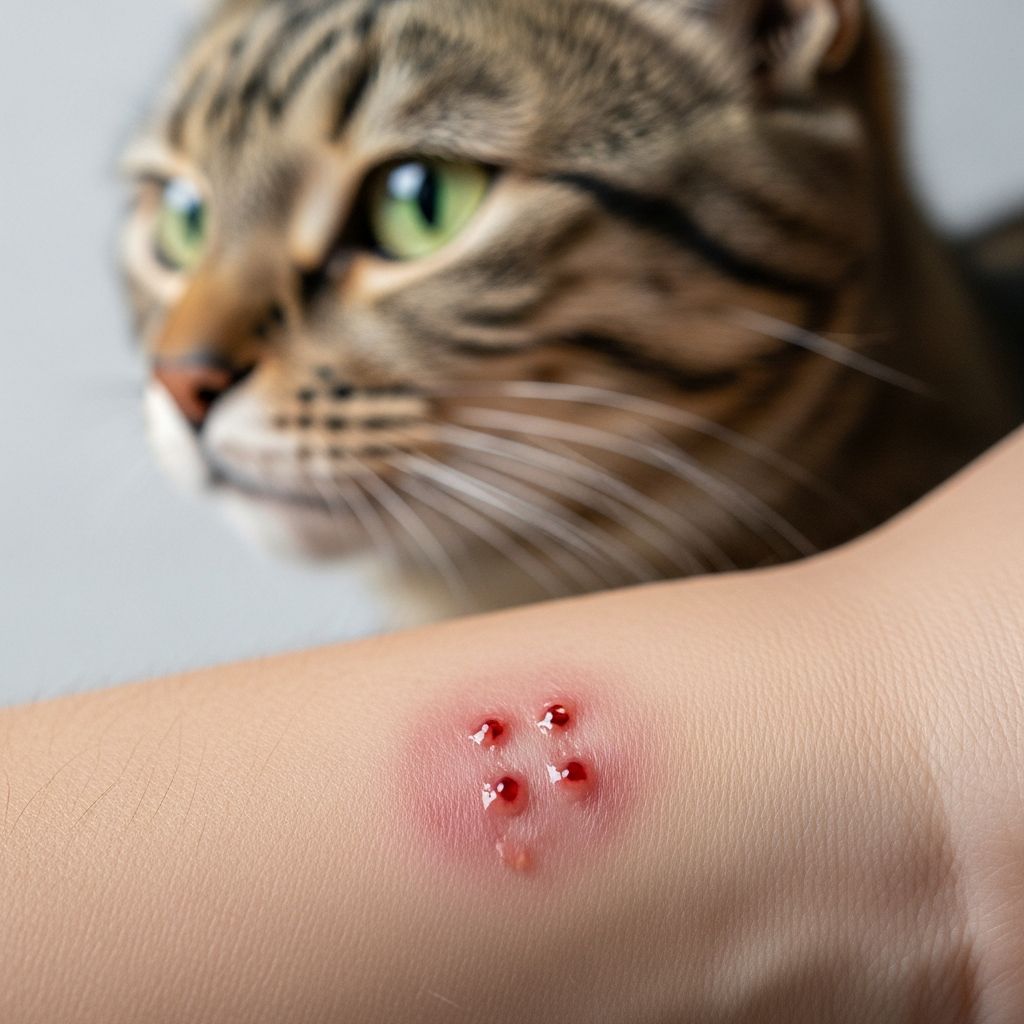
Cat bites pose significant health threats due to their sharp teeth creating deep puncture wounds that trap bacteria, leading to rapid infections in up to 50% of cases if untreated. Understanding immediate response protocols can prevent escalation to severe conditions like cellulitis or systemic illness.
Why Cat Bites Are Particularly Dangerous
Cats possess slender, needle-like canines that penetrate skin deeply, injecting oral bacteria such as Pasteurella multocida directly into tissues. Unlike superficial scratches, these punctures seal quickly, fostering anaerobic environments ideal for bacterial proliferation. Infections often manifest within 12-24 hours, far quicker than many other animal bites.
High-risk factors include bites on hands, wrists, or joints, where movement spreads bacteria, and in immunocompromised individuals, where even minor bites can lead to hospitalization. Statistics from veterinary and medical sources indicate that prompt intervention reduces complication rates dramatically.
Recognizing Early Warning Signs of Infection
Monitor the bite site closely post-incident. Initial symptoms may mimic normal inflammation but can progress rapidly. Key indicators include:
- Localized redness expanding beyond the wound edges, signaling cellulitis.
- Warmth and swelling with intensifying pain, typical of Pasteurella infections within 12 hours.
- Pus drainage or abscess formation, indicating established bacterial colonies.
Advanced signs demand immediate attention:
| Symptom | Implication | Urgency |
|---|---|---|
| Red streaks radiating from wound | Lymphangitis; potential sepsis precursor | Emergency room now |
| Fever over 100.4°F or chills | Systemic spread (bacteremia) | Seek ER evaluation |
| Swollen lymph nodes (1-3 weeks later) | Possible cat scratch disease | Physician visit promptly |
Flu-like symptoms such as fatigue, headache, or muscle weakness further heighten concern, especially if mobility near the site is impaired.
Step-by-Step First Aid for Cat Bites
Act within minutes to minimize bacterial load. Follow this protocol:
- Control bleeding: Apply gentle pressure with a clean cloth for 5-10 minutes. Elevate the limb if possible.
- Flush the wound: Rinse under running water with mild soap for 5 minutes. Use high-pressure irrigation if available to dislodge debris.
- Disinfect: Apply over-the-counter antibiotic ointment like bacitracin. Avoid hydrogen peroxide, which damages healthy tissue.
- Bandage loosely: Use sterile gauze to allow drainage; change daily or if soiled.
Do not attempt to squeeze out punctures, as this drives bacteria deeper. Seek professional care for deep punctures, regardless of initial appearance.
When to Seek Professional Medical Help
Consult a doctor within 8 hours for all skin-breaking bites, particularly if:
- The cat is stray, unvaccinated, or feral (rabies risk).
- You have diabetes, HIV, or are on immunosuppressive drugs.
- Bite location involves face, neck, hands, or genitals.
Healthcare providers typically perform thorough irrigation, may order X-rays for tooth fragments or bone involvement, and prescribe broad-spectrum antibiotics like amoxicillin-clavulanate for 3-5 days. Tetanus boosters are standard if overdue, and rabies post-exposure prophylaxis may be initiated if vaccination status is unknown.
Wounds are usually left unsutured to promote drainage and reduce abscess risk.
Understanding Cat Scratch Disease (CSD)
Distinct from acute bite infections, CSD stems from Bartonella henselae, transmitted via bites, scratches, or licks on open wounds. Symptoms emerge 1-3 weeks later:
- Tender, enlarged lymph nodes near the injury site.
- Low-grade fever, fatigue, and headache.
- A healing papule at the entry point.
Most cases resolve in 2-4 months without intervention, but antibiotics like azithromycin aid symptomatic relief, especially in vulnerable populations where dissemination can cause organ involvement. Diagnosis involves serology or PCR testing, as it mimics other infections.
Preventing Cat Bites and Related Injuries
Proactive measures safeguard households:
- Handle gently: Avoid rough play; respect feline body language like tail twitching or ear flattening.
- Trim nails: Regular clipping reduces scratch severity.
- Vaccinate pets: Core vaccines protect against rabies and lessen disease transmission.
- Supervise children: Educate on safe interactions; bites to kids warrant extra vigilance.
For multi-cat homes, spaying/neutering curbs aggression. Consult vets for behavior training if biting recurs.
Long-Term Monitoring and Follow-Up
After initial treatment, track healing for 48-72 hours. Red flags post-care include recurrent swelling, persistent fever, or joint stiffness, necessitating re-evaluation. Complete antibiotic courses to prevent resistance.
Immunocompromised patients should report all incidents immediately, as risks amplify. Document incidents for insurance or legal purposes if involving strays.
Frequently Asked Questions (FAQs)
Can I treat a cat bite at home without seeing a doctor?
No, puncture wounds require professional assessment due to high infection rates; home care supports but does not replace medical evaluation.
How quickly do cat bite infections develop?
Typically 12-24 hours for acute bacterial infections; CSD appears in 1-3 weeks.
Are antibiotics always necessary for cat bites?
Often yes for prophylaxis in high-risk cases; decisions follow wound exam and patient factors.
What if red streaks appear after a cat bite?
This signals lymphangitis—head to the ER without delay, as sepsis can ensue rapidly.
Is rabies a concern from domestic cat bites?
Rare if vaccinated, but unknown-status cats trigger post-exposure protocols.
Expert Insights on Cat Bite Management
Medical consensus emphasizes urgency: irrigation reduces bacterial load most effectively early on. Studies affirm that early antibiotics halve hospitalization odds. For CSD, watchful waiting suits healthy adults, but treatment targets persistents.
Expand knowledge with routine pet health checks to preempt zoonoses.
References
- Infected Cat Bite? Signs & When to Get Urgent Care — Monarch Medicine. 2023. https://monarchmedicine.org/what-does-an-infected-cat-bite-look-like-understanding-the-signs-and-when-to-seek-care/
- Cat Bite Infection: Signs Timeline & When to See a Vet — Lady N Pet. 2024. https://ladynpet.com/us/blog/cat-bite/
- What to Know About a Cat Bite or Scratch — WebMD. 2023-10-15. https://www.webmd.com/pets/cats/what-to-know-about-a-cat-bite-or-scratch
- Cat Bites: Risks, Treatment, and When to Get Help — Healthline. 2024. https://www.healthline.com/health/cat-bite
- Cat Bite Injuries to Humans — VCA Animal Hospitals. 2023. https://vcahospitals.com/know-your-pet/wounds-cat-bite-injuries-to-humans
- Cat bite: Safety, first aid, and seeking help — Medical News Today. 2023-05-12. https://www.medicalnewstoday.com/articles/cat-bite
- Treatment for Dog and Cat Bites and Scratches — Johns Hopkins Medicine. 2024. https://www.hopkinsmedicine.org/health/treatment-tests-and-therapies/treatment-for-dog-and-cat-bites-and-scratches
Similar Articles








Read full bio of Sneha Tete




