
Cat Bite Injuries to Humans: Treatment & Prevention
Learn how to properly treat cat bite wounds and prevent serious infections.
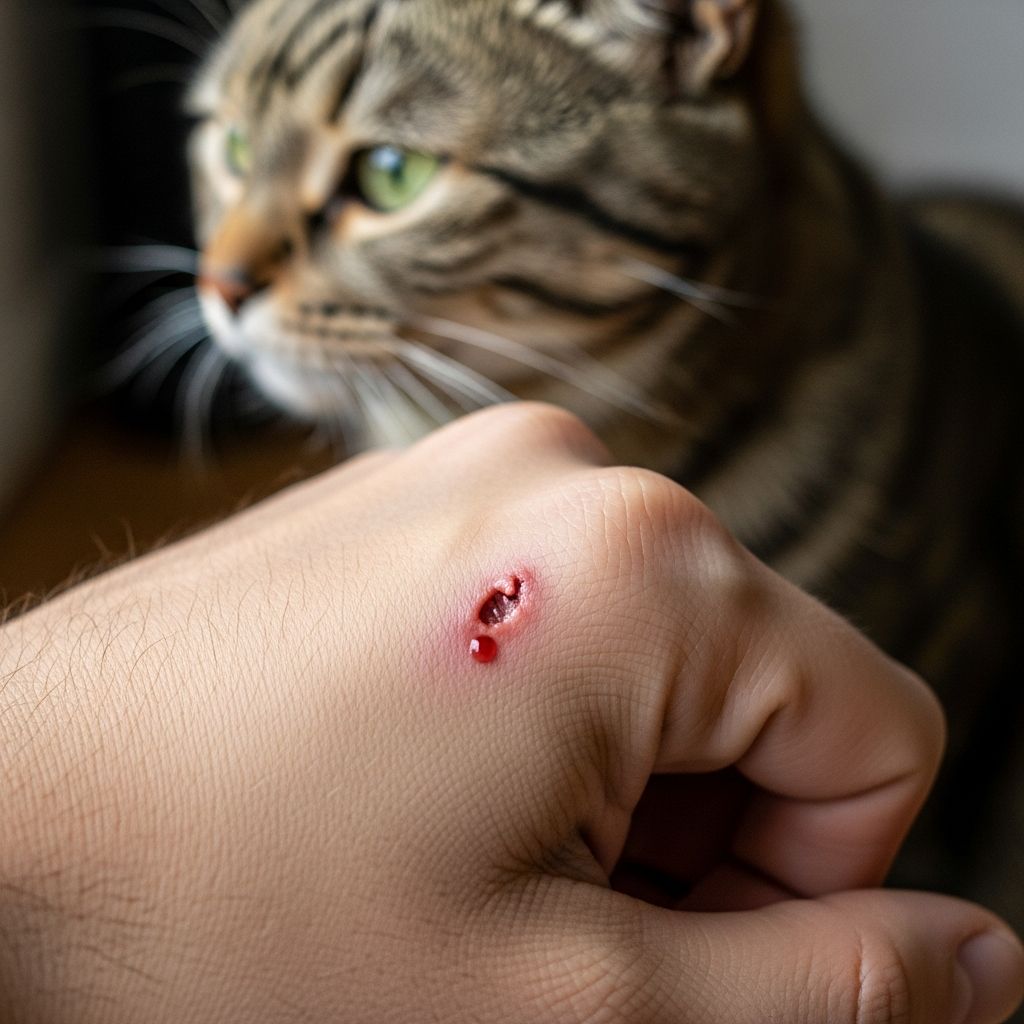
Cat Bite Injuries to Humans: A Comprehensive Guide
Cat bite injuries are a common occurrence that should never be taken lightly. While cats are beloved companions, their bites can lead to serious infections if not properly treated. Understanding how to respond immediately to a cat bite, recognizing signs of infection, and knowing when to seek professional medical care are essential skills for pet owners and anyone who may encounter a cat bite. This guide provides comprehensive information on managing cat bite wounds effectively.
Understanding Cat Bite Injuries
Cat bites present a unique challenge compared to other animal bites due to the nature of feline teeth. Cats have sharp, pointed teeth that create deep puncture wounds rather than lacerations or tears. These puncture wounds are particularly dangerous because they drive bacteria deep into the skin, creating an environment where infection can develop rapidly. The bacteria from a cat’s mouth, including Pasteurella multocida and other pathogenic organisms, can quickly multiply in the warm, moist environment of a puncture wound. When left untreated, a serious infection can develop within 24 to 48 hours of the bite occurring.
One significant concern with cat bites is that the wound often appears deceptively small on the surface while harboring deep tissue damage. This characteristic makes it easy for individuals to underestimate the severity of the injury and delay seeking medical attention, which can allow infection to progress unchecked.
Immediate Actions After a Cat Bite
The first few moments after sustaining a cat bite are critical in preventing infection and ensuring proper healing. Taking immediate action can significantly reduce the risk of complications.
Washing and Cleaning the Wound
Your first priority should be to wash the wound thoroughly under running water for at least 5 minutes. This initial rinse helps flush out bacteria and debris from the bite site. While washing, avoid scrubbing the wound vigorously, as this may harm tissue and delay the natural healing process. Additionally, refrain from using strong disinfectants or harsh chemicals, which can damage healthy tissue around the wound.
After the initial rinse, you can clean the wound further using a mild soap solution or a mild salt solution. To prepare a salt solution, mix 1 teaspoon of table salt in 2 cups of water. This gentle cleaning method effectively removes contaminants without causing tissue damage. The goal is to create a clean environment that promotes healing while reducing the bacterial load.
Controlling Bleeding
After cleaning, control any bleeding by applying direct pressure to the wound using an absorbent dressing or clean bandage. Maintain pressure for several minutes until the bleeding slows or stops. If bleeding is minor, an over-the-counter antibiotic cream can be applied before bandaging. For deeper bites with significant bleeding, continue applying pressure with a clean cloth or towel until medical attention can be obtained.
Covering the Wound
Once cleaned and bleeding has been controlled, cover the wound with a sterile bandage or dressing. Keep the wound covered and protected until you can see a healthcare provider. Plan to change the bandage several times daily as the wound heals, maintaining cleanliness and monitoring for any signs of infection.
When to Seek Medical Attention
It is strongly advisable to see a physician as soon as possible after a cat bite, ideally within eight hours. Most cat bite wounds require professional medical evaluation and treatment to prevent serious complications. Your doctor will assess the depth and location of the bite, determine the risk of infection, and recommend appropriate treatment options.
Professional Medical Treatment
Your healthcare provider will likely perform the following during your visit:
- Thoroughly examine and clean the wound
- Prescribe antibiotic ointment for topical application
- Prescribe oral antibiotics to reduce infection risk
- Determine whether the wound requires suturing or should be left open to heal
- Assess tetanus vaccination status and administer a booster if necessary
- Evaluate rabies risk and recommend prophylaxis treatment if appropriate
Research indicates that approximately 30% of people who sought treatment for cat bites on their hands ended up being hospitalized, with average hospital stays exceeding three days. This statistic underscores the serious nature of cat bite infections and the importance of timely professional treatment.
Antibiotic Therapy
Antibiotics are a cornerstone of cat bite treatment. Your doctor may prescribe oral antibiotics as a preventive measure or recommend intravenous antibiotics if cellulitis or lymphangitis has developed. First-line antibiotic options for adults typically include amoxicillin/clavulanate. Alternative medications may include doxycycline, cephalosporins such as cefuroxime or cefpodoxime, or combinations of clindamycin with ciprofloxacin or trimethoprim/sulfamethoxazole. The choice of antibiotic depends on various factors including your medical history, allergies, and the severity of the bite.
Signs of Infection
Even with immediate care and antibiotic treatment, infections can still develop. It is essential to monitor the bite site closely in the days following the injury and watch for signs that indicate infection:
- Redness or increased erythema around the bite site
- Swelling or enlargement of the affected area
- Increased pain or tenderness
- Fever or elevated body temperature
- Pus or unusual fluid draining from the wound
- Red streaking extending from the bite site up the limb (lymphangitis)
- Headache or general feeling of illness
- Decreased appetite
- Swollen lymph glands
If you observe any of these symptoms, contact a physician immediately. Early intervention significantly improves treatment outcomes, and most cat bite infections respond well to antibiotics and proper medical care when addressed promptly.
Special Considerations for Stray or Unknown Cats
If you have been bitten by a stray cat or an unknown cat, the situation requires more urgent attention. Stray cats may carry rabies, a serious and potentially fatal viral infection. If bitten by a stray cat, wash the wound immediately with soap and water for 5 minutes, then contact a doctor right away.
Your healthcare provider may recommend rabies post-exposure prophylaxis (PEP), which involves a series of rabies vaccinations. This treatment is highly effective at preventing rabies when administered promptly after exposure. The specific recommendation depends on factors such as the cat’s vaccination history, whether the cat can be observed for symptoms, and the nature of the bite.
Tetanus Vaccination
Another important consideration following a cat bite is tetanus protection. If your tetanus vaccination is not current, your doctor may recommend a tetanus booster. Current guidelines suggest receiving a tetanus booster if you have not had one in the past five years and the wound is deep or dirty. The booster should be administered within 48 hours of the injury for maximum effectiveness.
Wound Closure Decisions
A common question concerns whether cat bite wounds should be sutured or closed. Generally, some cat bite wounds may be sutured if they are cosmetically important, but many wounds benefit from being left open to heal naturally. Leaving wounds open allows drainage and reduces the risk of infection becoming trapped within the wound. Your healthcare provider will assess the specific characteristics of your bite and make the best recommendation for your situation. Surgical intervention may be indicated if deep space infections develop, requiring drainage and specialized treatment.
Caring for Your Wound During Healing
After receiving professional treatment, proper wound care at home is crucial for optimal healing and infection prevention. Change your bandage several times daily, keeping the wound clean and dry. Continue monitoring for signs of infection throughout the healing process. Follow all instructions provided by your healthcare provider regarding medication use, wound cleaning, and follow-up appointments.
Prevention of Cat Bites
While understanding how to treat cat bites is important, prevention is always preferable. To reduce your risk of being bitten:
- Learn to recognize signs of an agitated or frightened cat, such as tail swishing, ear flattening, or hissing
- Respect a cat’s boundaries and personal space
- Avoid handling unfamiliar cats, especially strays
- Never attempt to separate fighting cats with your bare hands
- Ensure any cat you own receives appropriate veterinary care and vaccinations
- Teach children proper cat handling and respect for feline behavior
Frequently Asked Questions
Q: How quickly can a cat bite infection develop?
A: A serious infection from a cat bite can develop within 24 to 48 hours if the wound is left untreated. This rapid progression is due to the deep puncture nature of cat bites and the bacteria present in cats’ mouths. Seeking medical attention as soon as possible after a bite significantly reduces infection risk.
Q: Is it safe to treat a cat bite at home without seeing a doctor?
A: No, it is not advisable to treat a cat bite solely at home. While initial first aid measures are important, professional medical evaluation is strongly recommended. A physician can properly assess the wound, prescribe appropriate antibiotics, evaluate rabies and tetanus risk, and determine if the wound requires suturing or other interventions.
Q: What should I do if I don’t know the cat’s rabies vaccination status?
A: If you cannot confirm the cat’s rabies vaccination status, especially if bitten by a stray, consult with a healthcare provider immediately. They may recommend rabies post-exposure prophylaxis as a precautionary measure. Rabies is a serious, potentially fatal condition, and prevention through vaccination after exposure is highly effective.
Q: Can cat bites cause serious complications beyond infection?
A: Yes, cat bites can lead to severe complications including cellulitis, lymphangitis, deep space infections, and systemic infection if not properly treated. In rare cases, particularly if rabies exposure is involved, complications can be life-threatening. This is why prompt professional treatment is essential.
Q: How long does it typically take for a cat bite wound to heal?
A: Healing time varies depending on the depth and location of the bite, whether it was sutured, and whether infection develops. Minor bites may heal within one to two weeks, while deeper wounds may take several weeks. Proper wound care, adherence to antibiotic therapy, and monitoring for infection all influence healing time.
Q: Should I use strong antiseptics or disinfectants on a cat bite?
A: No, avoid using strong disinfectants, harsh chemicals, or vigorous scrubbing on cat bite wounds. These can damage healthy tissue and delay healing. Instead, use mild soap and water or a gentle salt solution. Your healthcare provider may recommend specific cleaning solutions if needed.
References
- Cat Bite Cellulitis — National Center for Biotechnology Information (NCBI), National Institutes of Health. 2014. https://pmc.ncbi.nlm.nih.gov/articles/PMC4131574/
- Dog and Cat Bites — American Academy of Family Physicians. 2014-08-15. https://www.aafp.org/pubs/afp/issues/2014/0815/p239.html
- What To Do for a Cat Bite or Scratch — Cleveland Clinic. 2025. https://health.clevelandclinic.org/cat-bites-scratches
- Cat bite: Safety, first aid, and seeking help — Medical News Today. https://www.medicalnewstoday.com/articles/cat-bite
- Animal bites: First aid — Mayo Clinic. https://www.mayoclinic.org/first-aid/first-aid-animal-bites/basics/art-20056591
- Animal Bites — Know When to Go to the ER — American College of Emergency Physicians. https://www.emergencyphysicians.org/article/know-when-to-go/animal-bites
Similar Articles








Read full bio of medha deb




