Cat Bite Injuries to Humans: First Aid and Medical Care
Learn essential first aid for cat bites and when to seek medical attention to prevent serious infections.
Cat Bite Injuries to Humans: Understanding the Risks and Proper Treatment
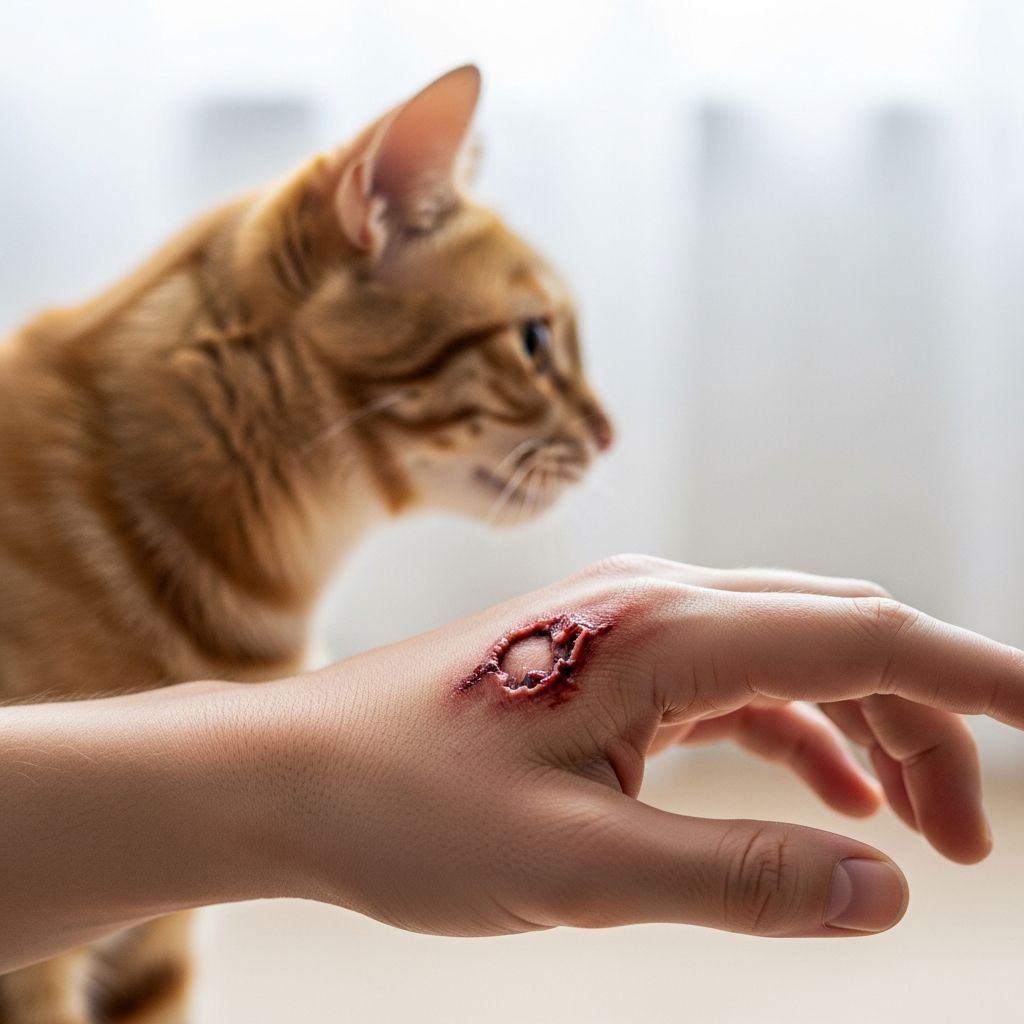
Cat bites may seem minor compared to other animal injuries, but they pose a significant risk of serious infection. Unlike dog bites, which tend to cause larger, more obvious wounds, cat bites typically create small puncture wounds that are deceptively dangerous. These puncture wounds can drive pathogenic bacteria deep into the skin, where they become trapped as the wound heals quickly on the surface. Understanding how to properly treat a cat bite and recognizing when professional medical intervention is necessary can prevent complications and ensure proper healing.
What Immediate Action Should I Take If Bitten by a Cat?
The first moments after a cat bite are critical for preventing infection and minimizing damage. Immediate action can significantly reduce the risk of serious complications developing.
Step-by-Step First Aid for Cat Bites
1. Wash the wound immediately: Immediately wash the wound under running water for at least 5 minutes. This initial rinse helps flush out bacteria and debris from the wound. The water pressure should be gentle but thorough—avoid scrubbing the wound vigorously, as this may cause additional tissue damage and actually push bacteria deeper into the puncture.
2. Clean with appropriate solutions: After the initial rinse, you may clean the wound with a mild soap solution or a mild salt solution. To prepare a salt solution, mix 1 teaspoon of table salt in 2 cups of water. Avoid using strong disinfectants or harsh chemicals, as these can harm tissue and delay the natural healing process.
3. Control bleeding: Control bleeding by applying direct pressure to the wound using an absorbent dressing or bandage. If bleeding continues, maintain pressure for several minutes. For deeper bites with significant bleeding, apply continuous pressure with a clean cloth or towel until bleeding stops.
4. Apply antibiotic treatment: Once bleeding is controlled, apply an over-the-counter antibiotic cream or ointment to the wound. This provides an additional layer of protection against bacterial infection.
5. Dress the wound: Cover the bite with a clean, sterile bandage. Keep the wound bandaged until you receive professional medical evaluation. Plan to change the bandage several times daily as the wound heals, and watch for any signs of developing infection.
Do I Really Need to See a Doctor?
Yes, it is advisable to see a physician as soon as possible to properly treat a cat bite injury. This is not optional advice—professional medical evaluation is important even for bites that appear minor at first.
Timeline for Seeking Medical Care
The timing of medical intervention is critical. Seek a doctor within eight hours to cut your infection risk significantly. A serious infection can develop within 24 to 48 hours of the initial bite if left untreated. The longer you wait to seek treatment, the higher your risk of developing complications.
What Your Doctor Will Likely Do
Your doctor will likely prescribe antibiotic ointment and possibly oral antibiotics to reduce the risk of infection developing at the bite site or elsewhere in the body. Your physician may recommend different types of antibiotics based on the severity of the wound and your medical history.
Some wounds may need to be sutured (stitched) while others will be left open to heal. The decision depends on the depth and location of the bite. A tetanus booster may also be recommended, particularly if you haven’t received one in the past five years and the wound is deep or dirty.
Depending on the severity of the bite and the circumstances surrounding the incident, your doctor may also recommend that you receive rabies prophylaxis treatment. This is especially important if the bite came from a stray cat or an animal whose vaccination status is unknown.
Serious Cases Requiring Hospitalization
Cat bites on the hand are particularly concerning. One study found that 30% of people who sought treatment for a cat bite on their hand ended up being hospitalized. The average hospital stay was more than three days. You may need intravenous antibiotics, or in some cases, you may even need to be hospitalized.
Signs and Symptoms of Infection
It’s crucial to monitor your wound carefully in the days following a bite. Watch for signs of infection, including redness, swelling, increased pain, and fever. Additional warning signs include:
- Fever or chills
- Headache
- Decreased appetite
- Swollen lymph glands
- A general feeling of illness
- Red streaking extending from the wound up the limb
- Unusual fluid or discharge draining from the wound
- A bad smell coming from the wound area
If you develop any of these symptoms, contact a physician immediately. With early intervention, most cat bite infections are treatable with antibiotics or other medications and proper care.
Why Are Cat Bites So Dangerous?
Cat bites are particularly prone to infection for several specific reasons:
- Puncture wound characteristics: Most cat bite wounds are small punctures that drive pathogenic bacteria deep into the skin, beyond the reach of surface cleaning.
- Rapid surface healing: Cat bite wounds often heal quickly on the surface, trapping bacteria inside and creating an ideal environment for infection to develop.
- Bacterial contamination: Cat mouths contain numerous bacteria capable of causing serious infections.
- Tissue damage: The sharp teeth and puncturing nature of cat bites create deep wounds that are difficult to clean and monitor.
Antibiotic Treatment for Cat Bites
Professional antibiotic treatment is a crucial component of cat bite management. Different antibiotics may be recommended depending on the severity of the infection and individual factors.
Antibiotic Options for Adults
First-line treatment: Amoxicillin/clavulanate (Augmentin), 875/125 mg every 12 hours is typically the preferred option for adult cat bite infections.
Alternative options include:
- Clindamycin, 300 mg 3 times per day plus ciprofloxacin (Cipro), 500 mg twice per day
- Doxycycline, 100 mg twice per day
- Penicillin VK, 500 mg 4 times per day plus dicloxacillin, 500 mg 4 times per day
- Cefuroxime axetil (Ceftin), 500 mg twice per day plus metronidazole (Flagyl), 250 to 500 mg 4 times per day
Antibiotic Options for Children
First-line treatment: Amoxicillin/clavulanate, 25 to 45 mg per kg divided every 12 hours is typically recommended for children.
Alternative options include:
- Clindamycin, 10 to 25 mg per kg divided every 6 to 8 hours plus trimethoprim/sulfamethoxazole, 8 to 10 mg per kg (trimethoprim component) divided every 12 hours
Special Considerations for Different Bite Sources
The source of the cat bite determines the urgency and type of treatment needed.
Domestic Cat Bites
When the bite comes from a domestic cat that is in good health and immunized, you should wash the wound with soap and water for at least 5 minutes and watch carefully for signs of infection. You may not need to contact a doctor right away, but you should still take steps to ensure the wound is cleaned immediately and monitored closely.
Stray Cat Bites
If a stray cat has caused the bite, a person should wash the wound with soap and water for 5 minutes and contact a doctor immediately. A stray cat could carry rabies, which may require post-exposure prophylaxis treatment. The rabies vaccination status of stray animals is typically unknown, making professional medical evaluation essential.
Tetanus and Rabies Considerations
Beyond treating the immediate wound infection, cat bites necessitate consideration of two serious diseases: tetanus and rabies.
Tetanus Prevention
If you haven’t had a tetanus shot in the past five years and the wound is deep or dirty, your healthcare professional may recommend a tetanus booster. The booster should be obtained within 48 hours of your injury for optimal protection.
Rabies Prevention
If the bite came from a cat or dog, try to confirm that its rabies vaccination is up to date. If it was caused by a wild animal or stray cat, seek advice from your doctor about which animals are most likely to carry rabies in your area. Depending on the circumstances and the animal’s vaccination status, your doctor may recommend rabies post-exposure prophylaxis, which involves a series of vaccinations.
Professional Wound Treatment in Medical Settings
When you see a healthcare provider, they will perform more thorough wound treatment than is possible at home.
Clinical Wound Cleaning
The affected skin surface should be cleansed, and the wound should be copiously irrigated with water, normal saline, or dilute povidone-iodine solution. To irrigate the wound properly, a 20-mL or larger syringe should be used to generate the high pressure required for adequate cleaning. If a 20-mL syringe is unavailable, a 20-gauge catheter can be connected to the syringe to increase pressure.
Wound Closure Decisions
Bite wounds may be closed if cosmetically desirable; however, wounds at high risk of infection should be left open. The decision depends on several factors including the depth of the wound, its location, and the time elapsed since the bite occurred. Surgical intervention is indicated for drainage of any deep space infection, and primary closure of the bite wound is usually not necessary.
Intravenous Antibiotics
When cellulitis and/or lymphangitis are evident, intravenous treatment is indicated. This achieves detectable antibiotic levels in the wound much sooner than by the oral or intramuscular route, providing faster infection control in severe cases.
Frequently Asked Questions About Cat Bite Injuries
Q: How long does a cat bite wound take to heal?
A: Healing time depends on the severity of the wound and whether infection develops. With proper treatment and no complications, minor cat bites typically heal within 7-14 days. However, deeper wounds or those that become infected may take several weeks or longer to heal completely.
Q: Should I be worried about a small cat bite that barely bled?
A: Yes. Even small cat bites that produce minimal bleeding can be dangerous because they create puncture wounds that drive bacteria deep into the skin. These wounds often seal quickly on the surface while infection develops inside. It’s important to clean the wound thoroughly and monitor it for signs of infection, regardless of how minor it appears.
Q: What should I do if the bite becomes infected despite treatment?
A: Contact your healthcare provider immediately if you notice increased redness, swelling, warmth, pus, or red streaking extending from the wound. Your doctor may need to adjust your antibiotic prescription, increase the dosage, or recommend intravenous antibiotics if the infection is severe.
Q: Is rabies a concern with indoor domestic cat bites?
A: If the cat is confirmed to be up-to-date on rabies vaccinations, the rabies risk is minimal. However, if you cannot verify the cat’s vaccination status or if the bite came from a stray or outdoor cat, rabies prophylaxis may be recommended by your healthcare provider.
Q: Can I treat a cat bite wound at home without seeing a doctor?
A: While initial first aid at home is appropriate, professional medical evaluation is strongly recommended for all but the most superficial cat bites. A healthcare provider can properly assess the wound depth, prescribe appropriate antibiotics, and determine whether rabies or tetanus prophylaxis is needed.
Q: What is the difference between a cat bite and a cat scratch?
A: Cat scratches create surface wounds that are less likely to trap bacteria deep in the tissue, whereas cat bites create puncture wounds that can drive bacteria deep into the skin. However, both types of injuries can become infected and should be cleaned thoroughly and monitored for signs of infection.
References
- Cat Bite Cellulitis — National Center for Biotechnology Information (NCBI), National Institutes of Health (NIH). 2014-08-15. https://pmc.ncbi.nlm.nih.gov/articles/PMC4131574/
- Cat Bite Injuries to Humans — VCA Animal Hospitals. 2024. https://vcahospitals.com/know-your-pet/wounds-cat-bite-injuries-to-humans
- What To Do for a Cat Bite or Scratch — Cleveland Clinic. 2024. https://health.clevelandclinic.org/cat-bites-scratches
- Cat Bite: Safety, First Aid, and Seeking Help — Medical News Today. 2024. https://www.medicalnewstoday.com/articles/cat-bite
- Dog and Cat Bites — American Academy of Family Physicians (AAFP). 2014-08-15. https://www.aafp.org/pubs/afp/issues/2014/0815/p239.html
- Animal Bites: First Aid — Mayo Clinic. 2024. https://www.mayoclinic.org/first-aid/first-aid-animal-bites/basics/art-20056591
Similar Articles








Read full bio of medha deb