
Cat Bite Abscesses: Guide for Owners
Discover how to spot, treat, and prevent painful cat bite abscesses from fights, ensuring your feline friend's quick recovery.
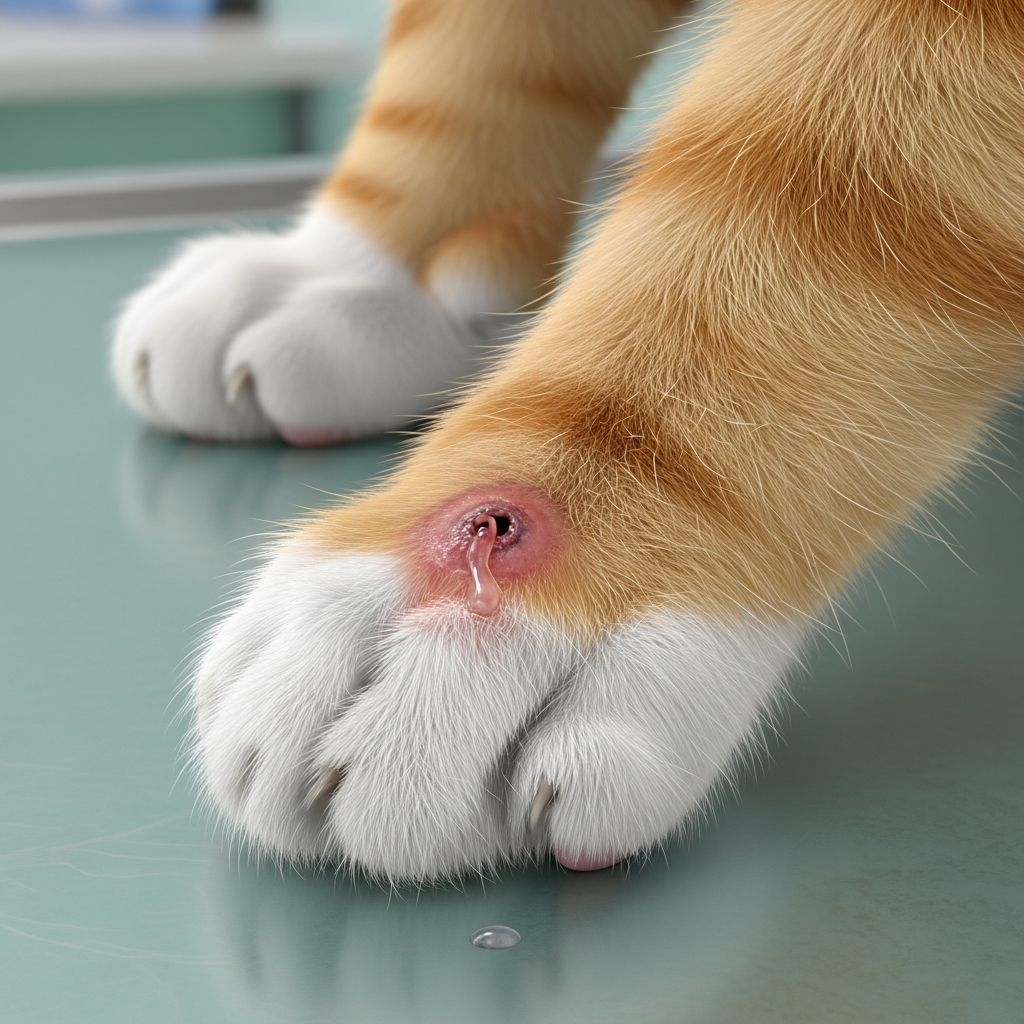
Cat bite abscesses represent one of the most frequent injuries in felines, often stemming from territorial disputes or play fights with other cats. These painful swellings form when bacteria from a bite penetrate deep into the tissue, leading to pus accumulation under the skin. Prompt recognition and intervention are crucial to avoid complications like systemic infection or chronic wounds. This guide explores the underlying mechanisms, clinical signs, diagnostic approaches, treatment protocols, recovery strategies, and proactive measures to safeguard your cat’s well-being.
Understanding the Formation of Feline Abscesses
At the heart of a cat bite abscess is a puncture wound typically inflicted during combative encounters. Cats possess sharp teeth that deliver bacteria-laden saliva deep beneath the skin surface. Unlike superficial scratches, these punctures seal rapidly due to the cat’s loose subcutaneous tissue, trapping pathogens and fostering an anaerobic environment ideal for bacterial proliferation.
The incubation period spans 2-4 days, during which infection multiplies unchecked. Common culprits include Pasteurella multocida and anaerobes like Fusobacterium, which thrive in low-oxygen pockets. The result is a encapsulated collection of pus, inflammatory cells, and necrotic debris, manifesting as a firm, fluctuant mass. Abscesses predominantly affect high-impact fight zones: base of the tail (40-50% of cases), limbs, head, and neck.
While fights are the primary trigger, scratches or even self-trauma can initiate similar processes. Unneutered males and outdoor roamers face elevated risks due to frequent skirmishes over territory or mates.
Recognizing Early Warning Signs
Subtle behavioral shifts often precede visible swelling. Monitor for these indicators post any suspected altercation:
- Lethargy and reduced activity: Cats may hide or sleep excessively as fever sets in.
- Appetite suppression: Refusal of food signals discomfort or systemic involvement.
- Tail droop or limping: Indicative of tail base or limb abscesses.
As the abscess matures, localized changes emerge:
- A soft, warm lump beneath the skin, progressing from firm to fluctuant.
- Redness, heat, and hair loss over the site.
- Pain responses: growling, swatting, or obsessive licking.
- Foul-smelling discharge if rupture occurs, often yellow-green pus mixed with blood.
A table summarizing symptom progression aids quick assessment:
| Stage | Timeline | Key Signs |
|---|---|---|
| Pre-abscess | Day 0-2 | Lethargy, fever, inappetence |
| Developing | Day 2-4 | Swelling, pain, warmth |
| Ruptured | Day 4+ | Open wound, discharge, possible improvement |
Early detection hinges on daily checks, especially for outdoor cats returning with unexplained scuffs.
Why Professional Veterinary Intervention is Essential
Home management risks worsening the infection. Vets employ a systematic approach: history review (recent fights?), physical exam, and fine-needle aspiration to confirm pus. Imaging like ultrasound may delineate deeper involvement.
Treatment escalates based on severity:
- Closed abscesses: Sedation/anesthesia for lancing, thorough flushing with saline or antiseptics, and debridement of debris. Drains prevent re-accumulation.
- Open wounds: Cleaning and assessment for foreign bodies (e.g., claws).
- Medications: Broad-spectrum antibiotics (e.g., amoxicillin-clavulanate) for 7-14 days, tailored via culture if resistant. Pain relief via NSAIDs like meloxicam, and anti-inflammatories.
Outpatient care suffices for most, but severe cases (facial, multiple sites) warrant hospitalization. Success rates exceed 90% with timely care.
Post-Treatment Care at Home
Recovery demands vigilance to foster granulation and epithelialization:
- Wound maintenance: Twice-daily saline soaks (1 tsp salt per 500ml boiled, cooled water) using cotton balls. Pat dry.
- Confinement: Indoor rest minimizes re-injury and fly exposure, preventing myiasis.
- E-collar: Essential to deter licking, which introduces saliva bacteria.
- Nutrition: High-protein, palatable food boosts immunity; hydration via wet diets.
- Warm compresses: 10-15 minutes twice daily pre-rupture to encourage drainage.
Monitor for red flags: worsening swelling, fresh discharge, or behavioral decline—prompt re-evaluation. Full healing spans 1-2 weeks.
Complications and When to Escalate
Untreated abscesses can burrow into muscle (pyomyositis), disseminate bacteria (septicemia), or fistulate chronically. Facial abscesses threaten eyes/orbit; cranial ones risk meningitis.
Seek emergency care if:
- High fever (>103°F), dehydration, or collapse.
- Abscess >5cm or involving joints/bones.
- No improvement 48 hours post-treatment.
Prevention: Breaking the Fight Cycle
Proactive steps slash recurrence:
Sterilization: Neutering/spaying curtails aggression by 80-90%.
Environmental controls: Supervised outdoor access, fencing, or indoor living. ID chips/microchips aid stray returns.
Health protocols: Core vaccines (rabies, FVRCP), flea control to avoid irritant fights, routine exams.
Neighborhood diplomacy: TNR feral colonies; discuss with neighbors.
FAQs on Cat Bite Abscesses
Q: Can I drain an abscess myself?
A: No—risks incomplete drainage, peritonitis, or sepsis. Vets use sterile tools.
Q: Are antibiotics always required?
A: Not if pus removal suffices, but often prescribed due to polymicrobial nature.
Q: How long until my cat acts normal?
A: 3-7 days with treatment; full vigor in 10-14.
Q: What if my indoor cat gets one?
A: Rare, but possible from littermate play or intruders.
Q: Cost of treatment?
A: $200-800 USD, varying by complexity.
Long-Term Implications for Feline Health
Recurrent abscesses signal territorial stress or immunity gaps—consider bloodwork for FIV/FeLV, common in fighters. Holistic management integrates behavior consults, pheromone diffusers, and multi-cat harmony training. Owners report fewer incidents post-neutering and confinement.
By attuning to subtle cues and prioritizing prevention, you empower your cat against this prevalent peril. Consult your vet at the first hint of trouble for tailored advice.
References
- Cat bite abscesses — PDSA. 2023. https://www.pdsa.org.uk/pet-help-and-advice/pet-health-hub/conditions/cat-bite-abscesses
- Cat Abscesses: Causes, Symptoms & How To Treat Them — UrgentVet. 2024. https://urgentvet.com/cat-abscess-causes-types-symptoms-treatment/
- Cat bite abscess in cats — Joii Pet Care. 2023. https://www.joiipetcare.com/blogs/health-conditions/cat-bite-abscess-in-cats
- Cat bites and abscesses — International Cat Care. 2022. https://icatcare.org/articles/cat-bites-and-abscesses
- All About Cat Bites & Abscesses — Zoetis Petcare. 2024. https://www.zoetispetcare.com/blog/article/about-cat-bite-abscess
- Cat Abscesses: What Are They, and How Do You Treat Them? — PetMD. 2023. https://www.petmd.com/cat/conditions/skin/cat-abscesses-what-are-they-and-how-do-you-treat-them
- Abscesses in Cats — VCA Animal Hospitals. 2024. https://vcahospitals.com/know-your-pet/abscesses-in-cats
Similar Articles








Read full bio of Sneha Tete




