

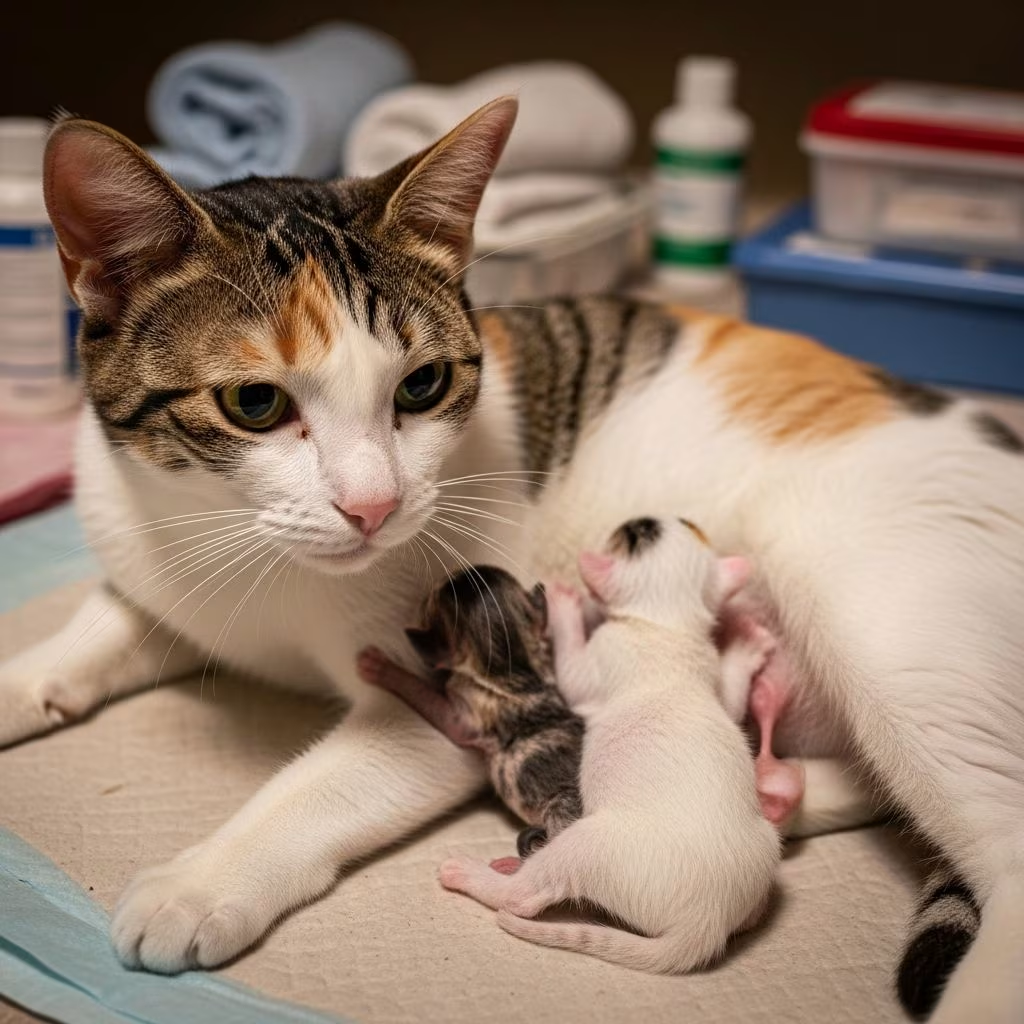
Bringing new kittens into the world should be a joyful event for cat owners, but complications during labor or shortly after can turn it into a crisis. Understanding these risks empowers owners to act swiftly, potentially saving lives. This guide details common feline birth problems, their indicators, interventions, and proactive measures.
Understanding Normal Feline Labor
Cat pregnancies typically last 63 to 65 days, culminating in labor divided into three stages: uterine contractions, kitten delivery, and placental expulsion. A healthy queen delivers kittens every 10 to 60 minutes, cleaning each one immediately. Interruptions or deviations signal trouble. Monitoring body temperature drops to below 99°F (37.2°C) 24 hours before labor helps anticipate events.
Primary Labor Challenges: Dystocia Explained
**Dystocia**, or difficult birth, tops the list of feline labor emergencies, threatening both mother and offspring. It arises when kittens cannot pass through the birth canal due to size, position, or maternal factors.
- Fetal Causes: Oversized kittens from large litters or malpositioning, like breech (tail-first) presentations, obstruct passage. Tail-first births risk drowning in amniotic fluid if delayed.
- Maternal Causes: Uterine inertia halts contractions; primary form lacks initial labor, secondary follows fatigue mid-process.
Symptoms include prolonged straining over 30 minutes without birth, visible kittens stuck in the canal, or green discharge sans kittens. Owners note restlessness, vocalizing, or collapse.
| Type | Symptoms | Treatment |
|---|---|---|
| Primary Uterine Inertia | No contractions, overdue pregnancy, pale gums | Emergency C-section |
| Secondary Uterine Inertia | Contractions stop mid-labor, fatigue | Oxytocin injection or C-section |
| Malpresentation | Contractions >60 min, stuck kitten visible | Manual extraction or surgery |
Immediate veterinary care is crucial; delays cause fetal death or maternal infection. Costs range from $150 for diagnostics to $4,000 for cesarean sections.
Rare but Deadly: Uterine Abnormalities
Uterine torsion twists the organ 45 degrees or more, cutting blood flow. Rarity belies its lethality, with symptoms like endless painful labor, lethargy, bleeding, and abdominal swelling. Surgery untwists and assesses viability; affected kittens rarely survive.
Uterine rupture, even scarcer, bursts the wall, spilling fetuses into the abdomen amid weak contractions and severe pain. Emergency surgery removes damaged tissue and fetuses. Both demand instant action to avert hemorrhage.
Post-Birth Uterine and Tissue Issues
After delivery, retained fetal membranes fester, causing restlessness, appetite loss, and brownish discharge. Queens neglect kittens, signaling infection.
**Metritis** inflames the uterus within days postpartum, marked by fever, kitten abandonment, vomiting, thirst, and foul dark discharge. IV fluids, antibiotics, and pain relief follow full exams.
Narrow pelvis from prior trauma exacerbates all issues, leading to constipation and lodged kittens.
Postpartum Metabolic Crisis: Eclampsia
**Eclampsia**, or milk fever, strikes 3-5 weeks post-birth when lactation depletes blood calcium. Large litters heighten risk; symptoms progress from panting and stiffness to tremors, seizures, and collapse.
- Early intervention with calcium supplements stabilizes; untreated cases prove fatal.
- Queens recover quickly but require calcium monitoring during nursing.
Mammary Gland Problems: Mastitis Risks
Mastitis infects glands, causing pain, swelling, heat, fever, and abnormal milk (bloody, thick, yellow). Affected queens reject kittens from sore teats and dehydrate. Antibiotics treat it urgently to prevent spread to kittens.
Recognizing When to Rush to the Vet
Act on these red flags:
- Straining >30 minutes without kitten.
- >4 hours between kittens.
- Gestation >70 days.
- Temperature >103°F (39.4°C), excessive bleeding, or depression.
Prepare a quiet whelping area with towels, heat source (avoid direct heat lamps), and emergency contacts. Track progress hourly.
Advanced Interventions and Prognosis
C-sections save lives in dystocia, with high success if timely. Post-op, queens bond with stabilized kittens under incubation. Incidence is low in non-pedigree cats but rises in breeds.
Prevention Strategies for Future Litters
Spaying before heat cycles eliminates risks entirely. For breeders, select healthy, appropriately sized parents; maintain nutrition with calcium-rich diets pre-birth. Avoid overfeeding to prevent oversized kittens.
FAQs
How long is normal between kitten births?
10-60 minutes; over 4 hours warrants concern.
Can I assist a stuck kitten?
Only gently if trained; otherwise, seek vet help to avoid injury.
What causes green discharge without kittens?
Uterine issues; indicates placental separation needing intervention.
Is eclampsia preventable?
Large litters increase risk; supplement calcium under vet guidance.
Post-C-section care tips?
Monitor incision, ensure warmth, hand-feed if needed, watch for infection.
Long-Term Health After Complications
Surviving queens may face fertility issues or scarring; regular check-ups advised. Kittens from emergencies need weight monitoring and fostering if mom recovers slowly. Nutrition supports recovery: high-protein, hydrated diets.
References
- 6 Complications to Look Out For After Your Cat Gives Birth — FirstVet. 2023. https://firstvet.com/us/articles/6-complications-to-look-out-for-after-your-cat-gives-birth
- Cat Pregnancy Complications: Key Issues in Pregnancy, Birth, and Nursing — MediAnimal. 2024. https://medicanimal.com/blogs/pet-advice/cat-pregnancy-complications-key-issues-in-pregnancy-birth-and-nursing
- 5 Common Labor Complications in Cats — WagWalking. 2023. https://wagwalking.com/wellness/5-common-labor-complications-in-cats
- What to Expect When Your Expecting Pet Has Pregnancy Complications — Animal Emergency Care. 2022. https://animalemergencycare.net/aecprevents/what-to-expect-when-your-expecting-pet-has-pregnancy-complications/
- Dystocia: Preventing Birth-Related Emergencies in Cats — Dakin Humane Society. 2023. https://www.dakinhumane.org/blog-full/dystocia-preventing-birth-related-emergencies-in-cats
- Feline breeding and pregnancy management: What is normal … — PMC (NCBI). 2022-05-01. https://pmc.ncbi.nlm.nih.gov/articles/PMC9099157/



