

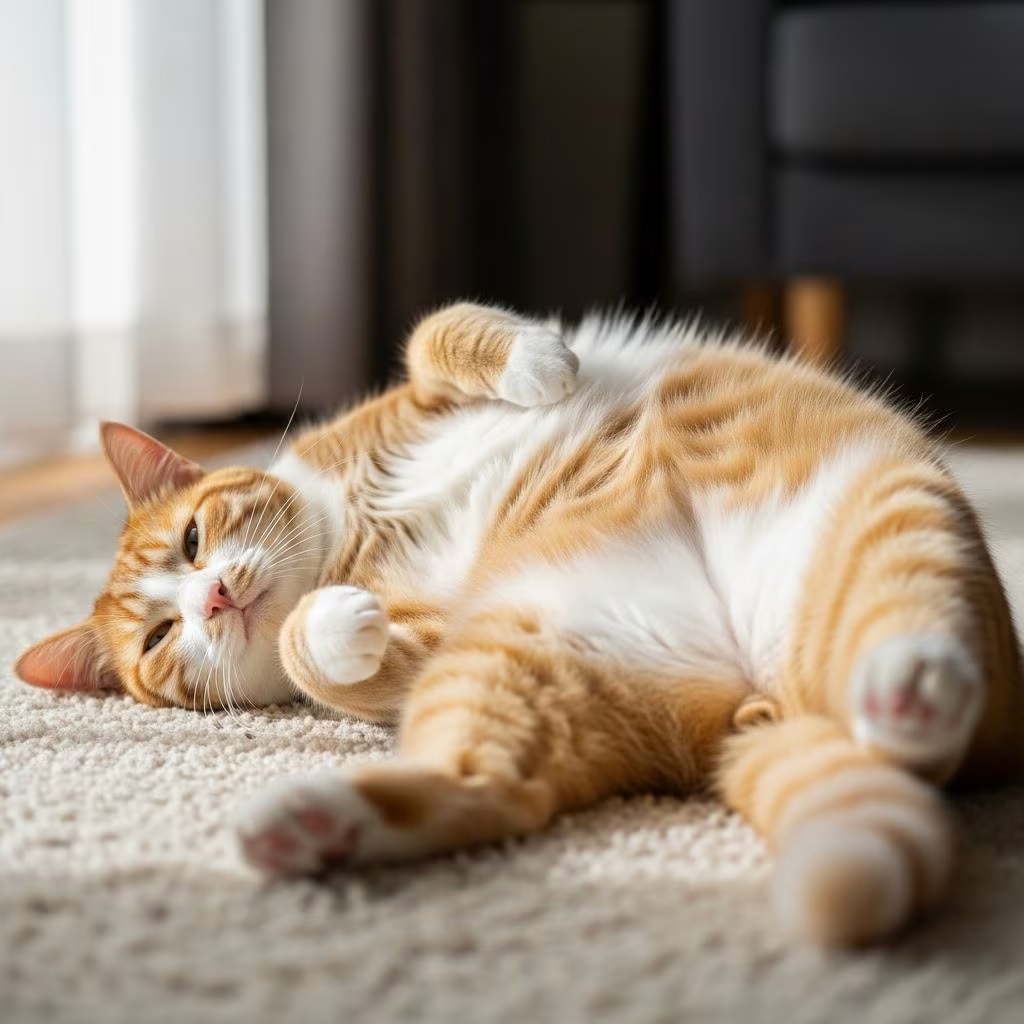
The loose flap of skin and fat hanging from many cats’ bellies, often called a primordial pouch or belly flap, is a common and typically harmless feature of feline anatomy. Present in cats of all sizes and breeds, it sways during movement and serves natural purposes rather than indicating poor health.
The Anatomy of a Feline Belly Pouch
This distinctive structure consists of excess skin, fat deposits, and connective tissue located along the lower abdomen, most noticeable toward the rear between the hind legs. Unlike uniform body fat, it forms a separate, mobile layer not tightly adhered to the abdominal wall, allowing it to swing freely as the cat walks or runs.
Cats inherit this trait from their wild ancestors, where it provided adaptive advantages. Even slender domestic cats display it, confirming its role beyond mere fat storage.
Evolutionary Roles and Benefits
The pouch evolved for multiple survival functions in feral cats. Primarily, it acts as an energy reserve, storing fat accessible during food scarcity to sustain the cat without compromising vital muscle mass.
Additionally, it offers protective padding for the vulnerable underbelly, shielding intestines and other organs from injuries during territorial fights or rough play. The flexible skin allows full leg extension for powerful kicks, a key hunting and defense maneuver, without restriction.
- Energy storage: Fat reserves for lean times.
- Organ protection: Cushions against trauma.
- Mobility aid: Enables flexible hind leg kicks.
These benefits persist in pets, though less critical due to reliable feeding.
Recognizing Normal vs. Problematic Belly Size
Not all abdominal bulges signal the pouch; distinguishing it from obesity or illness is crucial. Over 60% of cats face overweight issues, masking true pouch presence.
| Healthy Pouch Indicators | Obesity Signs |
|---|---|
| Sways loosely, feels like a distinct strip | Firm, uniform fat covering ribs and belly |
| Ribs palpable under thin fat layer | No waist visible from above; ribs buried |
| Hangs low only at rear, moves independently | Entire abdomen rounded and distended |
| Present even in lean cats | Accompanied by lethargy, grooming issues |
To assess, run hands along the sides: healthy cats have a subtle waist and discernible ribs without excess padding. Observe from above for an hourglass shape and from side for abdominal tuck-up[10]. The pouch feels softer and more localized than widespread fat.
Health Risks Tied to Feline Overweight
Excess weight beyond a normal pouch elevates serious conditions. Fat-released hormones spark inflammation, raising diabetes, heart disease, arthritis, urinary issues, liver lipidosis, and cancer risks.
Symptoms include climbing struggles, unkempt fur, tighter collars, and reduced activity. Severely obese cats show barely detectable bones under thick layers, impacting lifespan and comfort.
Age and Breed Influences on Pouch Prominence
Older cats often exhibit more pronounced flaps due to skin elasticity loss and metabolic slowdown, mimicking human aging effects. Senior diets may help maintain weight.
Certain breeds like Egyptians Mau and Savannahs display larger pouches genetically, while others show subtler versions. All healthy weights can have them.
When to Consult a Veterinarian
Monitor for red flags: sudden pouch enlargement, lumps, sores from dragging (rare), or breathing difficulties from distension. Lumps may indicate infections, abscesses, or tumors needing prompt exam—early detection improves outcomes.
Other concerns include persistent bloating from fluid, organ enlargement, or parasites, distinct from gradual weight gain. Vets use body condition scoring for precise evaluation, avoiding misguided dieting.
Promoting Ideal Feline Weight
Maintain health through portion-controlled feeding, high-protein low-carb foods, and interactive play mimicking hunt. Puzzle feeders and laser toys boost activity without overeating.
Aim for gradual loss if needed: 1-2% body weight weekly under vet guidance to prevent hepatic lipidosis. Regular weigh-ins track progress.
- Measure food precisely; avoid free-feeding.
- Incorporate vertical spaces and toys for exercise.
- Schedule bi-annual vet checks for seniors.
Common Myths About Cat Belly Flaps
Myth: All belly flaps mean fat cats. Reality: Lean cats have them too.
Myth: Pouch size dictates diet needs. Reality: Use full body assessment.
Myth: It’s only cosmetic. Reality: Evolutionary asset.
FAQs
Do all cats have a primordial pouch?
Most do, varying by individual and breed, even if subtle.
Is a large pouch dangerous?
Not usually, unless dragging causes injury—vet check advised.
How to check if my cat is overweight?
Feel ribs (should be easy), view waist from above, monitor activity[10].
Can spaying affect the pouch?
Hormonal shifts may slightly enlarge it, but not excessively.
What if I see a lump in the flap?
Seek vet immediately for infection or mass evaluation.
Understanding the primordial pouch empowers owners to focus on true health markers, ensuring cats thrive without unnecessary worry.
References
- Why Do Cats Have a Pouch? — Healthy Paws Pet Insurance. 2023-05-15. https://www.healthypawspetinsurance.com/blog/cat-care/cats-abdominal-pouch.html
- Cat Primordial Pouch: What Is It — Rover.com. 2024-02-10. https://www.rover.com/blog/cat-primordial-pouch/
- Are Abdominal Fat Pads on Cats Normal? — Catster. 2024-08-20. https://www.catster.com/ask-the-vet/abdominal-fat-pads-on-cats/
- Bloating (Abdominal Distension) in Cats — Vetster. 2023-11-05. https://vetster.com/en/symptoms/cat/bloating-abdominal-distension
- What Is a Cat’s Primordial Pouch? — Hill’s Pet Nutrition. 2024-01-12. https://www.hillspet.com/cat-care/behavior-appearance/primordial-pouch-in-cats
- Obesity in Cats: Signs, Causes, and Treatment — PetMD. 2024-06-18. https://www.petmd.com/cat/conditions/digestive/c_ct_obesity



