

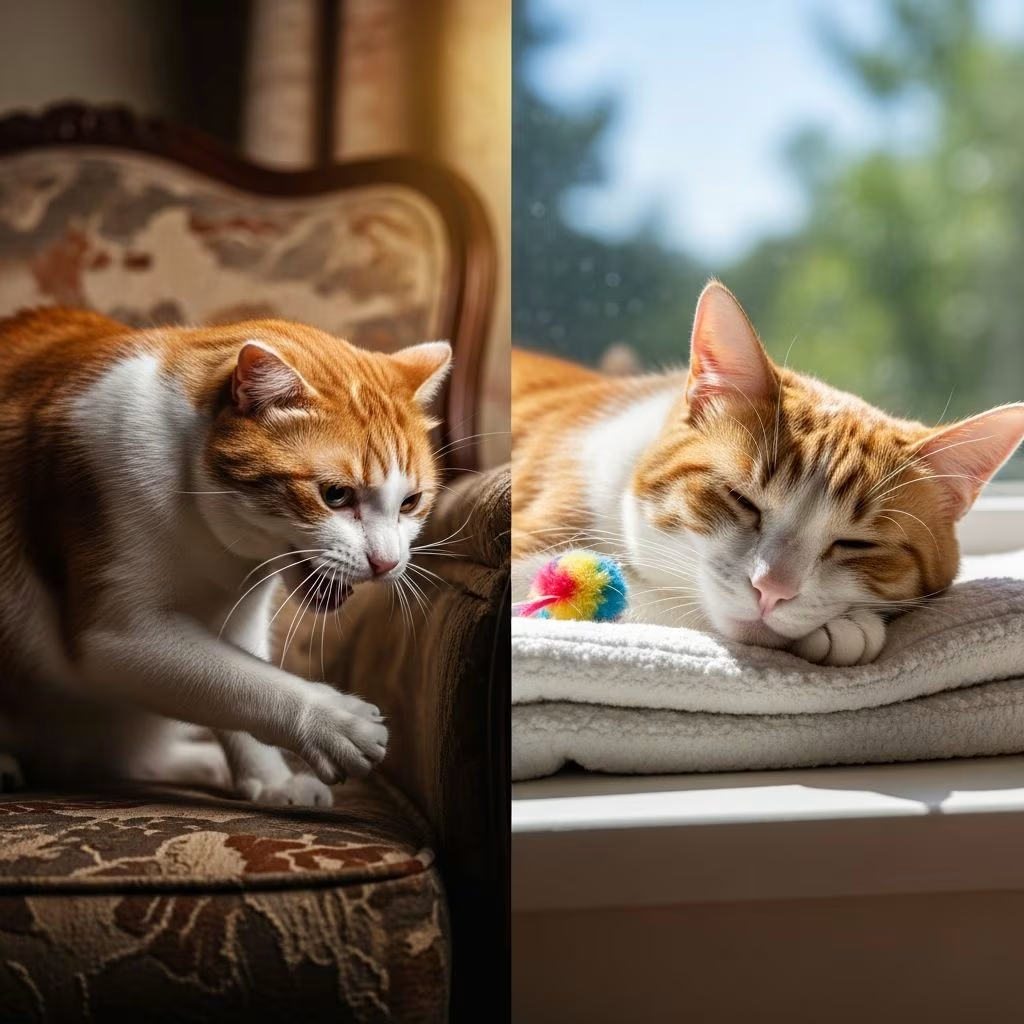
Sudden alterations in a cat’s demeanor can alarm owners, often pointing to underlying health problems or environmental stressors. Recognizing these shifts early allows for timely intervention, potentially averting serious complications.
Recognizing Key Indicators of Trouble
Observant cat guardians notice deviations from normal routines quickly. Common red flags include uncharacteristic aggression, excessive vocalization, or withdrawal from family interactions. These signals demand attention because they frequently link to pain, illness, or anxiety.
- Aggression spikes: Hissing, swatting, or biting without provocation often stems from discomfort or fear.
- Hiding or isolation: Cats retreating to secluded spots may be coping with stress or injury.
- Appetite fluctuations: Sudden overeating or refusal of food can indicate metabolic disorders.
- Litter box avoidance: This habit change frequently signals urinary tract issues or stress.
- Excessive grooming: Over-licking points to skin irritations, allergies, or psychological distress.
Tracking these patterns in a journal helps veterinarians pinpoint causes accurately during consultations.
Medical Triggers Behind Behavioral Upsets
Many abrupt changes trace back to physical ailments. Cats mask pain adeptly, so behavioral cues become vital diagnostic tools. Conditions like hyperthyroidism ramp up metabolism, leading to restlessness and irritability.
| Condition | Behavioral Signs | Common Symptoms |
|---|---|---|
| Hyperthyroidism | Increased aggression, vocalizing | Weight loss despite ravenous hunger, thirst |
| Arthritis or injury | Reluctance to jump, irritability on touch | Limping, changed sleeping spots |
| Neurological disorders | Disorientation, pacing | Seizures, head pressing |
| Dental disease | Avoiding hard food, drooling | Bad breath, pawing at mouth |
| Urinary issues | Litter avoidance, straining | Frequent small urinations, blood in urine |
Hypertension and diabetes also provoke irritability and altered thirst patterns. Brain-related problems, including tumors or infections, can drastically shift personalities. Prompt veterinary exams, including bloodwork and imaging, are essential to identify these issues.
Environmental and Emotional Contributors
Not all changes are medical; household dynamics play a significant role. Cats thrive on predictability, and disruptions provoke defensive responses.
- New household members: Babies, pets, or guests unsettle territorial instincts, sparking marking or fights.
- Routine disruptions: Moves, renovations, or owner absences trigger anxiety, manifesting as destructiveness or vocal complaints.
- Sensory overload: Fireworks, vacuums, or thunderstorms induce fear-based aggression or hiding.
- Resource competition: Insufficient litter boxes, food stations, or perches in multi-cat homes breed tension.
Aging exacerbates sensitivities; senior cats may develop cognitive dysfunction, mimicking dementia with night waking or confusion.
Age-Specific Behavioral Concerns
Kittens and adults differ from seniors in change tolerance. Young cats might react playfully to stressors, while elders show frailty.
In older felines, cognitive decline alters sleep cycles, increases wandering, and reduces social engagement. Pain from osteoarthritis limits mobility, fostering grumpiness. Hormonal shifts in unspayed cats can intensify during heat cycles, but sudden onset usually flags illness over reproduction.
Immediate Response Strategies
Upon noticing shifts, isolate the cat safely to prevent injuries while arranging a vet visit. Note onset timing, triggers, and concurrent symptoms for the exam.
- Schedule a full physical, blood panel, and urinalysis to exclude diseases.
- Discuss behavioral history; vets may refer to specialists for complex cases.
- Implement pheromone diffusers or calming supplements post-diagnosis.
Environmental tweaks yield quick wins: Add vertical spaces, pheromone products, and separate resources per cat guideline (n+1 rule for litter boxes).
Long-Term Management Techniques
Sustained harmony requires holistic approaches. Enrich environments with interactive toys, window perches, and puzzle feeders to combat boredom.
- Play therapy: Daily sessions mimic hunting, reducing stress hormones.
- Diet adjustments: Prescription foods address conditions like hyperthyroidism or IBD.
- Medication if needed: Anti-anxiety drugs or pain relievers restore baseline behaviors.
- Training basics: Positive reinforcement desensitizes to triggers like strangers.
Monitor progress weekly; persistent issues warrant follow-ups. Spaying/neutering prevents hormone-driven problems in intact cats.
Preventive Measures for Feline Well-Being
Proactive care minimizes risks. Annual senior wellness checks catch issues early. Maintain stable routines and introduce changes gradually.
- Provide ample hiding spots and escape routes.
- Use litter types cats prefer to avoid box conflicts.
- Regular flea preventives curb itching-induced grooming.
Weight monitoring via home scales detects subtle losses signaling illness.
Frequently Asked Questions
Why has my calm cat turned aggressive overnight?
Pain, hyperthyroidism, or fear from changes are prime culprits. Vet evaluation rules out medical roots.
Is litter box avoidance just spite?
Rarely; infections, crystals, or stress dominate. Clean daily and consult vets promptly.
Can stress alone cause weight loss?
Yes, but pair with vet checks for diabetes or hyperthyroidism mimics.
How long before behaviors normalize post-treatment?
Weeks for mild cases, months for chronic; consistency accelerates recovery.
Should I punish bad behavior?
No—punishment heightens fear. Focus on positives and root causes.
Diagnostic Roadmap Table
| Sign Observed | First Action | Potential Tests |
|---|---|---|
| Aggression | Vet exam | Bloodwork, thyroid panel |
| Hiding | Observe triggers | Physical, neuro eval |
| Appetite change | Track intake | Urinalysis, glucose |
| Overgrooming | Skin check | Flea comb, allergy tests |
This roadmap streamlines triage, ensuring efficient care paths.
References
- Sudden Cat Aggression: Causes and Solutions — Brown Veterinary Hospital. 2023-10-15. https://brownvethospital.com/blog/why-is-my-cat-being-aggressive-all-of-a-sudden/
- Sudden Behavioral Changes in Pets: When Should You Be Concerned? — TCAH. 2024-05-22. https://tcah.info/sudden-behavioral-changes-in-pets-when-should-you-be-concerned/
- Understanding Cat Behavior: When to Consult Your Vet About Behavioral Changes — PCVH. 2023-11-08. https://pcvh.vet/when-to-consult-your-vet-about-behavioral-changes/
- 9 Cat Behavior Changes To Worry About — Cats.com. 2025-02-14. https://cats.com/cat-behaviors-to-worry-about
- Understanding Cat Behavior: When Does it Become an Emergency? — Vets of the Rockies. 2024-07-30. https://vetsoftherockies.com/education/understanding-cat-behavior/
- Understanding Your Cat’s Behaviour — RSPCA. 2025-01-10. https://www.rspca.org.uk/adviceandwelfare/pets/cats/behaviour



