

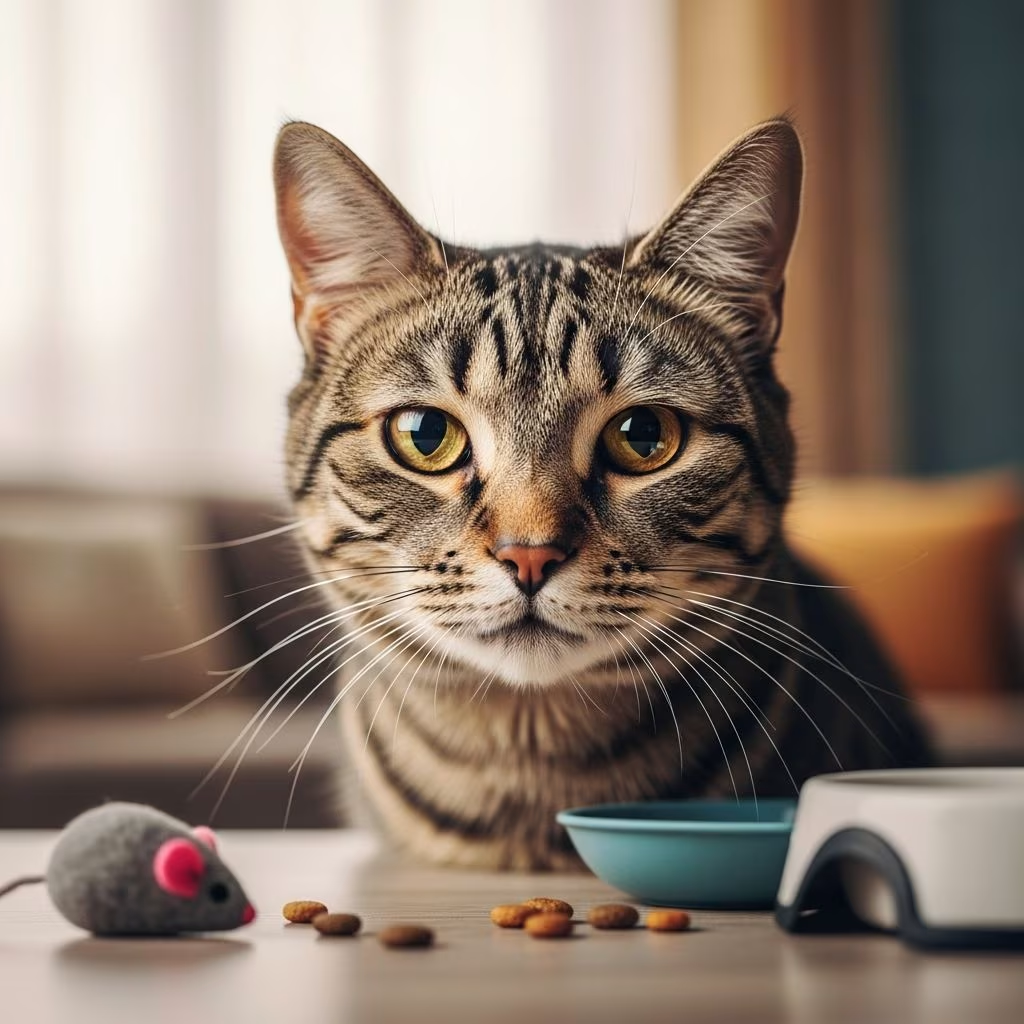
Understanding Cat Behavior Problems: A Comprehensive Guide
Cat behavior problems are among the most common challenges pet owners face when living with feline companions. From destructive scratching to inappropriate elimination, these issues can create tension in your household and negatively impact your relationship with your cat. Understanding the root causes of these behaviors and implementing appropriate solutions is essential for creating a harmonious living environment for both you and your pet.
Cat behavior problems rarely develop overnight. Instead, they typically emerge from unmet needs, stress, medical issues, or insufficient environmental enrichment. Early intervention is crucial when addressing behavioral concerns. The sooner you identify and address the problem, the easier it becomes to correct it. Younger cats are generally more adaptable to training and behavior modification, but cats of all ages can improve their behavior with patience, consistency, and the right approach.
Common Cat Behavior Problems Explained
Before implementing solutions, it’s important to recognize the most prevalent behavior problems affecting cats in household settings.
Destructive Scratching
Scratching is a completely natural and necessary behavior for cats. However, when cats scratch furniture, carpets, or other household items instead of appropriate scratching posts, it becomes problematic. Cats scratch to mark territory, maintain claw health, stretch muscles, and express emotions. Understanding your cat’s scratching preferences is the first step toward solving this issue.
To address destructive scratching, observe whether your cat prefers vertical or horizontal scratching surfaces, the height at which they scratch, the substrate (texture) they prefer, and the location where scratching occurs. Once you understand these preferences, you can provide appropriate scratching objects that match your cat’s natural inclinations.
Litter Box Avoidance and Inappropriate Elimination
Inappropriate elimination outside the litter box is a frustrating problem that often signals underlying issues—either medical or behavioral. Before addressing this as a behavior problem, always consult your veterinarian to rule out urinary tract infections, kidney disease, or other health conditions.
Litter box management is critical for preventing this problem. Experts recommend providing one litter box per cat, plus one additional box. In multi-cat households, distribute boxes across different floors to prevent dominant cats from guarding resources. Cats prefer boxes that are approximately 1.5 times their body length, filled with unscented clumping litter that approximates natural sand. Daily scooping and monthly deep cleaning are essential for maintaining acceptable litter box hygiene.
Location matters significantly—boxes should be placed in quiet areas with low human traffic to give cats privacy and security while using them.
Excessive Meowing and Vocalization
Sudden increases in vocalization warrant a veterinary visit to rule out medical issues. If your cat is healthy but excessively vocal, they likely desire attention and interaction with you. Rather than responding to every meow, redirect this energy toward appropriate activities. Engage your cat in active play sessions with toy lures for five minutes every couple of hours. Following playtime, offer a small amount of wet food, which naturally leads to grooming and subsequent sleep, providing you with peaceful quiet time.
Early Morning Wake-Up Calls
Cats that wake you early in the morning are often motivated by hunger rather than affection. To break this association between waking and feeding time, schedule your cat’s first meal at least an hour after you wake up and their last meal just before bedtime. Gradually train your cat by setting an alarm a few minutes before their usual wake-up time and offering food when it sounds. Every couple of days, set the alarm slightly later until it reaches your desired wake-up time. Your cat will eventually learn that the alarm predicts food, not your conscious state.
Nighttime Hyperactivity and the “Zoomies”
Cats experience periods of alertness throughout the night, just as they nap intermittently during the day. If your cat seems to flip a switch at midnight and engage in wild activity, you’re witnessing natural feline behavior. This nighttime activity intensifies when cats sleep excessively during the day while you’re at work. Increasing daytime play and mental stimulation can help exhaust your cat before bedtime, reducing nighttime disruptions.
Behavior Modification Techniques for Lasting Results
Behavior modification requires time, commitment, and consistency. No quick fixes or “magic pills” exist for cat behavior problems. Instead, success comes through employing evidence-based behavior modification techniques aimed at achieving and rewarding improved behavior.
Desensitization
Desensitization is a technique for gradually teaching a cat to tolerate challenging situations through careful, step-by-step exposure. For example, if your cat fears another cat in the household, you can arrange gradual, controlled exposure. Begin by placing the unfamiliar cat in a carrier at the far side of the room for just one to two minutes. Progressively move the carrier closer and extend the duration, but only if the fearful cat remains calm and relaxed. This slow approach prevents triggering anxiety and allows your cat to adjust at their own pace.
Counterconditioning
Counterconditioning teaches cats to replace unwanted behaviors with more favorable ones through positive association. In the example of the fearful cat, first teach the cat to sit and relax in exchange for treats before gradual exposure to the fear-inducing stimulus. The cat must remain completely calm, displaying relaxation through its eyes, body posture, and facial expressions. Rushing this process provokes anxiety and undermines progress. Consistency and frequent repetition are essential for reducing unwanted behavior to acceptable levels.
Habituation and Extinction
Habituation involves repeatedly exposing your cat to a stimulus until they no longer react to it. Extinction, meanwhile, involves removing rewards that reinforce unwanted behavior. Both techniques require patience and consistent application over extended periods.
Response Substitution and Shaping
Response substitution involves teaching your cat to perform an alternative behavior instead of the problematic one. Shaping refers to gradually reinforcing behaviors that approximate the desired end goal, rewarding small incremental improvements until the desired behavior is achieved.
Environmental Modifications and At-Home Strategies
Beyond behavior modification techniques, environmental changes play a crucial role in addressing cat behavior problems. Creating a supportive home environment reduces triggers for unwanted behavior and supports your cat’s natural needs.
Scratching Solutions
Once you’ve identified your cat’s scratching preferences, provide appropriate scratching posts or mats that match those preferences. Place these objects in locations where your cat currently scratches. Block access to undesirable scratching surfaces when possible. Apply positive reinforcement by offering treats and praise when your cat uses the appropriate scratching object.
Consider applying commercially available artificial pheromones—the scent cats naturally release during scratching—to the desired scratching objects to increase their appeal. You might also use deterrent sprays on furniture you want to protect, or consider nail caps and regular nail trims to minimize damage from scratching.
Climbing and Vertical Enrichment
Cats need appropriate places to climb for exercise, security, and territory establishment. Provide commercial shelves, cat trees, hammocks, or elevated walkways throughout your home. Make these spaces more appealing by adding soft substrates and fleece bedding. Offer positive reinforcement when your cat climbs and interacts with appropriate objects. Block access to undesirable climbing surfaces when possible.
Play and Mental Stimulation
Many behavior problems stem from play deprivation and inadequate mental stimulation. Regular, interactive play sessions with toys, lures, and enrichment activities keep cats mentally engaged and physically exercised. Schedule multiple play sessions throughout the day, particularly before bedtime, to reduce nighttime activity disruptions. Food puzzles and interactive toys provide mental stimulation and keep your cat’s mouth and mind busy, reducing destructive behaviors like inappropriate chewing.
Reducing Attention-Seeking Behavior
The most effective way to discourage attention-seeking behaviors is to ignore them whenever possible and humane. Simultaneously, help your cat replace undesirable behavior with something more appropriate. If your cat chews on television cords while you’re watching, provide an alternative chew toy or food puzzle before the behavior begins. Teaching your cat foundation behaviors—such as “Sit,” “Down,” “Target,” and “Go to a Mat”—allows you to cue your cat to appropriate locations and provide positive reinforcement for staying in desired places.
Managing Multi-Cat Households
Introducing new cats to established cats requires careful planning and gradual acclimation. Begin by presenting the established cat with scents from the new cat through towels or blankets. Allow under-the-door play to promote positive interactions without direct contact. Place baby gates at doors as visual barriers between cats during early introduction phases.
Positive reinforcement is essential during multi-cat introductions. Use food rewards to encourage the established cat to interact with the new cat’s scent. Reward cats when they look at each other through baby gates without displaying aggression. This gradual conditioning approach helps establish peaceful coexistence before direct contact occurs.
When to Seek Professional Help
While many behavior problems can be addressed through home strategies, some situations require professional intervention. Consult a veterinary behaviorist or certified animal behavior consultant if:
Behavior problems persist despite consistent implementation of modification techniques, aggression between cats escalates, your cat displays signs of pica (eating non-food items) or other concerning behaviors, or your cat’s behavior suddenly changes dramatically without apparent cause. A professional can evaluate your specific situation, identify underlying causes, and develop a tailored management plan addressing your cat’s unique needs.
The Role of Medication and Supplements
In some cases, medication or supplements may be indicated alongside behavior modification techniques. Anti-anxiety medications can help reduce fear-based behaviors, while certain supplements support emotional balance. However, medication should never replace behavior modification—instead, it works alongside training to create optimal conditions for change. Your veterinarian can determine whether medication is appropriate for your cat’s specific situation.
Addressing Pica and Unusual Eating Behaviors
Pica—the consumption of non-food items—is concerning and requires professional evaluation. First, make desirable household items less appealing by applying bitter apple or eucalyptus oil to surfaces. Provide a low-stress environment with appropriate mental and physical stimulation, as pica often emerges in confined spaces with insufficient enrichment. Remove chew-worthy items from your cat’s environment and consider increasing dietary fiber. If the problem persists, consult a behavioral specialist experienced with pica to rule out underlying medical or psychological causes.
Key Principles for Success
Successfully addressing cat behavior problems requires understanding several fundamental principles:
Patience and Consistency: Behavior modification is a gradual process requiring consistent application of techniques over extended periods. Quick results are unrealistic—plan for weeks or months of dedicated effort.
Positive Reinforcement: Reward improved behavior with treats, praise, or play. Positive associations encourage cats to repeat desired behaviors.
Environmental Control: Manage your cat’s environment to prevent triggering unwanted behavior while simultaneously making desired behaviors easier and more rewarding.
Veterinary Consultation: Always consult your veterinarian before implementing behavior modification to rule out medical causes of behavioral changes.
Early Intervention: Address behavior problems promptly. Earlier intervention makes correction easier, particularly with younger, more adaptable cats.
Frequently Asked Questions
Q: How long does it take to fix cat behavior problems?
A: Behavior modification is a gradual process without quick fixes. Timeline varies depending on the problem, your cat’s age, and your consistency. Expect several weeks to several months of dedicated effort before seeing significant improvement.
Q: Should I punish my cat for bad behavior?
A: Punishment is generally ineffective and often counterproductive. Proper punishment requires precise timing, consistency, appropriate intensity, and immediate reward after the behavior ends—elements most people fail to execute correctly. Positive reinforcement is more effective and creates better long-term results.
Q: Can adult cats be trained, or is early training essential?
A: While younger cats are more adaptable to training, cats of all ages can improve their behavior with appropriate techniques and patience. The process may take longer with adult cats, but success is definitely achievable.
Q: How many litter boxes do I need in a multi-cat household?
A: The general rule is one box per cat, plus one additional box. In multi-cat households, distribute boxes across different floors and locations to prevent dominant cats from guarding bathroom access.
Q: When should I consult a veterinary behaviorist?
A: Consult a professional if behavior problems persist despite consistent home intervention, if aggression escalates, if your cat shows signs of pica, or if behavior suddenly changes dramatically without apparent cause. Early professional consultation can prevent problems from worsening.
Q: Are there natural ways to calm an anxious cat?
A: Yes. Create a low-stress environment with appropriate enrichment, provide hiding spaces and vertical territories, use artificial pheromone products designed for cats, and implement behavior modification techniques like desensitization and counterconditioning. Your veterinarian can also discuss supplement options.
References
- Treatment of Behavior Problems in Cats — Merck Veterinary Manual. 2024. https://www.merckvetmanual.com/cat-owners/behavior-of-cats/treatment-of-behavior-problems-in-cats
- Addressing Feline Behavioral Issues — Today’s Veterinary Nurse. 2024. https://todaysveterinarynurse.com/behavior/addressing-feline-behavioral-issues/
- Recognizing and Correcting Cat Behavior Issues — Love Veterinary. 2024. https://love.vet/cat-behavior-recognizing-and-correcting-cat-behavior-issues/
- 9 Common Cat Behavior Problems (and How to Fix Them) — PetMD. 2024. https://www.petmd.com/cat/slideshows/9-common-cat-behavior-problems-and-how-fix-them
- A Beginners Guide to Cat Behavior — Tuft & Paw. 2024. https://www.tuftandpaw.com/blogs/cat-guides/beginners-cat-behavior-guide



