

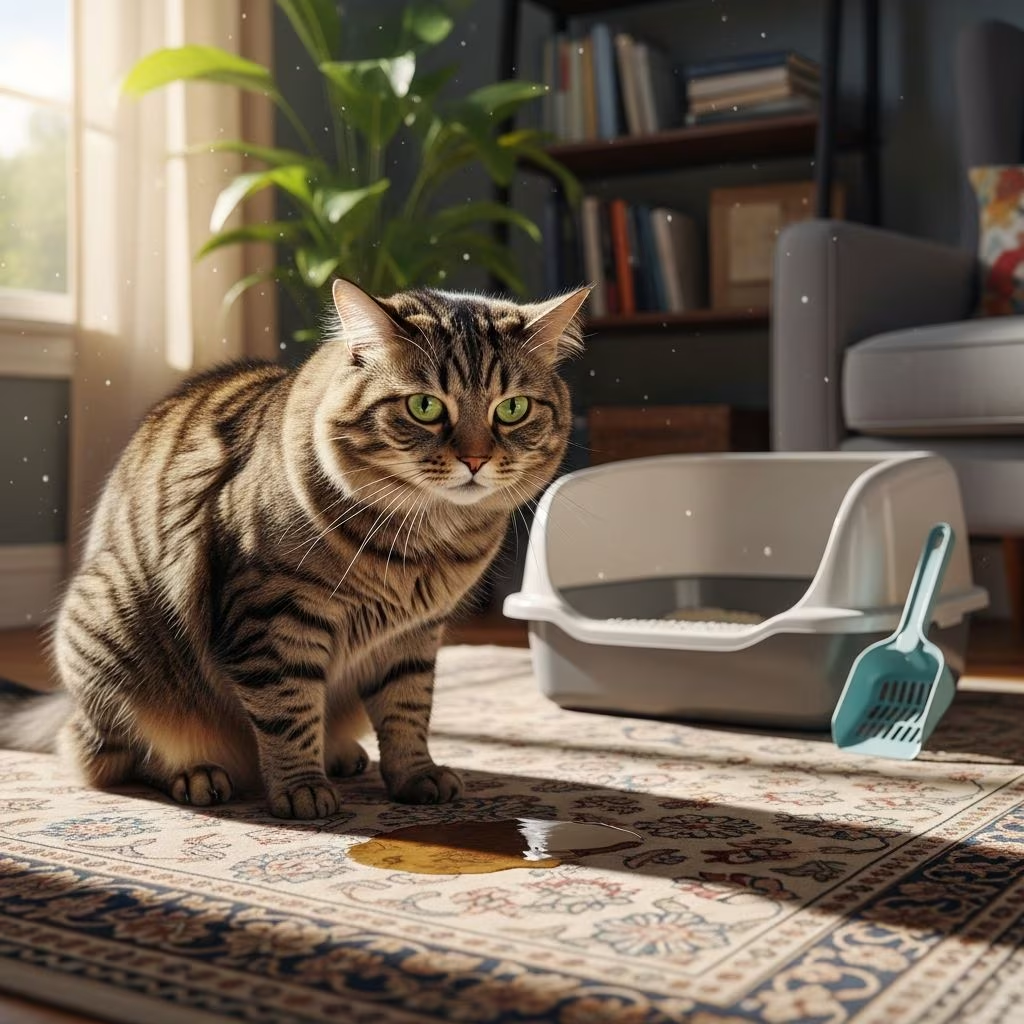
Understanding Cat House Soiling: A Comprehensive Guide
House soiling is one of the most frustrating behavioral problems cat owners face, and it remains a leading reason cats are relinquished to shelters. When a cat eliminates outside the litter box, it signals that something is amiss—whether medical, environmental, or behavioral. Understanding the underlying causes is essential for effectively resolving this issue. Unlike marking or spraying behavior, which is primarily territorial communication, house soiling refers to inappropriate defecation or urination in locations other than the litter box.
Distinguishing Between House Soiling and Marking Behavior
Before addressing solutions, it’s crucial to determine whether your cat is house soiling or engaging in marking behavior. House soiling typically involves larger volumes of urine or feces deposited in specific locations, often on horizontal surfaces like floors or carpets. The cat may or may not have an aversion to the litter box. In contrast, marking behavior involves smaller amounts of urine sprayed on vertical surfaces as a territorial communication method. Identifying which behavior your cat is exhibiting will guide your treatment approach and help your veterinarian develop an appropriate intervention plan.
Medical Causes of House Soiling
Before attributing house soiling to behavioral factors, a thorough medical evaluation is imperative. Many cats that begin soiling outside the litter box have underlying health conditions that require treatment. Your veterinarian will conduct a complete physical examination and urinalysis to identify or rule out medical problems.
Common Medical Conditions Contributing to House Soiling
Several medical issues can cause or contribute to inappropriate elimination:
| Medical Condition | How It Affects Elimination |
|---|---|
| Urinary tract infections | Increased urgency and frequency; painful urination |
| Feline idiopathic cystitis | Bladder inflammation causing urgency and pain |
| Diabetes | Increased urine production |
| Hyperthyroidism | Increased metabolism and elimination frequency |
| Kidney disease | Inability to concentrate urine; increased volume |
| Arthritis or joint pain | Difficulty accessing or getting in/out of litter box |
| Inflammatory bowel disease | Diarrhea and urgent bowel movements |
| Cognitive dysfunction | Confusion and loss of litter box training |
Additionally, cats that have undergone declaw surgery may experience chronic pain that makes them reluctant to use the litter box due to discomfort when digging or stepping in the litter.
Behavioral and Environmental Causes
When medical issues have been ruled out or treated, behavioral and environmental factors often maintain the house-soiling behavior. Understanding these factors is essential for implementing effective solutions.
Litter Box Aversion
Cats may develop an aversion to their litter box or its location due to a negative experience, such as being cornered by another pet, being startled while using the box, or encountering a painful medical episode while eliminating. Once a cat associates the litter box with a negative experience, it may deliberately avoid that location. The cat may prefer specific substrates or locations instead, leading to consistent elimination in inappropriate areas.
Environmental and Social Factors
Cats are naturally clean animals and require adequate, unsoiled locations for elimination. In multi-cat households, the dynamics between cats significantly influence litter box use. A dominant cat may guard the litter box area, preventing subordinate cats from accessing it safely. Litter boxes placed in high-traffic areas, near cat doors, or in locations where a cat could be cornered may be avoided. Cats typically prefer quiet, private spaces for elimination and may seek alternative locations if the litter box is positioned in a busy or exposed area.
Substrate and Location Preferences
Some cats develop preferences for specific elimination surfaces or locations independent of aversion. A cat may prefer the feel of carpet, tile, plants, or sand to commercial litter. Location preferences are evidenced by consistent elimination in the same spot, while substrate preferences are indicated by elimination on specific surface types. Identifying these preferences through careful observation is crucial for developing an effective treatment plan.
Stress and Anxiety
Generalized stress can significantly impact a cat’s litter box habits. Household changes such as moving, adding new pets, guests, construction, or poor inter-pet relationships can trigger house soiling. Competition for resources, including access to food, water, or resting areas, may also contribute to the problem. Cats with inadequate environmental enrichment or unmet basic needs may develop stress-related elimination problems.
Diagnosing the Cause of House Soiling
Determining why your cat is house soiling requires a systematic approach combining veterinary assessment and careful observation.
Initial Steps
Begin by reviewing the basics of litter box training with your veterinarian. Record when the soiling began and whether any changes occurred around that time—changes to litter type, litter box location, household composition, or routine. If a recent change coincided with the problem, switching back to the previous litter or location may resolve the issue. Determining whether you made a change to the litter or litter area is often the quickest path to solution.
Identifying Preferences and Aversions
Carefully monitor where elimination occurs. If soiling happens consistently in one location, this indicates a location preference. If elimination occurs on specific surface types—such as carpeting, tile, or bathtubs—this reflects a substrate preference. Cats that prefer solid or hard surfaces may use an empty litter box or one with minimal litter. Conversely, cats that prefer soft surfaces like carpet may respond to a carpeted ledge around the box, artificial turf, or shredded carpet placed in or near the litter box.
What You Can Try First
Although resolving house soiling often requires significant time and effort, several simple adjustments may resolve the problem without extensive intervention.
Basic Litter Box Management
Start by improving litter box practices. Clean boxes daily and change litter weekly to maintain hygiene and appeal. Place at least one litter box on each level of your home, and follow the rule of one box per cat plus one additional box. If the problem persists after a couple of weeks of these basic adjustments, a more thorough evaluation will be necessary.
Box Placement and Configuration
Position litter boxes in quiet, private locations away from high-traffic areas, loud appliances, or corners where a cat might feel trapped. Ensure food and water bowls are not placed near the litter box, as cats naturally prefer to eliminate away from their feeding area. Consider using larger boxes for easier access, and provide both covered and uncovered options if possible. For senior cats or those with mobility issues, cut low-sided entry points into boxes to improve accessibility.
Litter Selection
Experiment with different litter types to identify your cat’s preference. Avoid dusty or heavily scented litters, which may deter sensitive cats. Many cats prefer fine, clumping litters with approximately 2 to 3 centimeters of depth, allowing them to dig and cover their deposits. Avoid plastic litter box liners, which some cats dislike. Offer multiple litters in boxes side by side to determine which your cat prefers, then transition to that substrate.
Addressing the Soiled Area
Place one litter box near the area where soiling occurs. Changing the function of the soiled area by converting it into a feeding, playing, sleeping, or scratching zone may reduce the cat’s desire to eliminate there. Make the soiled area less appealing through enzymatic odor eliminators and less inviting surfaces, while simultaneously making the litter box more attractive.
Comprehensive Treatment Approaches
When basic adjustments don’t resolve the problem, a multimodal treatment strategy addressing both medical and behavioral aspects becomes necessary.
Underlying Cause Resolution
If medical issues are identified, appropriate treatment is essential. Prescription diets may help manage urinary or gastrointestinal disease. Anti-inflammatory or pain medications can address arthritis or other pain-related causes. Antibiotics treat infections, and other medications target specific conditions identified during examination.
Behavioral and Environmental Modification
Once medical causes are addressed or ruled out, behavioral strategies become central. If frustration, stress, anxiety, or marking are suspected as causes, drug therapy and behavior modification techniques prove effective. Addressing stressful household conditions is paramount—this may involve reducing noise, providing hiding spaces, creating vertical territory through cat trees, and increasing enrichment opportunities.
Professional Support
For persistent or complex cases, consultation with a professional trainer or veterinary behaviorist provides valuable guidance. These specialists conduct thorough behavioral assessments and develop customized treatment plans tailored to your cat’s specific situation.
Important Considerations About Initiating Causes
Remember that the initiating cause of house soiling may have been medical, environmental, or related to a change in circumstances. This original cause may still be present or may have already resolved. However, once a cat learns to eliminate somewhere other than the litter box, the behavior may become self-sustaining through learned association. The cat remembers where it has successfully eliminated before and may continue using that location even after the original trigger has been removed. This underscores the importance of addressing both the initiating cause and the learned behavior component.
Frequently Asked Questions
Q: How long does it take to resolve house soiling?
A: Resolution time varies depending on the underlying cause and how long the behavior has been occurring. Basic environmental adjustments may show results within a couple of weeks, while more complex behavioral issues may require months of consistent effort and professional guidance.
Q: Can house soiling be completely cured?
A: Yes, many cases of house soiling can be resolved through identifying and addressing the underlying cause, combined with environmental modifications and behavioral training. Success depends on early intervention and consistent implementation of recommended strategies.
Q: Should I punish my cat for house soiling?
A: No, punishment is counterproductive and often worsens the problem by increasing stress and anxiety. Instead, focus on identifying the cause, modifying the environment, and making the litter box more appealing.
Q: What role does stress play in house soiling?
A: Stress is a significant contributing factor to house soiling in many cats. Household changes, multi-cat conflicts, and inadequate environmental enrichment can trigger or maintain inappropriate elimination. Stress reduction strategies are often essential components of treatment.
Q: Can pheromone products help with house soiling?
A: Yes, synthetic feline pheromone products can help reduce stress and anxiety associated with house soiling. These products mimic natural calming pheromones and may be beneficial as part of a comprehensive treatment plan.
Q: Is house soiling more common in multi-cat households?
A: Yes, multi-cat households present additional challenges for maintaining appropriate litter box use. Competition for resources, territorial behaviors, and social stress between cats increase the likelihood of house soiling. Providing sufficient litter boxes and ensuring each cat has safe access is crucial.
Q: When should I consult a veterinarian about house soiling?
A: Consult your veterinarian as soon as house soiling begins. Early intervention, medical evaluation, and professional guidance significantly improve outcomes and prevent the behavior from becoming established.
References
- Cat Behavior Problems – House Soiling — VCA Animal Hospitals. 2024. https://vcahospitals.com/know-your-pet/cat-behavior-problems-house-soiling
- Feline House Soiling: Causes and Solutions — Central Kentucky Veterinary Associates. 2023-11-01. https://centralkentuckyvet.com/2023/11/01/feline-house-soiling-causes-and-solutions/
- Feline House Soiling — Cedarburg Veterinary Clinic. 2024. https://cedarburgvet.com/news/feline-house-soiling
- Soiling indoors — International Cat Care. 2024. https://icatcare.org/articles/soiling-indoors
- Supporting clients with cats soiling outside of the litter tray — Veterinary Practice. 2024. https://www.veterinary-practice.com/article/supporting-clients-with-cats-soiling



