

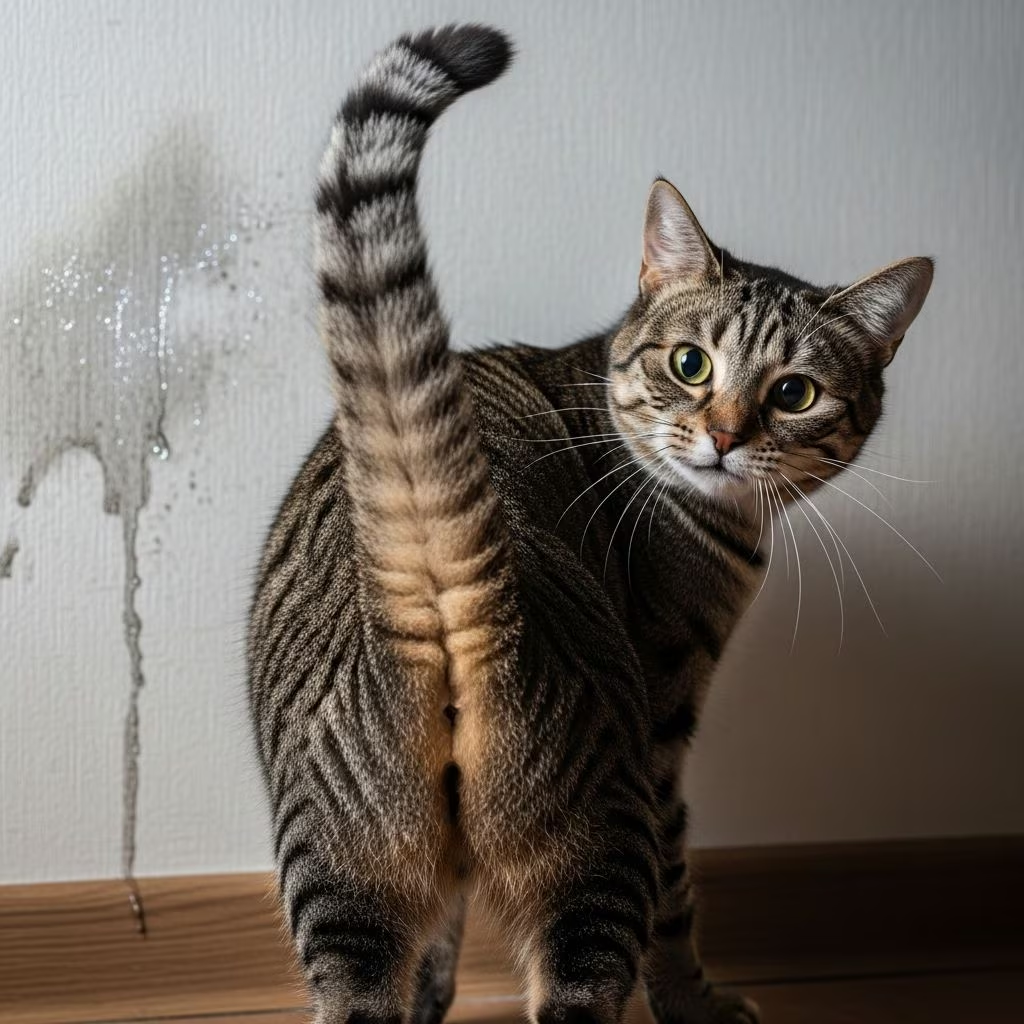
Understanding Cat Spraying and Marking Behavior
Cat spraying and marking behavior is one of the most challenging behavioral issues pet owners face. While these behaviors are completely normal for cats, they become problematic when they occur inside the home. Understanding the underlying causes and implementing appropriate solutions can help resolve these issues and restore harmony in your household.
What is Cat Spraying and Marking?
Spraying and marking are forms of communication that cats use to establish territory, convey information about reproductive status, and manage stress. When a cat sprays, they typically back up to a vertical surface with a quivering or vibrating tail and release a small amount of urine. This behavior differs from inappropriate urination, where a cat squats on a horizontal surface and releases a larger volume of urine.
It’s important to distinguish between these two behaviors, as treatment approaches differ significantly. Spraying is a communication behavior, while inappropriate urination often indicates either a medical problem or a litter box aversion issue.
Why Do Cats Spray and Mark?
Territorial Behavior
Cats are inherently territorial animals. They spray to mark their territory and communicate their presence to other cats in the household or neighborhood. This instinctive behavior allows cats to establish boundaries and maintain a sense of security within their environment. Territorial marking is particularly common in multi-cat households or when indoor cats see outdoor cats through windows.
Sexual Communication
Urine spraying is significantly more common in intact (unneutered) male cats. Intact males spray to attract mates and communicate their reproductive status to female cats. This behavior is driven by hormonal changes and the natural mating instinct. In female cats, spraying related to sexual behavior is less common but can still occur during estrus cycles.
Stress and Anxiety
Environmental stressors frequently trigger spraying behavior in cats. Changes in routine, new household members, or alterations to the home environment can cause anxiety that manifests as marking behavior. Common stressors include:
- Changes in daily routine or schedule
- Moving to a new home
- Introduction of new pets or family members
- Home renovations or furniture rearrangement
- Conflict with other household cats
- Proximity to outdoor cats
- Overstimulation from outdoor activities
Communication Within Multi-Cat Households
In homes with multiple cats, spraying often indicates territorial disputes or resource competition. If one cat feels another is encroaching on her space or attempting to claim shared resources, she may spray as a way to reassert ownership. This is why managing resources carefully in multi-cat homes is essential for preventing marking behavior.
Medical Causes of Spraying
Before assuming your cat’s spraying is purely behavioral, it’s crucial to rule out underlying medical conditions. Medical issues can contribute to stress and anxiety that manifest as spraying behavior. Common medical causes include:
- Urinary tract infections (UTIs)
- Bladder stones
- Kidney disease
- Diabetes
- Hyperthyroidism
- Metabolic disorders
- Neurological conditions
- Age-related incontinence
Even though cats who mark urine have not been shown to be more likely than non-marking cats to have abnormalities on urinalysis, medical conditions can still contribute to the underlying stress or anxiety that triggers marking behavior. A thorough veterinary examination including blood work and urinalysis is the first step in addressing any spraying problem.
Distinguishing Between Spraying and Inappropriate Urination
Correctly identifying whether your cat is spraying or experiencing inappropriate urination is essential for effective treatment. These behaviors have different causes and require different management strategies.
| Characteristic | Spraying | Inappropriate Urination |
|---|---|---|
| Surface Type | Vertical surfaces (walls, furniture) | Horizontal surfaces (floors, bedding) |
| Body Position | Backing up with quivering tail | Squatting position |
| Volume | Small amount of urine | Large amount of urine |
| Primary Cause | Communication and territorial marking | Medical issues or litter box problems |
| Odor Intensity | Strong, pungent smell | Regular urine odor |
Prevention and Management Strategies
Medical Evaluation
Always begin by scheduling a veterinary examination to rule out medical causes. Your veterinarian can perform necessary diagnostic tests and recommend appropriate treatment if health issues are identified. This step is non-negotiable in any comprehensive approach to managing spraying behavior.
Spaying and Neutering
Spaying and neutering is one of the most effective ways to reduce or eliminate spraying behavior. In male cats, neutering has a success rate of 90-95% in stopping spraying, especially when performed before sexual maturity. In female cats, only a small percentage continue to spray after spaying. For cats where spraying persists after surgery, discuss with your veterinarian the possibility of retained ovarian or testicular tissue.
Environmental Management
Creating a stress-free environment significantly reduces marking behavior. Implement the following environmental modifications:
- Provide multiple litter boxes in quiet, accessible locations throughout the home (aim for one box per cat plus one extra)
- Use enzymatic cleaners to thoroughly remove urine scent from previously marked areas
- Install pheromone diffusers that create a calming atmosphere
- Provide ample vertical space with cat trees and shelves for climbing and perching
- Create hiding spots and safe spaces where cats can retreat
- Block or cover windows where outdoor cats are visible
- Maintain consistent daily routines for feeding, play, and interaction
Managing Multiple Cat Households
If you have multiple cats and suspect resource competition is triggering spraying, create an “atmosphere of plenty” by placing food, water, and litter boxes in multiple areas throughout your home. This allows each cat to access necessary resources without entering another cat’s territory. Adding more vertical territory with cat trees and towers helps reduce tension from sharing living space.
Stress Reduction Techniques
Work to identify and reduce specific stressors in your cat’s environment. If a new person has entered the household or you’ve recently moved, provide your cat with extra attention, play time, and treats in areas where they’re spraying. Making these spaces positive associations can reduce the cat’s need to mark. Use pheromone products, calming supplements, and maintain predictable routines to minimize anxiety.
Cleaning Previously Marked Areas
Thoroughly clean all areas where your cat has sprayed using enzymatic cleaners specifically designed to break down urine. If your cat can smell previous marking, they’re likely to continue marking that location. After cleaning, make these areas positive spaces by playing with your cat, providing treats, or feeding them there, thus reducing the likelihood of future marking in that spot.
What NOT to Do
Never punish your cat for spraying behavior. Punishment will not reduce the behavior and will only create fear and increase stress, potentially making the problem worse. Avoid yelling, rubbing their nose in urine, or using physical punishment. These approaches damage your relationship with your cat and exacerbate the underlying anxiety driving the behavior.
Managing Outdoor Stressors
If outdoor cats are visible through windows or your indoor cat has outdoor access, take steps to minimize stimulation and territorial conflicts. Consider using motion-activated water sprinklers to deter neighborhood cats from your yard. Remove bird feeders and garbage that attract outdoor cats. Spread deterrent substances like orange or lemon peels, cayenne pepper, or coffee grounds around your property, as cats dislike these scents.
When to Seek Professional Help
If your cat’s spraying behavior persists despite implementing these strategies, consult with your veterinarian or a certified animal behaviorist. They can provide personalized guidance, recommend prescription anxiety medications if appropriate, and develop a comprehensive behavior modification plan tailored to your cat’s specific situation.
Patience and Persistence
Resolving cat spraying behavior requires patience and a combination of medical attention, environmental modifications, and stress reduction techniques. Expect behavioral changes to occur gradually over weeks to months rather than immediately. Consistency in implementation is crucial for success.
Frequently Asked Questions
Q: Why do cats spray on vertical surfaces instead of urinating normally?
A: Cats spray on vertical surfaces because it’s an instinctive form of communication. The height of the spray allows the scent to travel further and become more noticeable to other cats, effectively serving as a territorial marker and social signal that can be detected by multiple felines.
Q: What’s the difference between cat spraying and inappropriate urination?
A: Spraying involves backing up to a vertical surface with a quivering tail and releasing a small amount of urine, while inappropriate urination involves squatting on horizontal surfaces and releasing larger amounts. The causes also differ—spraying is usually behavioral communication, while inappropriate urination often indicates medical or litter box issues.
Q: How effective is spaying or neutering at stopping spraying?
A: Neutering is highly effective, especially in male cats, with success rates of 90-95% when performed before sexual maturity. In female cats, only a small percentage continue to spray after being spayed, though occasionally remnants of ovarian tissue can cause continued marking.
Q: Can medical issues cause my cat to spray?
A: Yes, medical conditions like urinary tract infections, bladder stones, kidney disease, diabetes, and hyperthyroidism can contribute to spraying by increasing stress and anxiety. This is why a veterinary examination with blood work and urinalysis is the essential first step in addressing spraying behavior.
Q: How many litter boxes should I have if I have multiple cats?
A: The general rule is to provide one litter box per cat plus one extra. In a two-cat household, you should have three boxes placed in different locations to reduce territorial disputes and resource competition.
Q: What should I do if I don’t know which cat is spraying?
A: Ask your veterinarian about using fluorescein dye, which can help identify which cat is marking. Once identified, you can develop a targeted management plan for that specific cat.
Q: Is punishment effective for stopping cat spraying?
A: No, punishment is counterproductive and will only increase your cat’s stress and fear, potentially worsening the spraying behavior. Focus instead on identifying the underlying cause and implementing positive environmental modifications.
References
- Understanding Why Cats Spray: Causes, Solutions, and Prevention — PetsCare. Accessed 2025. https://www.petscare.com/news/post/understanding-cat-spraying-causes-solutions
- Stop Cat Spraying in House — Best Friends Animal Society. Accessed 2025. https://bestfriends.org/pet-care-resources/why-my-cat-spraying-house-and-how-do-i-stop-it
- Cat Spraying: Why Cats Do It and How to Stop It — PetMD. Accessed 2025. https://www.petmd.com/cat/general-health/cat-spraying-why-cats-do-it-and-how-to-stop-it
- Stop your Cat Spraying or Soiling in the House — Blue Cross. Accessed 2025. https://www.bluecross.org.uk/advice/cat/behaviour-and-training/stop-your-cat-spraying-and-soiling-in-the-house
- Cat Spraying/Marking — Wisconsin Humane Society. Accessed 2025. https://www.wihumane.org/cat-spraying



