

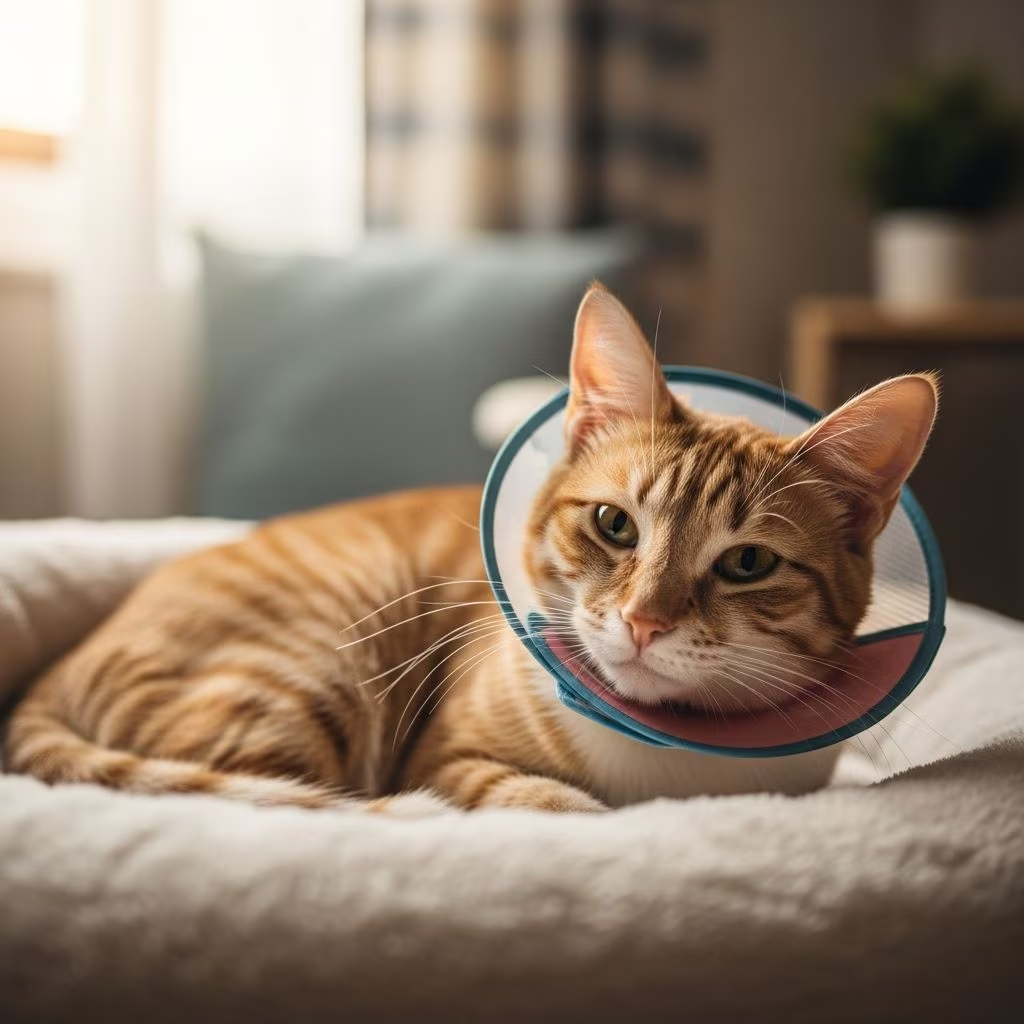
Spaying, the surgical removal of a female cat’s ovaries and uterus, profoundly influences her behavior by eliminating reproductive hormones. This procedure ends heat cycles, curbs mating-driven actions, and often fosters a more serene temperament, benefiting both the cat and her household.
Immediate Post-Operative Adjustments
Right after surgery, cats typically exhibit temporary lethargy due to anesthesia and incision discomfort. Expect sleepiness, disorientation, and reduced appetite for 24-48 hours as the body recovers. Owners should restrict activity, monitor the surgical site for infection signs like redness or discharge, and use an e-collar to prevent licking.
- Lethargy and Restlessness: Normal for the first few days; energy rebounds quickly.
- Mild Irritability: Pain may cause hissing or hiding; consult a vet if persistent.
- Appetite Suppression: Offer small, bland meals to encourage eating.
These short-term shifts resolve within a week, paving the way for long-term positives.
Hormonal Shifts and Their Lasting Impact
Spaying halts estrogen production, stabilizing hormones over weeks to months. This eliminates cyclical mood swings, leading to consistent behavior without the peaks of heat-induced frenzy.
| Pre-Spaying Behavior | Post-Spaying Change |
|---|---|
| Frequent yowling and howling | Complete cessation of vocal mating calls |
| Restless pacing and rolling | Calmer, more settled demeanor |
| Excessive rubbing on objects | Reduced scent-marking instincts |
| Territorial urine spraying | Significant drop or elimination |
Such changes create a quieter, more predictable home environment.
Decline in Aggressive Tendencies
Aggression linked to heat cycles, like hissing or biting, diminishes post-spay as hormonal triggers vanish. While female cats show less territoriality than males, spaying reduces fear-based or cycle-driven outbursts, promoting relaxation.
Not all aggression resolves; socialization issues or fear may persist, requiring behavioral training. Observable improvements include less fighting with other pets and friendlier human interactions, often noticeable after 2-4 weeks.
Enhanced Social Interactions and Household Harmony
Without reproductive urges, spayed cats integrate better into multi-pet homes. They become less territorial, more receptive to bonding, and less prone to conflicts. Roaming decreases, keeping indoor cats safer and reducing outdoor risks like traffic or fights.
- Better Multi-Cat Dynamics: Reduced growling and chasing among felines.
- Increased Affection: More consistent cuddling without distraction.
- Less Marking: Urine spraying drops, easing cleanup woes.
These shifts foster peaceful coexistence, especially in busy households.
Managing Weight Fluctuations
Spaying can slow metabolism, increasing obesity risk if diet and exercise aren’t adjusted. Cats may eat more due to absent hormonal appetite suppression and lower activity.
Preventive strategies include:
- Portion-controlled, high-protein food to maintain satiety.
- Interactive toys and climbing structures for daily play.
- Regular weigh-ins to catch gains early.
Studies affirm minimal impact with proactive management, preserving health.
Preserving Core Personality Traits
Spaying refines rather than redefines personality. Playfulness, curiosity, and affection endure, often amplified by focus freed from instincts. Unique quirks remain, ensuring your cat’s essence shines through.
Individual variation exists; some cats grow clingier from surgery stress, others unchanged. Monitor for anxiety and enrich environments with scratching posts and perches.
Health Advantages Beyond Behavior
Spaying slashes mammary cancer and pyometra risks, extending lifespan. It prevents unwanted litters, aiding population control. Behavioral perks compound these, making it a cornerstone of responsible ownership.
Practical Recovery and Monitoring Tips
Support healing with a quiet space, pain meds as prescribed, and staple checks. Gradually reintroduce play after 10-14 days. Track behavior weekly to note positives or consult vets for anomalies.
For persistent issues like aggression, professional behaviorists offer tailored plans.
Frequently Asked Questions
Will my cat’s personality change completely after spaying?
No, core traits persist; spaying removes hormone-driven extremes for a steadier version of her true self.
How long until heat behaviors stop?
Immediately for new cycles; full hormonal balance in 4-8 weeks.
Does spaying make cats lazy?
Activity may dip temporarily; combat with play to match pre-spay energy.
Can spayed cats still spray urine?
Rarely; most cease, but stress can trigger—address underlying causes.
Is spaying recommended for all females?
Yes, post first heat for maximal health benefits, barring medical contraindications.
Long-Term Care for Optimal Well-Being
Post-spay life thrives on balanced nutrition, mental stimulation, and vet checkups. Annual exams catch issues early, while puzzle feeders and window perches keep minds sharp. Celebrate the calmer companion spaying unlocks.
In multi-cat homes, gradual introductions post-recovery minimize tension. Outdoor access? Install secure enclosures to satisfy curiosity safely.
Owners report profound gratitude for spaying’s tranquility. One study notes 90% fewer nuisance behaviors, underscoring its value. (Note: Aggregated owner reports from veterinary insights.)
References
- Change in Cat Behavior After Spaying? | Expert Insights — The Cat Behavior Clinic. 2023. https://www.thecatbehaviorclinic.com/is-there-change-in-cat-behavior-after-spaying/
- Do female cats change after being spayed? — Paumanok Veterinary Hospital. 2024. https://www.paumanokvethospital.com/do-female-cats-change-after-being-spayed/
- Do Female Cats Change After Being Spayed? — Madison Animal Care. 2023. https://www.madisonanimalcare.com/do-female-cats-change-after-being-spayed
- Cat Spay/Neuter: What to Expect and Why It’s Important — Best Friends Animal Society. 2024. https://bestfriends.org/pet-care-resources/cat-spayneuter-what-expect-and-why-its-important
- How Does Spaying and Neutering Affect Cat Behavior — Cats.com. 2025. https://cats.com/spaying-neutering-affects-cat-behavior



