
Cat Bathing Guide: When and How to Clean Your Feline
Essential insights on feline hygiene and bathing schedules for optimal cat health
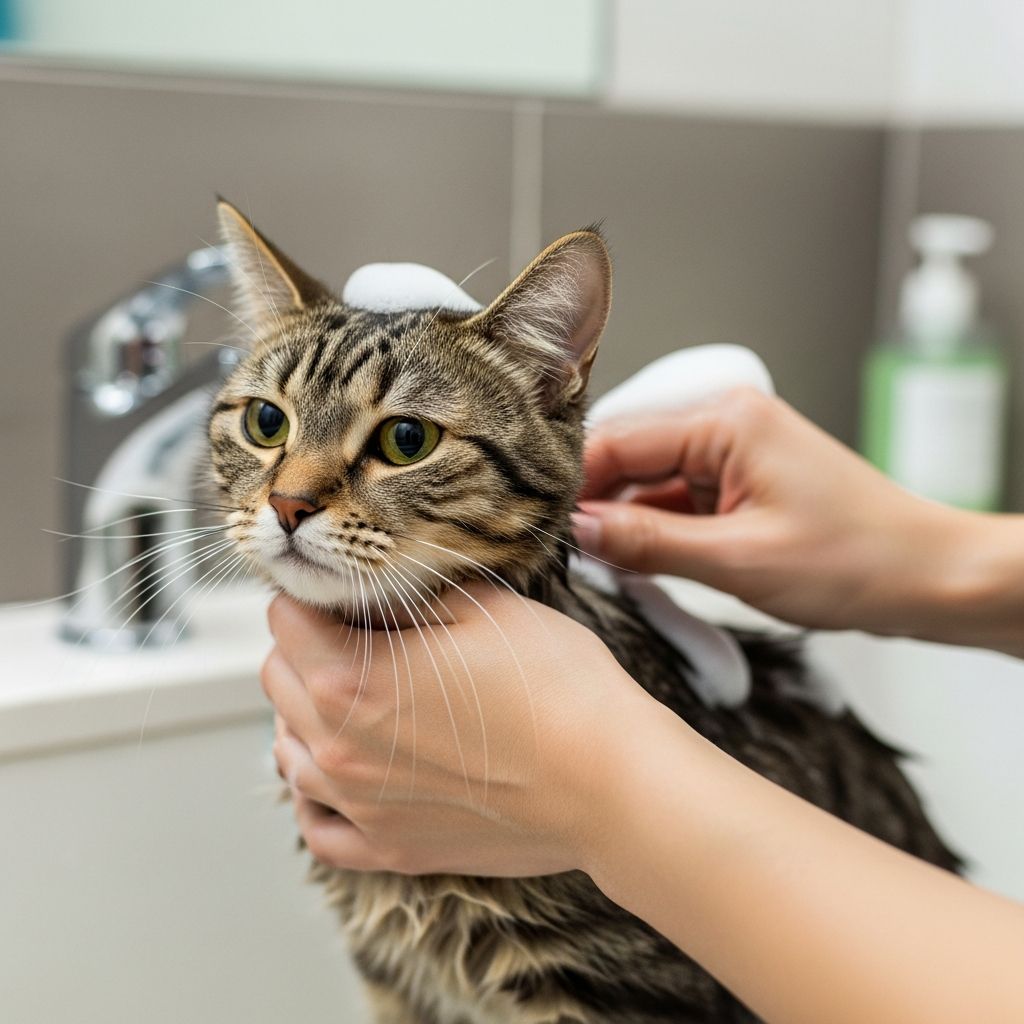
Cat ownership comes with numerous responsibilities, and understanding proper grooming practices is essential for maintaining your pet’s health and comfort. One common question among cat owners revolves around bathing: Do cats really need baths, and if so, how frequently should they receive them? While cats are renowned for their exceptional self-grooming abilities, spending up to 50% of their waking hours cleaning themselves, there are specific circumstances where professional bathing becomes necessary. Understanding when and why your cat needs a bath can help you maintain their coat health, prevent skin issues, and ensure their overall wellbeing.
The Natural Grooming Abilities of Cats
Cats possess remarkable instinctive grooming behaviors that have evolved over thousands of years. Their rough tongues are specially designed to remove loose hair, dirt particles, and debris from their fur. During grooming sessions, cats also distribute natural oils throughout their coat, which serves multiple purposes including waterproofing and maintaining skin health. This self-maintenance routine is so thorough that many indoor cats may never require a bath throughout their entire lives.
However, this natural grooming ability has limitations. Certain types of debris, such as thick mud, sticky sap, or stubborn substances, cannot be effectively removed by a cat’s tongue alone. Additionally, some cats—particularly senior cats, obese cats, or those with mobility issues—may struggle to reach certain areas of their body, making them unable to maintain proper hygiene independently. In these situations, human intervention through bathing becomes necessary.
Standard Bathing Frequency Recommendations
According to grooming professionals, most cats benefit from receiving a bath approximately once every 4 to 6 weeks. However, this recommendation is not universal and should be adjusted based on individual circumstances. Rather than adhering strictly to a schedule, many veterinarians suggest using visual and olfactory assessments to determine when your cat actually needs a bath. If your cat’s coat appears dull, matted, or greasy, or if an unpleasant odor emanates from their fur, these are clear indicators that bathing is warranted.
It’s important to avoid over-bathing your cat, as this can strip away natural oils from their skin and coat, leading to dryness, irritation, and discomfort. The frequency of bathing should be carefully balanced against your cat’s individual needs, considering their lifestyle, breed characteristics, and health status.
Coat Type and Breed Considerations
Different cat breeds have vastly different grooming requirements based on their coat structure and characteristics.
Short-Haired Cats
Short-haired cats generally require the least frequent bathing, typically needing a bath only every few months or even less frequently. Their short coats are naturally more resistant to matting and accumulating excess dirt. These cats benefit from weekly brushing, which helps remove loose hair and reduces the need for frequent bathing. Most short-haired cats can maintain their coat health through regular brushing and their own grooming efforts alone.
Long-Haired Breeds
Long-haired cats, such as Persians and Maine Coons, require more attention to coat maintenance. These breeds should receive baths approximately every couple of months to prevent their fur from becoming matted and overly greasy. Long-haired cats also benefit significantly from daily brushing, which helps prevent tangles and reduces matting between baths. Without regular bathing and brushing, long-haired cats are prone to developing painful mats that can trap moisture and lead to skin infections.
Hairless Breeds
Hairless cat breeds, particularly the Sphynx, have unique bathing requirements that differ significantly from other felines. Because these cats lack protective fur, oils naturally produced by their skin accumulate on the surface, leading to excessive greasiness. This buildup can create an unpleasant appearance and potentially lead to skin infections. Hairless breeds typically require a bath once weekly to every two weeks to manage oil accumulation and maintain skin health. Between baths, owners should wipe down their hairless cat’s skin with a damp cloth to remove oil buildup.
Environmental Factors and Lifestyle Impact
Indoor Cats
Cats that remain exclusively indoors face minimal exposure to dirt, mud, outdoor allergens, and other environmental contaminants. These cats generally require fewer baths, with a bathing schedule of once every 3 to 6 months typically being adequate for maintaining coat health. Their controlled environment means they stay naturally cleaner and accumulate less debris in their fur. Indoor cats benefit primarily from regular brushing rather than frequent bathing.
Outdoor Cats
Cats with outdoor access experience greater exposure to dirt, mud, insects, and various outdoor substances. These cats may require bathing once every month or two, depending on their outdoor activities and how frequently they become visibly soiled. Outdoor cats are also more susceptible to parasites and may need more frequent bathing if they encounter fleas, ticks, or other external parasites. Owners should consult with their veterinarian about appropriate bathing frequency if their outdoor cat develops parasite-related issues.
Health Conditions and Special Circumstances
Skin Conditions and Allergies
Cats with underlying skin conditions, allergies, or dermatological issues may benefit from regular therapeutic baths using medicated shampoos prescribed by a veterinarian. These specialized bathing routines can help relieve itching, manage fungal infections, and address other skin-related concerns. The bathing frequency for these cats should always be determined by veterinary guidance rather than general recommendations.
Age-Related Grooming Challenges
Senior cats and obese cats often struggle to groom themselves effectively due to reduced mobility or difficulty reaching certain body areas. These cats frequently develop oily patches, matted fur, and areas of poor hygiene that require occasional baths to maintain skin health. Regular monitoring of senior and overweight cats’ coat condition is essential, and bathing may become necessary every few months or as needed based on their individual condition.
Exposure to Harmful Substances
Perhaps the most clear-cut situation requiring immediate bathing occurs when a cat contacts potentially harmful substances. If your cat becomes contaminated with gasoline, antifreeze, paint, motor oil, or other toxic materials, immediate bathing is essential to prevent ingestion or skin damage. Similarly, if your cat is sprayed by a skunk or encounters other pungent substances, bathing becomes necessary for your household’s comfort and your cat’s wellbeing.
Comparison of Bathing Needs by Cat Category
| Cat Category | Recommended Bathing Frequency | Primary Consideration |
|---|---|---|
| Short-haired indoor cats | Every 3-6 months | Minimal dirt exposure and natural grooming ability |
| Long-haired indoor cats | Every 2-3 months | Prevention of matting and greasiness |
| Short-haired outdoor cats | Every 4-8 weeks | Increased dirt and debris exposure |
| Long-haired outdoor cats | Every 4-6 weeks | Combined risks of matting and outdoor contamination |
| Hairless breeds | Weekly to bi-weekly | Oil accumulation on exposed skin |
| Senior or obese cats | As needed, potentially every 2-3 months | Reduced self-grooming ability |
The Importance of Regular Brushing
One of the most effective ways to extend the time between baths is implementing a consistent brushing routine. Regular brushing removes loose hair, prevents matting, and distributes natural oils throughout the coat. The frequency of brushing should match your cat’s coat type: short-haired cats benefit from weekly brushing, while long-haired breeds require daily brushing to prevent tangles and mats. Even hairless cats, though they don’t have fur to brush, benefit from regular gentle wiping with a damp cloth to manage skin oil buildup.
By maintaining a proper brushing schedule, cat owners can significantly reduce the necessity for frequent bathing while still maintaining optimal coat and skin health. This approach respects your cat’s natural behaviors and preferences while addressing legitimate grooming needs.
Making Bath Time Less Stressful
For cat owners who find bathing necessary, making the experience as calm and positive as possible is essential. Consider these helpful approaches:
- Prepare your bathing area in advance with all necessary supplies within reach, including towels, shampoo, and a non-slip mat
- Use lukewarm water rather than hot water, as extreme temperatures can shock and stress your cat
- Speak in calm, reassuring tones throughout the bathing process
- Wet your cat’s body gradually rather than immediately immersing them
- Use a cup or handheld sprayer to apply water rather than submerging your cat entirely
- Apply shampoo gently and rinse thoroughly to prevent residue buildup
- Have towels ready for immediate drying to prevent chilling
- Consider bathing your cat during times when they are naturally calmer or sleepier
Consulting Your Veterinarian
When uncertainty exists about your cat’s bathing needs, your veterinarian is the best resource for personalized guidance. Veterinarians can assess your cat’s individual coat condition, skin health, lifestyle factors, and any underlying health conditions to provide specific recommendations. This professional consultation is particularly important if your cat has skin conditions, allergies, or other health concerns that might influence bathing frequency.
Recognizing When Immediate Bathing Is Necessary
Certain situations make bathing non-negotiable, regardless of your cat’s typical bathing schedule. These critical circumstances include:
- Contact with toxic substances like gasoline, antifreeze, or paint
- Exposure to skunk spray or other strong odorous substances
- Parasitic infestation requiring medicated bathing treatments
- Excessive visible dirt or debris that cannot be removed through grooming
- Signs of skin infections or unusual skin conditions
- New rescue cats that are exceptionally filthy or flea-infested
Conclusion: Balancing Nature and Necessity
The question of whether cats need baths doesn’t have a simple yes or no answer. While cats are naturally equipped with impressive self-grooming abilities, certain circumstances and individual factors make bathing beneficial or necessary. By understanding your cat’s specific needs based on breed, lifestyle, age, and health status, you can develop an appropriate bathing routine that maintains their coat and skin health while respecting their natural preferences. Regular brushing, visual assessments of coat condition, and consultation with your veterinarian will guide you toward the optimal grooming approach for your individual feline companion.
Frequently Asked Questions
How can I tell if my cat needs a bath?
Visual and olfactory assessments are the most reliable methods. If your cat’s coat appears dull, matted, or greasy, or if an unpleasant odor is present, bathing is likely warranted. A healthy coat should appear shiny and smooth with no visible dirt or debris.
Can bathing my cat too frequently cause problems?
Yes, over-bathing can strip natural oils from your cat’s skin and coat, leading to dryness, irritation, and discomfort. Most cats should not be bathed more frequently than every 4 weeks unless specifically recommended by a veterinarian for health reasons.
Are hairless cats different from other breeds regarding bathing?
Yes, hairless breeds like the Sphynx require significantly more frequent bathing—typically weekly to bi-weekly—because they lack protective fur and produce excess skin oils that accumulate on their exposed skin.
What should I do if my cat gets covered in mud or dirt?
If your cat becomes excessively soiled with mud or other debris that cannot be removed through normal grooming, bathing becomes necessary. Prepare your bathing area in advance and approach the process calmly to minimize stress for both you and your cat.
Is brushing a good alternative to bathing?
Regular brushing is an excellent complement to bathing and can significantly reduce the need for frequent baths. Brushing removes loose hair, prevents matting, and helps distribute natural oils, supporting your cat’s natural grooming efforts.
References
- Do Cats Need Baths? And If So, How Often? — Four Paws. Accessed February 2026. https://www.fourpaws.com/pets-101/cat-corner/do-cats-need-baths
- How Often Should You Bathe a Cat: A Complete Guide — Vetericyn. Accessed February 2026. https://vetericyn.com/blogs/vetericyn/how-often-should-you-bathe-a-cat
- How Often Should You Bathe a Cat? A Comprehensive Guide for Cat Owners — Birds Be Safe. Accessed February 2026. https://www.birdsbesafe.com/blogs/news/how-often-should-you-bathe-a-cat-a-comprehensive-guide-for-cat-owners
- How Often Should I Bathe My Cat? — Broad Ripple Animal Clinic. Accessed February 2026. https://bracpet.com/blog/how-often-should-i-bathe-my-cat/
- How to Bathe a Cat & How Often You Should Do It — Falls Road Veterinary Hospital. March 15, 2024. https://www.fallsroad.com/site/tips-resources-blog-baltimore-vet/2024/03/15/how-bathe-cat
- Bathing Cats: Everything You Need to Know — Purina UK. Accessed February 2026. https://www.purina.co.uk/articles/cats/health/daily-care/do-cats-need-baths
Similar Articles








Read full bio of Sneha Tete




