

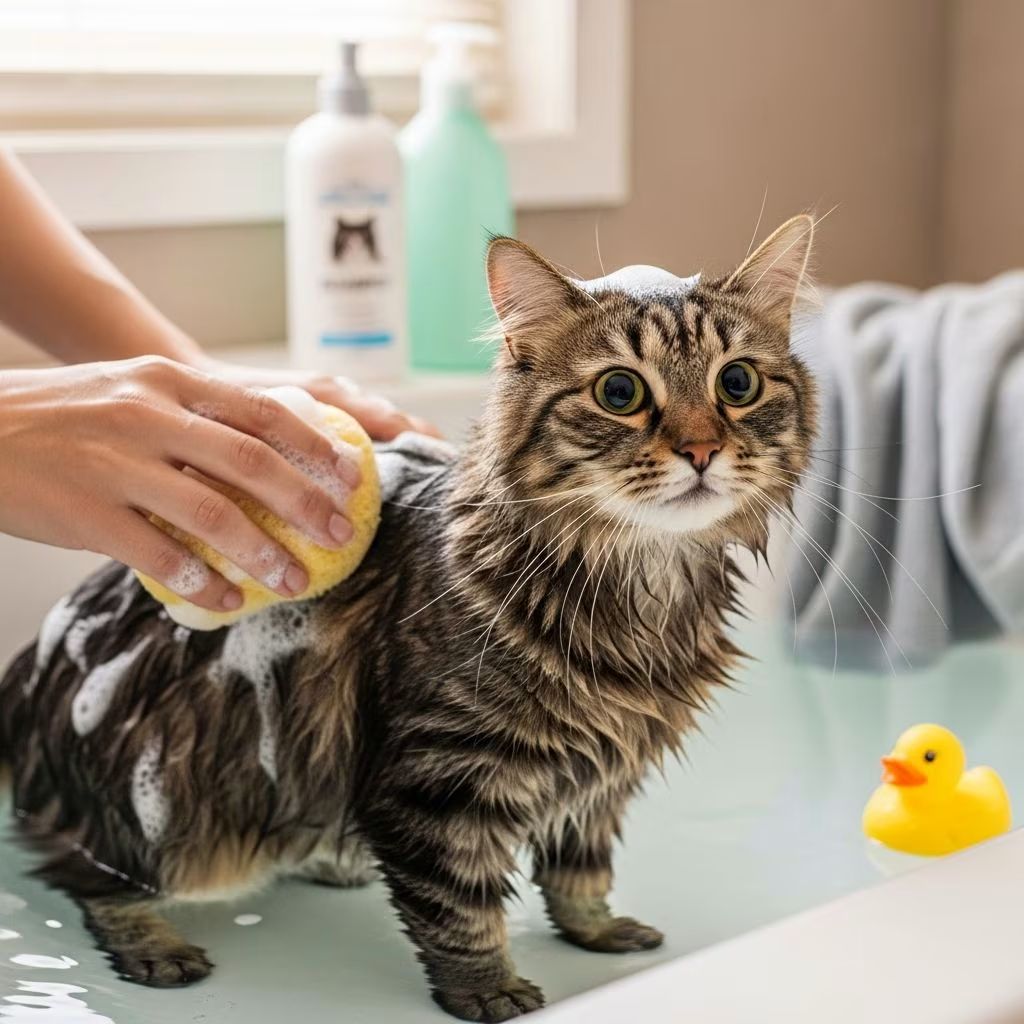
Cats possess remarkable self-grooming abilities, making frequent baths unnecessary for most. However, specific circumstances like coat type, health issues, or environmental factors may require occasional bathing to maintain skin and fur health.
Understanding Feline Self-Grooming Mechanisms
Cats’ tongues feature tiny, curved barbs that act like natural brushes, distributing saliva and oils evenly across their coat during licking. This process not only cleans but also detangles fur and promotes skin circulation. Such efficiency means healthy cats rarely need human intervention, reducing hairballs and shedding through consistent self-maintenance.
Despite this, baths provide deeper cleaning beyond tongue reach, especially for accumulated dirt or medical treatments. Over-bathing risks stripping essential oils, leading to dry skin, so timing is crucial.
Determining Ideal Bathing Intervals by Coat Characteristics
Bathing frequency varies primarily with fur length and type. Here’s a breakdown:
- Short-Haired Cats: These breeds, like domestic shorthairs, manage well with baths every 3-6 months or as needed after messes. Their sleek coats resist matting.
- Long-Haired Cats: Persians, Maine Coons, and similar breeds benefit from baths every 4-8 weeks to prevent tangles and mats that self-grooming can’t handle.
- Hairless Breeds: Sphynx cats produce excess oils without fur to absorb them, necessitating weekly or bi-weekly baths to avoid greasy buildup and infections.
| Coat Type | Recommended Frequency | Key Reasons |
|---|---|---|
| Short-Haired | Every 3-6 months | Easy self-maintenance, low matting risk |
| Long-Haired | Every 4-8 weeks | Prevents mats, reduces shedding |
| Hairless | Weekly to bi-weekly | Oil removal, skin infection prevention |
Influences of Lifestyle and Habitat on Bathing Needs
Indoor cats encounter fewer contaminants, supporting infrequent baths—perhaps quarterly for short-haired ones. Outdoor adventurers, exposed to mud, oils, or toxins like antifreeze, demand prompt baths after soiling, potentially monthly.
Obese or elderly cats often struggle with flexibility, impairing grooming. Regular baths every 1-2 months help these felines stay clean and comfortable. Multi-pet homes or dusty environments may also increase frequency to control allergens and parasites.
Health Conditions Necessitating Baths
Medical issues often dictate bathing schedules. Seborrhea, characterized by flaky, itchy, red skin, responds to soothing baths. Veterinarian-prescribed medicated shampoos treat flea allergies, ringworm, or allergies effectively.
- Flea infestations: Baths remove eggs and soothe irritation.
- Skin allergies: Medicated options reduce inflammation.
- Infections like ringworm: Antifungal shampoos as directed.
Always consult a vet before medicated baths to avoid aggravating conditions. For genetic oil overproduction in hairless breeds, routine washing prevents secondary infections.
Essential Supplies for Effective Cat Bathing
Prepare with cat-specific products to minimize stress:
- Shampoo: Mild, oatmeal-based, or vet-recommended; never use human formulas.
- Tools: Non-slip mat, gentle sprayer, towels, brush.
- Extras: Warm water (lukewarm), treats for positive reinforcement.
Avoid eyes and ears; focus on body. Test water temperature on your wrist for safety.
Step-by-Step Instructions for Stress-Free Baths
- Prepare Space: Use a sink or tub with warm water running softly.
- Brush First: Remove loose fur to ease washing.
- Wet Gradually: Use a cup or sprayer, avoiding face.
- Lather Gently: Massage shampoo in circular motions.
- Rinse Thoroughly: Prevent residue irritation.
- Dry Carefully: Towel-dry, use low-heat blow dryer if tolerated.
- Reward: Offer treats and play to build positive associations.
Start young for kittens to acclimate them. For resistant adults, consider professional groomers.
Alternatives to Full Water Baths
Not all cats tolerate water. Dry shampoos, wipes, or waterless foams clean effectively between baths, ideal for short-haired or sensitive felines. Brushing daily—weekly for short coats, daily for long—removes debris and distributes oils.
For hairless cats, damp cloths wipe oils mid-week. Spot-clean paws or soiled areas promptly without full immersion.
Recognizing When Baths Are Urgent
Bathe immediately if your cat contacts toxins like motor oil, paint, or gasoline, as ingestion during grooming poses risks. Signs of need include greasy fur, persistent odor, matted clumps, or excessive scratching.
Potential Risks and Prevention Strategies
Excessive bathing dries skin; limit to recommendations. Stress from baths can strain bonds, so gradual desensitization helps. Monitor for post-bath issues like chills or irritation.
Integrating Bathing into Broader Grooming Routines
Bathing complements brushing, nail trims, and dental care for holistic hygiene. Weekly sessions detect lumps or parasites early. Long-haired cats thrive with deshedding tools; hairless ones need gentle exfoliation.
FAQs on Cat Bathing Practices
Can I bathe my kitten?
Wait until 8-12 weeks; use kitten-safe products sparingly.
What if my cat hates water?
Try dry methods or groomers; positive reinforcement over time.
Is bathing necessary for flea control?
Helpful with treatments, but not a standalone solution.
How do I know if shampoo is safe?
Choose cat-formulated; vet approval for medicated.
Does bathing reduce hairballs?
Yes, by minimizing loose fur intake.
Professional Grooming Options
For challenging cases, vets or groomers offer safe, equipped services. Ideal for long-haired or anxious cats, ensuring health-focused care.
References
- How to Bathe a Cat & How Often You Should Do It — Cat and Cow Veterinary Clinic. 2022-10-30. https://www.catandcowvet.com/site/blog/2022/10/30/how-often-bathe-cat
- How Often Should Cats be Bathed — Crossroads Veterinary Hospital. 2022-06-25. https://www.crossroadsvh.com/site/blog/2022/06/25/cat-bath
- When You Should—And Shouldn’t—Give Your Cat A Bath — Texas A&M University College of Veterinary Medicine & Biomedical Sciences. N/A. https://vetmed.tamu.edu/news/pet-talk/cat-baths/
- Bathing Cats: How Often You Should Do It — Summerville Animal Hospital. 2023-04-15. https://www.summervilleanimalhospital.org/site/blog/2023/04/15/bathing-cats
- How Often Should You Bathe a Cat? A Comprehensive Guide for Cat Owners — Birdsbesafe. N/A. https://www.birdsbesafe.com/blogs/news/how-often-should-you-bathe-a-cat-a-comprehensive-guide-for-cat-owners
- Why Grooming Your Cat is Essential for Their Health and Happiness — Morgan Veterinary Practice. N/A. https://www.morganveterinarypractice.com/blog/why-grooming-your-cat-is-essential-for-their-health-and-happiness



