

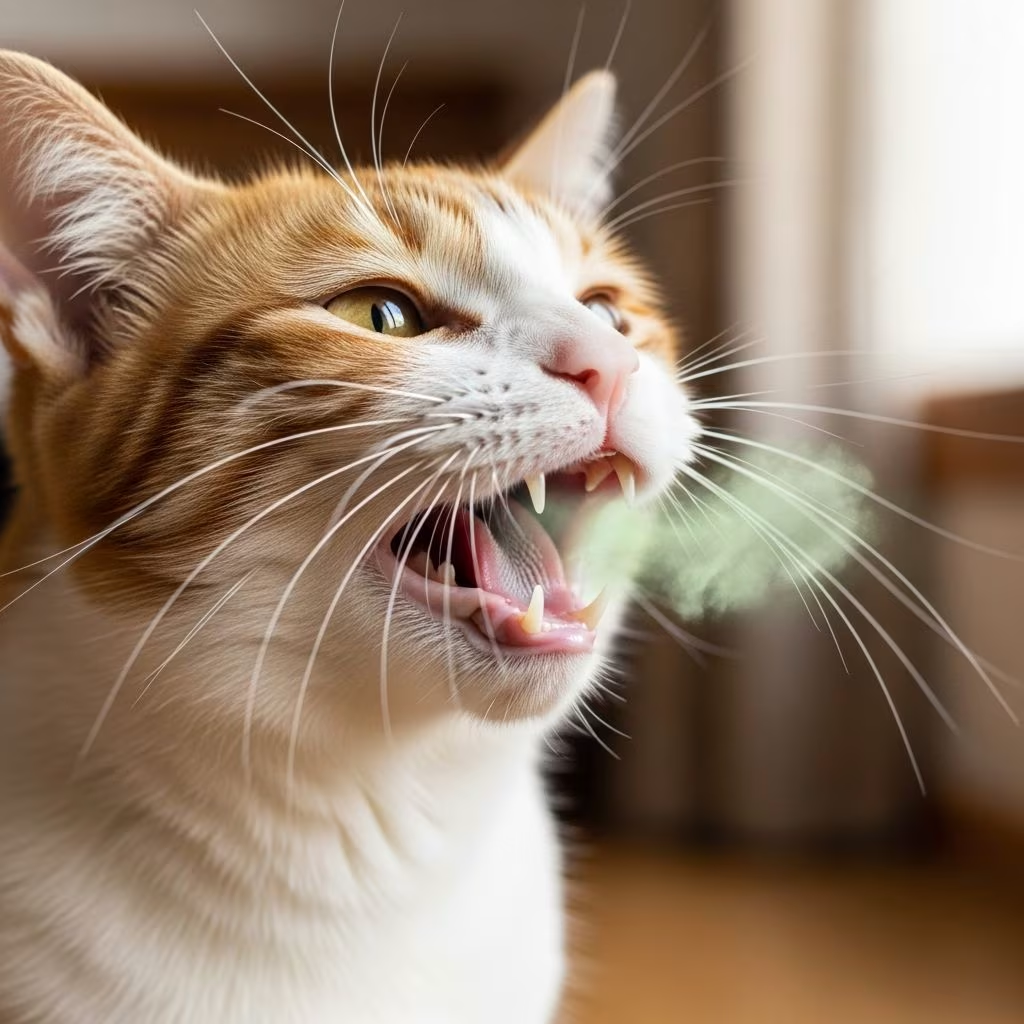
Bad breath in cats, medically termed halitosis, often signals underlying health problems rather than just a dietary quirk. While occasional mild odors might stem from food, persistent foul smells usually point to dental disease or more serious conditions like organ failure. Addressing it promptly improves your cat’s quality of life and prevents complications.
Unmasking the Primary Culprits Behind Feline Mouth Odors
The mouth serves as a hotspot for bacterial activity in cats, where plaque and tartar accumulation drives most halitosis cases. Bacteria thrive on food debris and dead cells, releasing volatile sulfur compounds that produce the characteristic stench.
- Periodontal Disease Dominance: Over 70% of cats over age three suffer from gum issues. Plaque hardens into tartar within days, irritating gums and fostering destructive bacteria that erode tooth supports.
- Dietary Influences: Soft foods leave residues that bacteria exploit, worsening buildup compared to crunchier options that naturally scrub teeth.
- Trauma or Foreign Bodies: Sticks or bones lodged in gums create infection pockets, amplifying odors locally.
Beyond oral sources, systemic illnesses manifest through breath. For instance, kidney disease causes uremic odors as toxins accumulate in blood and exhale via lungs.
Systemic Diseases Linked to Foul Feline Breath
Halitosis can be an early warning for organ dysfunction. Veterinary exams reveal these connections through bloodwork and imaging.
| Condition | Breath Characteristics | Mechanism |
|---|---|---|
| Kidney Disease | Ammonia-like | Waste buildup in blood exhaled through lungs |
| Diabetes | Sweet or fruity | Ketone production from fat breakdown |
| Liver Failure | Musty or fishy | Impaired toxin processing leads to volatile emissions |
| Respiratory Infections | Pus-like | Bacterial overgrowth in sinuses or throat |
Stomatitis, a severe gum inflammation, often ties to immune overreactions, causing chronic pain and bacterial hotspots. Tumors or abscesses add necrotic smells from tissue death.
Spotting Warning Signs Early
Don’t ignore subtle cues; they escalate quickly in cats, who hide discomfort well. Monitor for these indicators during play or feeding.
- Red, swollen, or bleeding gums signaling gingivitis.
- Yellow-brown tartar on teeth.
- Excessive drooling or pawing at mouth.
- Appetite loss or selective eating.
- Behavioral shifts like withdrawal or aggression.
A thorough home check involves gently lifting lips to inspect teeth and gums. If tartar covers more than the outer enamel or gums recede, professional intervention is urgent.
Diagnostic Approaches in Veterinary Practice
Vets start with a full oral exam under sedation for hidden issues like root abscesses. Diagnostics include:
- X-rays to detect bone loss or fractures.
- Blood panels for kidney, liver, and glucose levels.
- Cultures from swabs for infection typing.
Early detection via bi-annual dental checks prevents progression, as recommended by experts.
Treatment Strategies Tailored to the Cause
Resolving halitosis demands targeting the root. For dental primacy, professional cleanings under anesthesia scrape tartar above and below gums using ultrasonic tools.
Severe cases may require extractions to halt infection spread. Antibiotics and pain meds support recovery, while systemic issues need specialized care like insulin for diabetes or fluids for kidneys.
- Post-Cleaning Care: Soft foods and rinses reduce re-accumulation.
- Ongoing Meds: Anti-inflammatories for stomatitis.
Success rates soar with compliance; many cats regain normal breath within weeks.
Daily Home Care Routines for Lasting Freshness
Prevention beats cure. Integrate these habits post-vet treatment:
- Brushing: Use cat-specific toothpaste (poultry-flavored, enzymatic) on a soft brush or finger mitt, 2-3 times weekly. Start slow to build tolerance.
- Dental Diets and Treats: VOHC-approved products mechanically reduce plaque.
- Additives: Water or food supplements with zinc or enzymes bind odors and curb bacteria.
- Wipe Downs: Daily gauze wipes with dental solution for non-brushers.
Zinc’s affinity for sulfur neutralizes key odorants, while prebiotics balance oral microbiomes.
Nutrition’s Role in Oral Wellness
Diet shapes dental destiny. Kibble with fiber scrubs teeth, unlike wet food’s residue-prone texture. Omega-3s reduce gum inflammation.
- Avoid sticky treats that cling.
- Opt for clinically tested dental formulas.
Hydration via fountains encourages rinsing, minimizing stagnation.
Long-Term Monitoring and Professional Upkeep
Schedule vet dentals every 6-12 months, especially for seniors. Track breath weekly; changes warrant visits.
Home logs of symptoms aid pattern spotting, ensuring timely tweaks.
Frequently Asked Questions
Is bad breath normal in cats?
No, healthy cats have neutral breath. Persistent odor flags issues.
Can I fix my cat’s bad breath without a vet?
Mild cases improve with home care, but diagnostics are essential for causes beyond plaque.
What foods worsen cat halitosis?
Fish-heavy or soft diets promote bacteria; choose balanced, dental-supportive kibble.
How often should I brush my cat’s teeth?
Aim for daily ideally, minimum 3 times weekly for efficacy.
Does kitten breath turn bad?
Kittens rarely have halitosis; early onset suggests congenital problems.
Wrapping Up: Proactive Steps for Fresh Feline Breath
Halitosis undermines cat health silently. Vigilance, routine care, and vet partnerships transform foul mouths into fresh ones, boosting longevity and joy. Implement these today for a purring, pleasant companion.
References
- Halitosis in Cats – VCA Animal Hospitals — VCA Hospitals. 2024. https://vcahospitals.com/know-your-pet/halitosis-in-cats
- Understanding Bad Breath in Cats: Causes, Treatment, and Prevention — AnimalBiome. 2024. https://www.animalbiome.com/blogs/pet-health/understanding-bad-breath-in-cats-causes-treatment-and-prevention
- Why Does My Cat’s Breath Stink? — PetNest Animal Hospital. 2024-08-20. https://petnestanimalhospital.com/2024/08/20/why-does-my-cats-breath-stink/
- Bad Breath in Cats — Lane Veterinary. 2024. https://lanevet.com/blog/bad-breath-in-cats/
- Why Does My Cat’s Breath Smell Bad? — Steinway Court Vet. 2023-12-15. https://www.steinwaycourtvet.com/site/blog/2023/12/15/cats-breath-smell-bad
- Bad Breath: Sign of Illness? — Cornell University College of Veterinary Medicine. 2024. https://www.vet.cornell.edu/departments-centers-and-institutes/cornell-feline-health-center/health-information/feline-health-topics/bad-breath-sign-illness



