

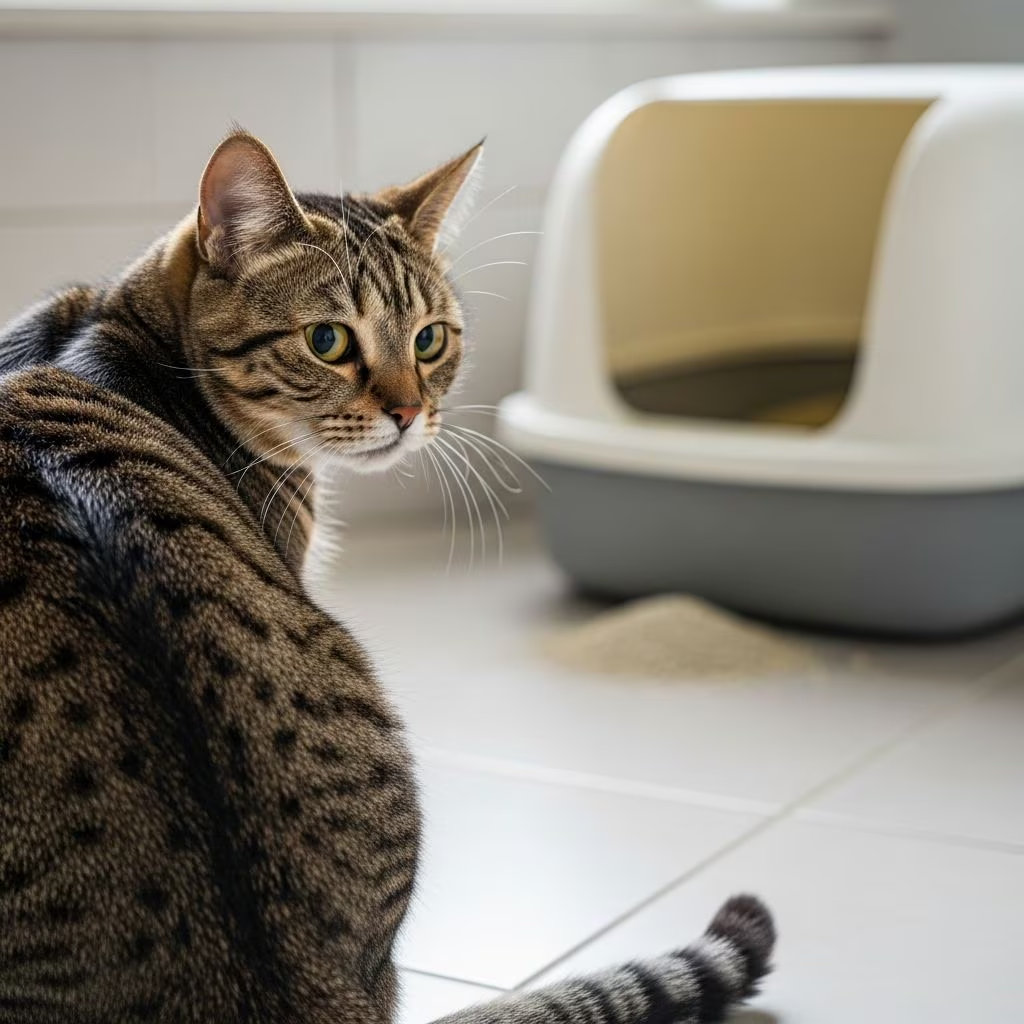
Your cat’s sudden refusal to use the litter box can turn a tidy home into a frustrating mess. This behavior, known as inappropriate elimination, affects many cat owners and often stems from underlying health, environmental, or behavioral factors. Understanding the root cause is key to resolution, allowing you to restore normal habits without punishment, which only worsens stress.
Rule Out Medical Conditions First
Health problems top the list of reasons cats avoid their litter box. Painful conditions make elimination uncomfortable, leading felines to seek alternative spots. Common culprits include urinary tract infections (UTIs), feline interstitial cystitis, bladder or kidney stones, and constipation. These issues cause frequent attempts to urinate with little output, straining, or blood in urine, prompting cats to associate the box with discomfort.
For senior cats, arthritis or mobility decline exacerbates this. Aging joints hinder entry into high-sided boxes, while kidney disease reduces litter box visits. Appetite loss, lethargy, or vocalizing during elimination signal urgency.
Watch for These Symptoms
- Straining or crying in the box
- Blood in urine or feces
- Frequent small puddles outside the box
- Licking genitals excessively
- Reduced appetite or hiding
Action Step: Schedule a vet visit immediately. A urinalysis and exam can diagnose issues early. Treatment like antibiotics for UTIs or diet changes for stones often resolves the problem swiftly. Never assume it’s behavioral until medically cleared.
Optimize Litter Box Setup for Success
Even healthy cats shun poorly designed or placed boxes. Size matters: kittens outgrow small trays, and overweight adults need room to maneuver comfortably. Low sides aid seniors or those with mobility woes; consider ramps for accessibility.
Litter type influences preference too. Sudden switches from clumping to non-clumping or scented varieties disrupt routines. Cats favor fine, unscented clay litters mimicking soil, but tastes vary.
| Type | Pros | Cons | Best For |
|---|---|---|---|
| Open Tray | Easy access, spacious | Tracks litter | Seniors, multi-cat homes |
| Hooded | Privacy, odor control | Feels confined | Shy cats |
| Automatic | Self-cleaning | Noisy, expensive | Busy owners |
| Low-Entry | Mobility-friendly | Lower sides spill | Arthritic cats |
Solutions: Upgrade to larger boxes (1.5x cat length). Mix new litter gradually (25% new weekly). Test unscented options or attractants like herbal sprays.
Maintain Impeccable Cleanliness Standards
Cats are fastidious; soiled boxes repel them. In multi-cat homes, waste buildup creates physical barriers over odor. Scoop daily, dump and wash weekly with mild soap—avoid harsh chemicals lingering scents.
Enzyme cleaners tackle accidents outside the box, neutralizing proteins cats detect. Uncleaned spots become preferred elimination sites.
Pro Tip: Follow the “n+1” rule: one box per cat plus one extra, spread across floors to prevent territorial guarding.
Address Stress and Household Disruptions
Environmental changes trigger anxiety, disrupting litter habits. Moves, new pets, babies, or routine shifts unsettle cats, manifesting as box avoidance alongside hiding or appetite dips.
Multi-cat tensions arise from bullying or box monopolization, even without direct fights. Signs include puffed tails, staring, or swatting.
Common Stress Triggers
- New family members or pets
- Home renovations or moves
- Schedule changes (e.g., owner returns to office)
- Loud noises or visitors
- Loss of a companion animal/person
Remedies: Provide safe retreats with food, water, and boxes. Pheromone diffusers (Feliway) mimic calming scents. Increase playtime for confidence. Gradually introduce changes.
Strategic Placement for Comfort and Privacy
Noisy laundry rooms or high-traffic zones deter use; cats crave quiet, low-obstacle spots. Negative past events (e.g., startling dryer) create aversions.
Ideal locations: quiet corners, separate floors for multi-cats, away from food. Ensure 24/7 access—no closed doors.
Fix: Relocate gradually (feet daily). Add multiple boxes if needed.
Handling Multi-Cat Household Challenges
With two cats, three boxes prevent crowding. Space them to avoid one cat dominating. Watch for bullying: the subordinate avoids shared boxes.
Solutions include vertical space (cat trees) to reduce tension and distinct territories with personal boxes.
Retraining After an Accident
Cats form substrate preferences post-accident (e.g., rugs over litter). Block preferred spots with foil, sticky tape, or motion lights. Confine to a small room with box during retraining, rewarding use.
Use positive reinforcement: treats near the box post-use. Avoid scolding—fear amplifies issues.
Special Considerations for Kittens and Seniors
Kittens learn from mothers; orphans need consistent training. Place near sleeping/eating initially.
Seniors benefit from low-entry boxes, softer litters, and frequent checks. Vet for cognitive decline mimicking dementia.
FAQs: Common Litter Box Questions
Why does my cat pee on the bed but poop in the box?
Often urinary-specific pain or stress; vet check essential. Bed softness mimics preferred substrate.
How often should I clean the litter box?
Scoop daily, full clean weekly. More frequent in multi-cat setups.
Will declawing cause litter box issues?
Pain post-surgery can; use soft litters and vet pain relief.
Can diet fix elimination problems?
Yes, for crystals/stones—vet-prescribed urinary diets help.
What if solutions don’t work?
Consult a veterinary behaviorist for complex cases.
Patience and consistency resolve most cases. Track progress in a journal noting diet, cleanings, and incidents to pinpoint patterns.
References
- Cat Not Using the Litter Box? Causes & Solutions — Purina. 2023. https://www.purina.com/articles/cat/behavior/litter/why-cat-not-using-litter-box
- Why Is My Cat Not Using The Litter Box — Litter-Robot (YouTube, Dr. Anna Foster). 2025-07-01. https://www.youtube.com/watch?v=976plMDLRC4
- Cat Not Using the Litter Box? Here’s Why (And What You Can Do) — Chewy. 2024. https://www.chewy.com/education/cat/training-and-behavior/cat-stopped-using-litter-box
- Solving Litterbox Issues — Wisconsin Humane Society. 2023. https://www.wihumane.org/behavior/ask-the-experts/cat-behavior/solving-litterbox-problems
- Litter Box Problems — ASPCA. 2024. https://www.aspca.org/pet-care/cat-care/common-cat-behavior-issues/litter-box-problems
- Not Using the Litter Box — Cat Friendly Homes. 2023. https://catfriendly.com/signs-symptoms/not-use-the-litter-box/
- Preventing and solving litter box problems — Animal Humane Society. 2024. https://www.animalhumanesociety.org/resource/preventing-and-solving-litter-box-problems



